Domestic Violence Color: Purple Ribbon Meaning and Awareness Month Ideas
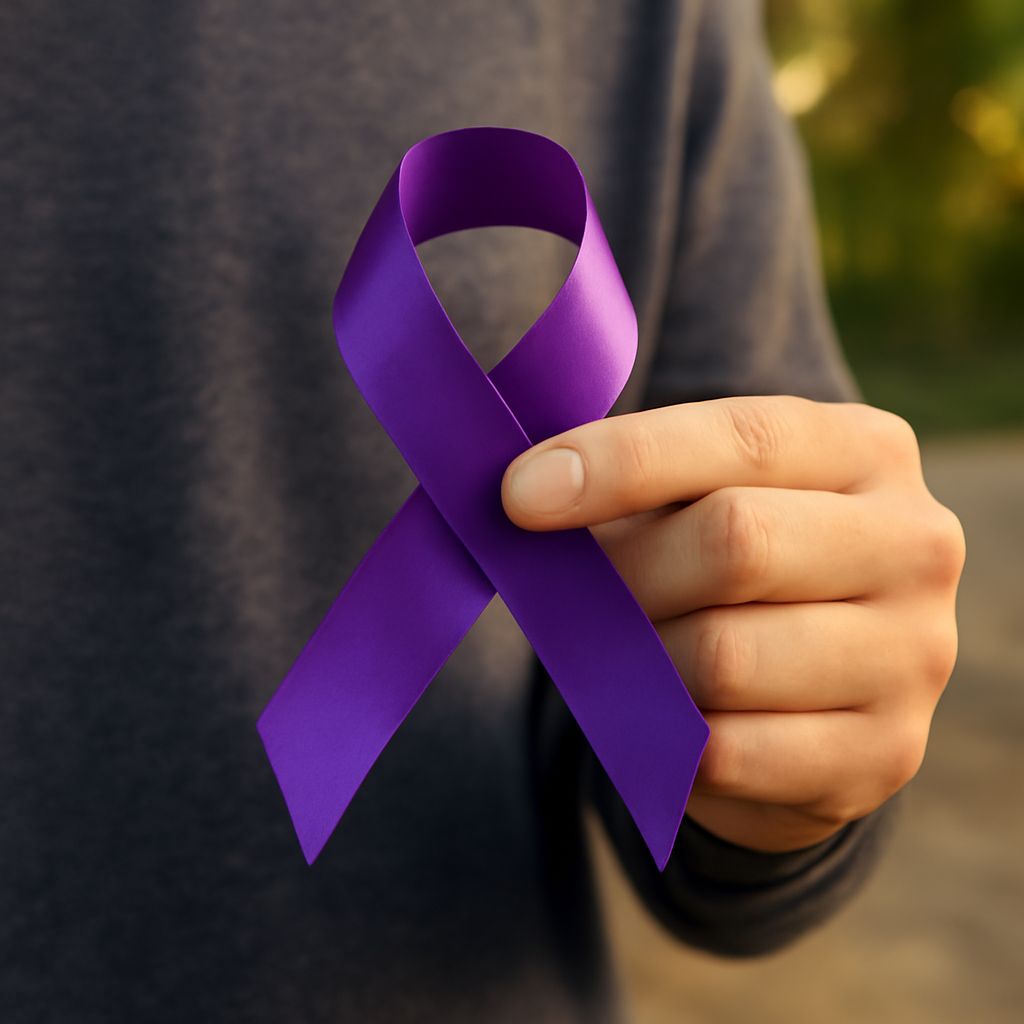
Color carries meaning in advocacy work. The domestic violence color is purple — a symbol of courage, survival, and the commitment to ending intimate partner violence. It appears on ribbons, in event branding, and throughout October campaigns worldwide. Knowing what the color represents and how to use it effectively makes awareness efforts more cohesive and more resonant.
The teen dating violence awareness month, observed each February, uses its own color — red and orange — to signal that abuse in young relationships deserves distinct attention. The domestic violence ribbon color specifically refers to purple, which has been the primary symbol for the movement since the 1990s. Domestic violence awareness color choices matter because they signal solidarity and create instant recognition. Domestic violence awareness month ideas that incorporate these visual elements help organizations build campaigns that feel connected to a larger movement.
The Purple Ribbon and Its Meaning
The domestic violence color purple was chosen to symbolize bruising, courage, and the royalty of survivors reclaiming their lives after abuse. It appears across awareness events in October — Domestic Violence Awareness Month — on everything from social media overlays to building illuminations. The domestic violence ribbon color is used by the National Domestic Violence Hotline, state coalitions, and local organizations as a unifying identifier.
Wearing or displaying the domestic violence awareness color during October communicates solidarity without requiring explanation. For survivors, seeing that color in public spaces signals that their experience is being acknowledged. For communities new to the issue, it creates a visual entry point into the conversation.
Teen dating violence awareness month campaigns use different colors — typically teal and orange — to distinguish the issue visually while drawing on the same awareness-building logic. Young people who recognize the color coding understand that their relationships deserve the same scrutiny and protection as adult partnerships.
Planning Effective Awareness Month Events
Ideas That Create Impact
Domestic violence awareness month ideas that work tend to combine education with community. Candlelight vigils honor survivors and those lost to domestic violence. Clothesline projects display decorated shirts representing survivors’ experiences. Training events for healthcare workers, educators, and faith communities expand the network of people equipped to recognize and respond to abuse.
Lighting landmarks in the domestic violence color builds broad visibility. Many cities illuminate bridges, government buildings, and sports venues in purple each October. Domestic violence awareness color campaigns on social media amplify this effect by extending the visual signal to online communities.
Making Teen Dating Violence Awareness Visible
Teen dating violence awareness month campaigns require different messaging than adult domestic violence programs. Young people need information about what healthy relationships look like — not just what abusive ones do. Curricula that teach consent, communication, and boundary-setting in school settings reach the most people at the most important developmental moment.
Organizations running domestic violence awareness month ideas for teen audiences often involve young people as co-creators of content. Peer-led campaigns outperform adult-led ones in this demographic. Student ambassadors, classroom discussions, and social media campaigns created by young people themselves carry authority that external messaging cannot replicate.
Bottom line: The domestic violence color purple carries thirty years of advocacy behind it. Using it consistently in October campaigns, on ribbons, in digital content, and at community events connects local efforts to a national movement. Domestic violence awareness month ideas succeed when they combine visibility with action — giving people something to learn, something to wear, and something to do.