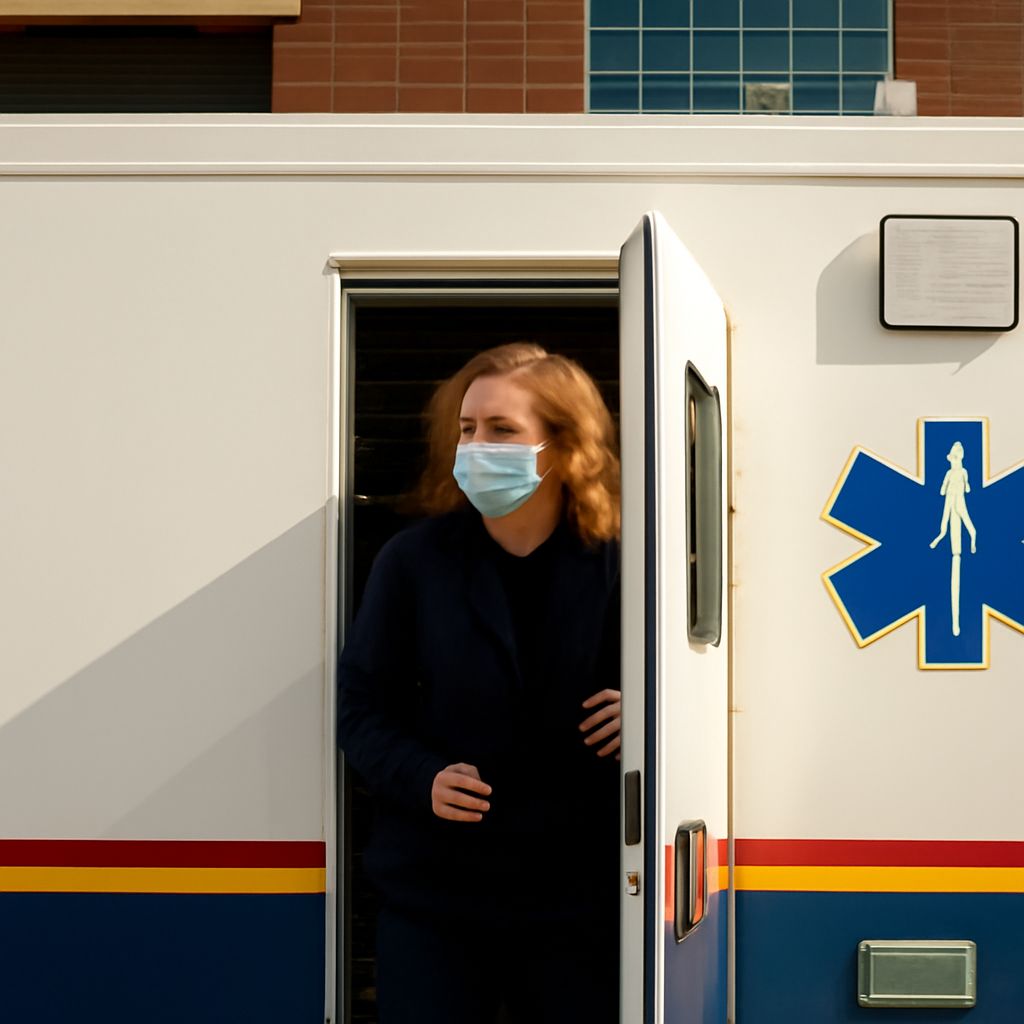
Volunteer EMT: How to Expect and What the Role Involves
Emergency medical services depend on volunteers in communities across the country. A volunteer emt provides the same life-saving care as a paid counterpart — responding to car accidents, cardiac events, falls, and other medical emergencies. The difference is in how the work is compensated. The commitment, the training, and the stakes are identical.
Becoming an emt volunteer is one of the most direct ways to serve your community. Volunteer ems organizations run on people who show up — nights, weekends, and holidays — because someone has to. Emt volunteer opportunities exist in most counties and regions, from rural departments running entirely on volunteers to suburban departments that supplement paid staff. Even becoming a volunteer paramedic is possible for those who want advanced-level involvement after gaining experience as an EMT.
What Volunteer EMTs Actually Do
A volunteer emt responds to 911 calls within their service area, provides basic life support, and transports patients when needed. Day-to-day tasks include checking equipment, maintaining vehicles, and running training drills alongside paid staff and other volunteers.
Being an emt volunteer means being on call for scheduled shifts — often 12 or 24 hours at a time. You respond when the pager goes off. You learn to function under pressure, work with limited information, and make quick decisions that matter. It is demanding work, and most who do it describe it as genuinely rewarding.
Volunteer ems teams often cover rural areas where a paid department would be cost-prohibitive. Without emt volunteer opportunities like these, response times in remote communities would be dangerously long. The volunteer system is not a backup — in many places, it is the primary system.
Training and Certification Requirements
Getting Certified
Becoming a volunteer emt requires completing a state-approved EMT course and passing the National Registry of Emergency Medical Technicians exam. Most basic EMT programs run 120 to 150 hours, combining classroom instruction with clinical and field experience. Many volunteer ems departments offer to pay for or subsidize training in exchange for a service commitment.
After certification, ongoing continuing education keeps skills current. Emt volunteer opportunities often include access to additional training — vehicle extrication, hazmat awareness, pediatric care — that builds expertise over time. Experienced volunteers sometimes pursue paramedic certification, becoming a volunteer paramedic with advanced assessment and medication administration skills.
Finding Opportunities and Getting Started
Most emt volunteer opportunities are posted directly on local fire and EMS department websites. The National Volunteer Fire Council (NVFC) maintains a national database of departments seeking volunteers. Showing up in person to express interest is often the most effective approach.
If you already hold EMT certification and want to become a volunteer paramedic, contact your county EMS office. Many departments have pathways for experienced volunteers to advance their training at reduced cost. The investment pays off quickly — both in capability and in the depth of contribution you can make to your community.
Next steps: Look up your county’s EMS department or local volunteer fire company and ask about upcoming EMT training cohorts. Many run courses twice a year. If you already have certification, request a ride-along to see how the volunteer ems system operates before committing. Most departments welcome observers who are serious about joining.