Abuse of Power: Definition, Government Examples, and How to Recognize It
Few threats to democratic governance are more persistent than abuse of power. The abuse of power definition covers a wide range: from a supervisor retaliating against an employee who filed a complaint, to government officials using public office for private gain. Power abuse operates at every institutional level.
We explain what is abuse of power in both legal and social contexts, examine government abuse of power through historical and contemporary examples, and describe how to recognize and respond when institutional authority exceeds its legitimate bounds.
Defining Abuse of Power Across Contexts
The abuse of power definition in legal contexts typically requires: (1) a position of authority or trust; (2) use of that position for unauthorized purposes; and (3) harm to others who lacked the power to resist. What is abuse of power differs somewhat across contexts — in employment law, it encompasses retaliation and discrimination; in criminal law, it includes bribery and official corruption; in civil rights law, it covers excessive force and discriminatory enforcement.
Power abuse in interpersonal relationships follows the same structural logic: one party exploits a position of authority — whether as an employer, parent, intimate partner, or caregiver — to control, harm, or extract benefit from those with less power. The common thread is exploitation of asymmetry.
Institutional vs. Interpersonal Power Abuse
Institutional power abuse is often more diffuse and harder to attribute to individual actors than interpersonal abuse. When organizational cultures normalize misconduct — protecting abusers through silence, reassignment rather than termination, or victim-blaming — the institution itself becomes the perpetrator.
Government Abuse of Power: Historical and Contemporary Examples
Government abuse of power has taken many forms throughout history. The internment of Japanese Americans during World War II represents executive power exercised against a targeted population without legal justification. The COINTELPRO program used FBI resources to monitor and disrupt civil rights organizations — a documented case of law enforcement power turned against the people it was meant to protect.
Contemporary government abuse of power includes gerrymandering that dilutes minority voting power, police departments that systematically target racial groups without cause, and regulatory agencies captured by the industries they are supposed to oversee. Recognizing power abuse at this scale requires systemic analysis, not just individual incident review.
Checks and Balances as Power Abuse Prevention
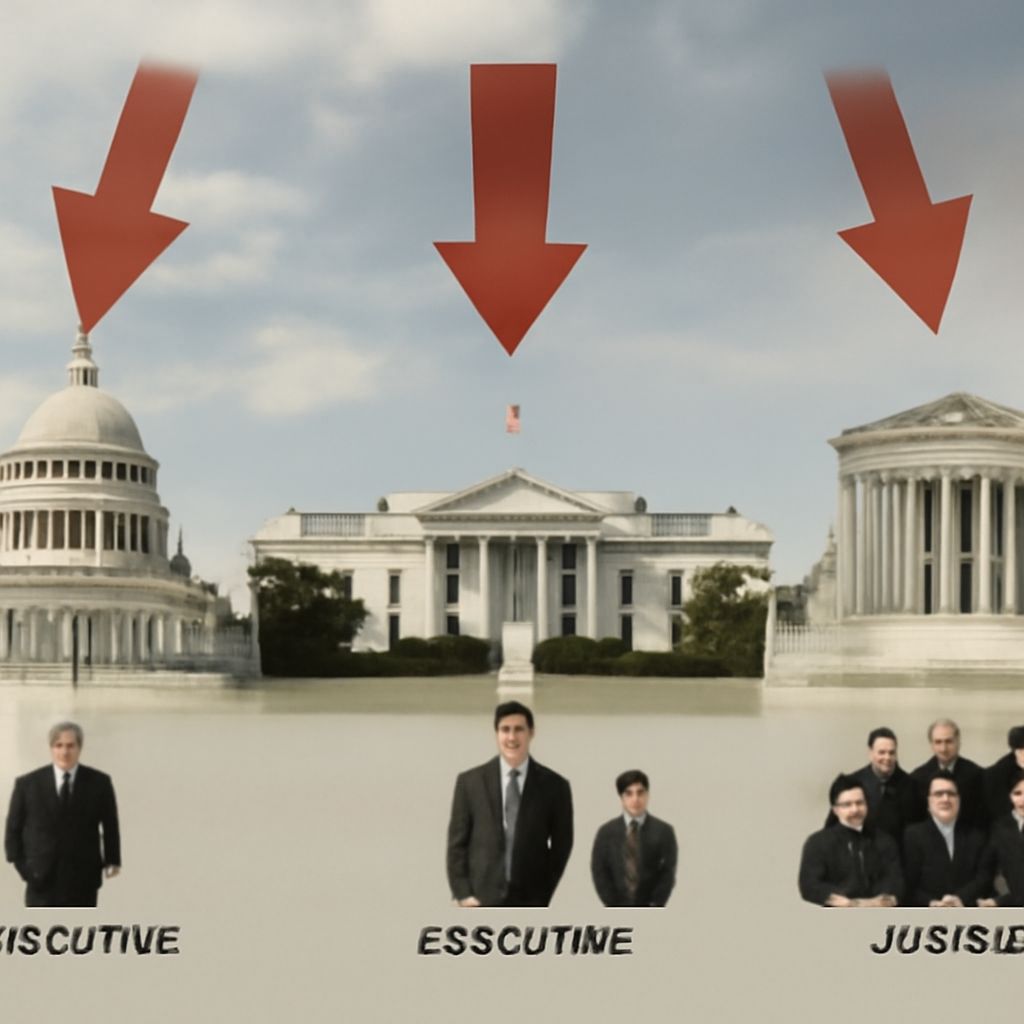
Democratic systems design checks and balances specifically to prevent abuse of power by any single branch or official. Independent judiciaries, free press, civil society oversight, and whistleblower protections all function as institutional safeguards against unchecked power.
Recognizing and Responding to Power Abuse
What is abuse of power in your specific situation? Look for patterns: decisions made without transparency or accountability; retaliation against those who question authority; exclusion of affected parties from decisions that affect them; and benefits flowing consistently to those in power at the expense of those below.
Abuse of power can be challenged through legal channels (EEOC complaints, civil rights lawsuits, inspector general reports), political channels (advocacy, organizing, voting), and public channels (journalism, whistleblowing, transparency initiatives). The most effective responses combine multiple approaches. Power abuse rarely changes in response to a single complaint — it changes when accountability becomes unavoidable.