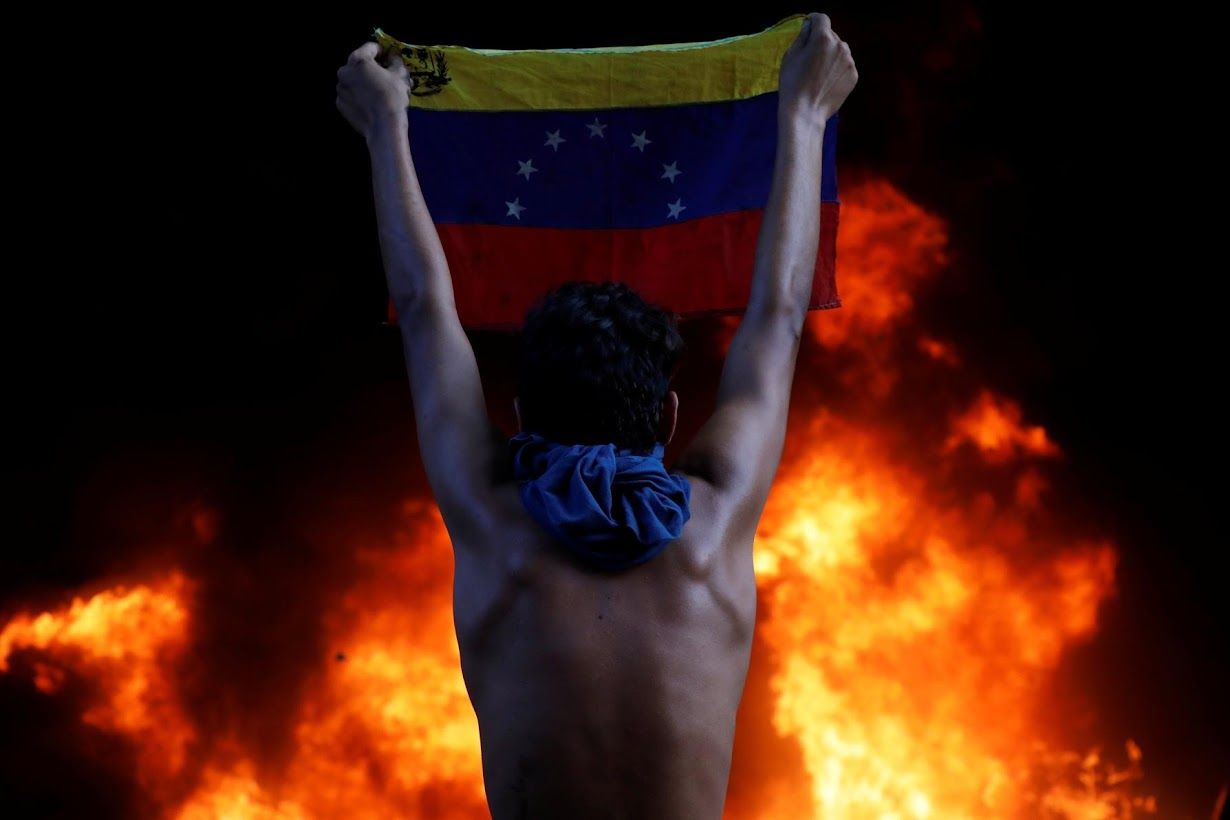
Silence Is Violence: Gratuitous Violence, Venezuela, and the Cost of Inaction
Silence is violence. The phrase challenges bystanders to recognize that choosing not to act in the face of injustice is itself a form of complicity. Gratuitous violence — harm inflicted without purpose beyond cruelty itself — demands response, not avoidance. Venezuela violence has made this principle concrete for millions of people: political prisoners, murdered protesters, and families fleeing a collapsing state cannot be addressed through silence. Violence in Venezuela has been documented by the UN, the ICC, and human rights organizations as potentially meeting the threshold of crimes against humanity. White silence is violence in racial justice contexts makes the same argument: those with power who say nothing are not neutral — they are complicit.
We examine these dimensions together because they share the same moral logic: inaction enables harm.
Gratuitous Violence and the Failure of Neutrality
Gratuitous violence describes acts of cruelty that exceed any rational purpose — torture performed beyond what coercion requires, killings that serve no strategic end. When gratuitous violence occurs and witnesses stay silent, the silence signals that such acts carry no social cost. That signal matters. Research on genocide prevention consistently shows that early, loud international condemnation reduces subsequent atrocities.
The principle behind white silence is violence applies here. When those with institutional access to power — governments, media, NGOs — decline to name violence clearly, they extend impunity to perpetrators. Silence is violence not as metaphor but as mechanism: it removes one of the few constraints on abusive actors.
Venezuela Violence: A Case Study in Consequences
Venezuela violence has escalated across multiple administrations. Violence in venezuela now involves state security forces, armed pro-government groups (colectivos), and criminal organizations operating in a space where rule of law has effectively collapsed. The UN High Commissioner for Human Rights documented thousands of extrajudicial killings between 2018 and 2022.
International response has been inconsistent. Some governments condemned violence in Venezuela loudly and imposed sanctions. Others maintained diplomatic and economic relationships with the Maduro government. The pattern illustrates how selective silence enables ongoing harm.
White Silence Is Violence and Its Applications
The slogan white silence is violence emerged from the Black Lives Matter movement to challenge the idea that white Americans could remain uninvolved while racialized police violence continued. Silence is violence in this context means that those with the social and political capital to speak and act bear responsibility for using it.
The same framework applies to international human rights. Silence is violence whether it protects a state committing Venezuela violence or an institution tolerating gratuitous violence within its walls. The demand is consistent: name what is happening, refuse neutrality, and use available influence to reduce harm.
Bottom line: Silence is violence is not hyperbole. From gratuitous violence in conflict zones to violence in Venezuela to racial violence at home, the costs of inaction are real and measurable. White silence is violence as a framework applies wherever those with power choose not to use it in defense of those who are harmed.