Assault Causes Bodily Injury Family Violence: Understanding Gender-Based Violence
In Texas and many other jurisdictions, the legal charge of assault causes bodily injury family violence applies when physical harm occurs within domestic relationships. It is a serious charge with lasting consequences. But this legal framing is only one lens through which we can examine what advocates call gender-based violence — a systemic problem that extends far beyond any single courtroom.
The annual 16 days of activism against gender-based violence (November 25 to December 10) draws global attention to root causes. We examine the causes of gender-based violence, review causes of gender based violence from a structural perspective, and explore the work of organizations like the Asian Pacific Institute on gender-based violence that serve specific communities.
Legal Dimensions: Family Violence Charges
When prosecutors charge someone with assault causes bodily injury family violence, they are applying statutes designed to treat domestic violence as a distinct and serious category of harm. A conviction carries enhanced penalties compared to assault against strangers and can result in firearm prohibitions under federal law.
Family violence charges also trigger mandatory protective orders in many states. Understanding this legal framework matters for both survivors seeking protection and individuals facing charges who need to understand the full scope of consequences.
Evidence in Family Violence Prosecutions
Prosecutors of physical harm within families often proceed even without victim cooperation, using photographs, 911 recordings, medical records, and witness testimony. This “evidence-based” prosecution model was developed specifically to address the reality that survivors often recant under pressure.
Structural Causes of Gender-Based Violence
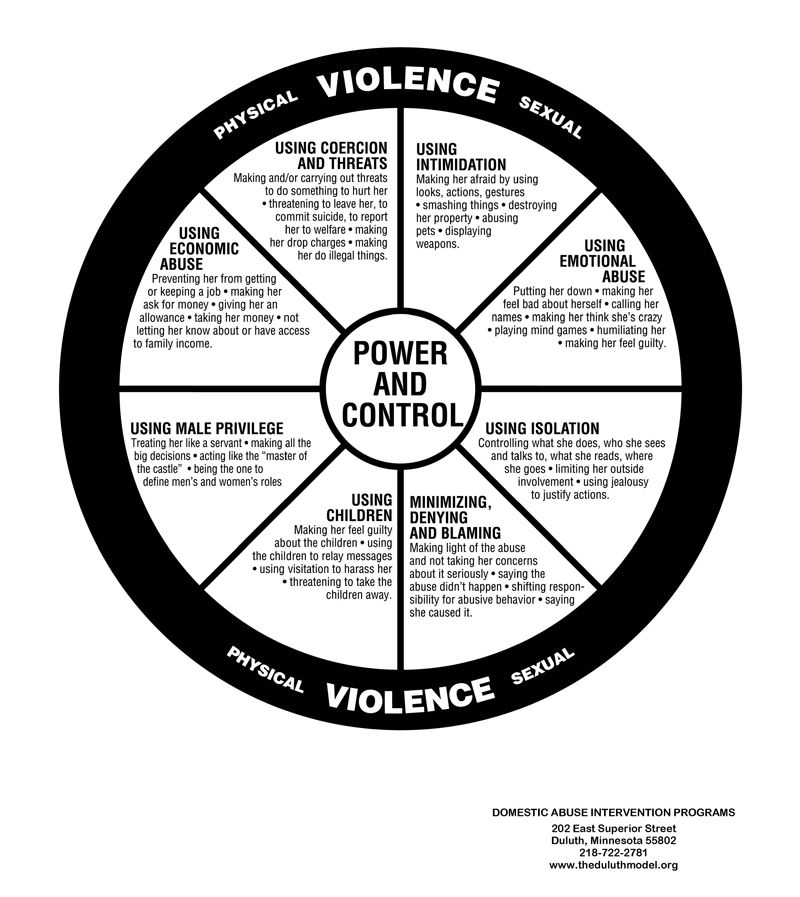
The causes of gender-based violence are well-documented: patriarchal norms, economic inequality, gender socialization that equates masculinity with dominance, and institutional failures that fail to hold perpetrators accountable. These are not excuses — they are explanations that point toward prevention strategies.
Causes of gender based violence at the community level include alcohol and substance abuse, housing instability, and social isolation. Communities with robust social support networks and economic stability consistently show lower rates of family violence.
The 16 Days Campaign and Global Awareness
The campaign of 16 days of activism against gender-based violence was launched in 1991 by the Center for Women’s Global Leadership. It deliberately links November 25 (International Day for the Elimination of Violence Against Women) with December 10 (Human Rights Day), framing violence against women as a human rights issue.
Community-Specific Organizations and the APIGBV
The Asian Pacific Institute on gender-based violence documents how cultural factors, immigration status, and language barriers shape the experience of abuse within Asian and Pacific Islander communities. Their research shows that standard DV resources often fail these communities without cultural and linguistic adaptation.
Understanding community-specific dynamics is essential. The Asian Pacific Institute on gender-based violence publishes data showing that API survivors often delay seeking help due to family shame, fear of deportation, and lack of same-language services. Tailored outreach changes those outcomes.
Pro tips recap: Assault causes bodily injury family violence charges signal that the law takes family violence seriously — but legal response alone is insufficient. Addressing the causes of gender-based violence requires policy reform, community investment, and organizations like those running the 16 days of activism against gender-based violence that center survivor voices in every solution.