Horse Abuse, Parental Abuse, and Animal Cruelty: Recognizing Hidden Harm
Abuse takes many forms and touches many victims — human and animal alike. Horse abuse is more widespread than many people realize, occurring in racing, training, and agricultural settings. Parental abuse — harm inflicted by parents on children — is another category that often goes undetected until lasting damage has occurred.
We examine parent abuse within families, look at specific issues like horse racing abuse and amish horse abuse, and connect these different forms of cruelty through shared dynamics of power imbalance and isolation that allow harm to persist.
Understanding Horse Abuse in Different Contexts
Horse abuse occurs across the spectrum of equine use. In racing, overtraining, the use of prohibited substances, and inadequate veterinary care are documented problems. Horse racing abuse investigations have revealed horses pushed to compete through injuries, leading to breakdowns and fatalities on tracks.
Amish horse abuse cases present differently. Investigations by animal protection organizations have documented overworking of horses used for transportation and farm labor, inadequate shelter, and failure to provide veterinary care due to cultural practices that deprioritize animal welfare. Amish horse abuse is complicated by jurisdictional questions about religious freedom and state animal cruelty statutes.
Signs of Equine Mistreatment
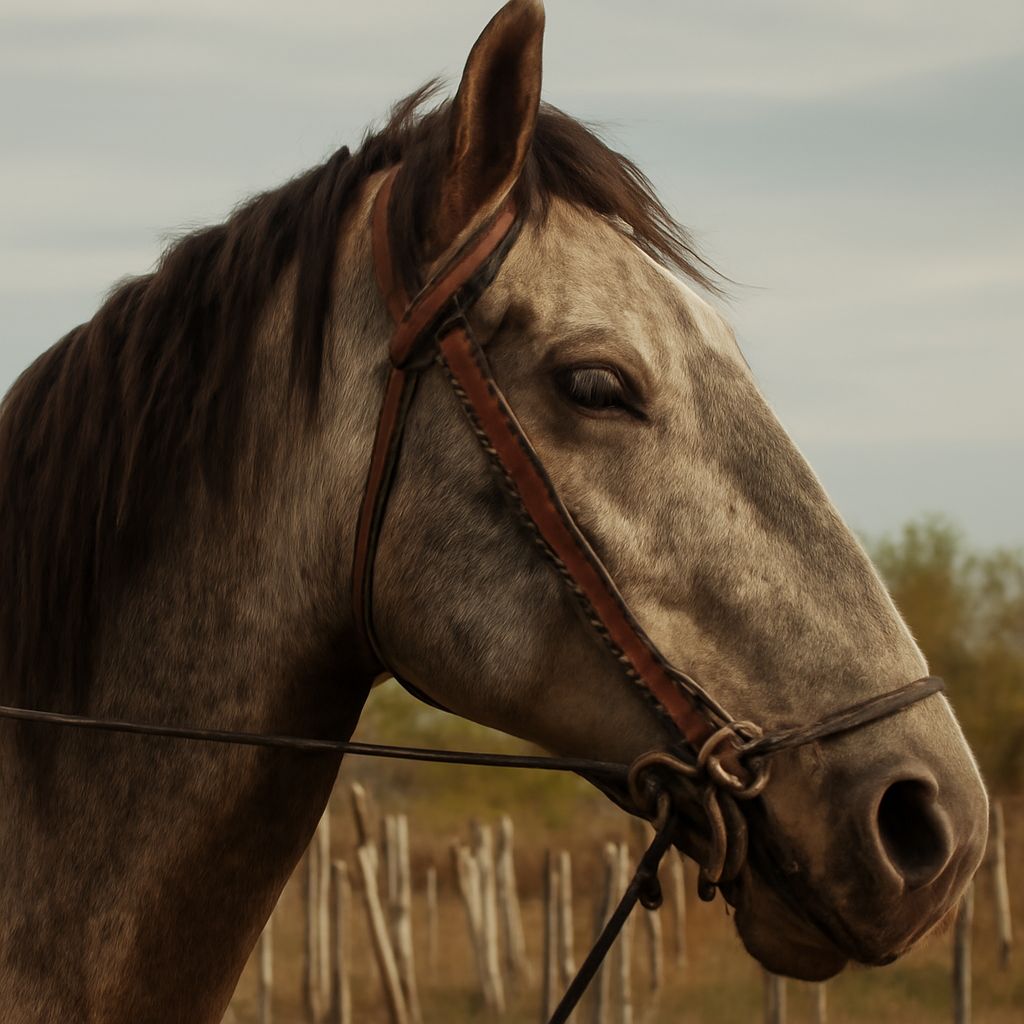
Horses suffering mistreatment typically show visible ribs, dull coats, overgrown or cracked hooves, wounds in various stages of healing, and fearful behavior. Anyone observing these signs should contact their state’s department of agriculture or local humane enforcement officer.
Parental Abuse: When Caregivers Cause Harm
Parental abuse encompasses physical, emotional, and sexual harm perpetrated by parents against their children. It is distinct from child abuse by other adults in that the perpetrator holds the child’s deepest trust — making both the harm and the healing more complex.
Parent abuse also refers, in some contexts, to abuse perpetrated by adult children against aging parents. This form of elder mistreatment is underreported but documented in research across cultures and income levels. Caregiving stress, substance abuse, and financial dependency are consistent risk factors.
Breaking the Cycle of Family Harm
Adults who experienced parental abuse as children face elevated risks of mental health challenges, relationship difficulties, and — without intervention — of perpetuating similar patterns. Trauma-informed therapy, peer support groups, and parenting education programs all reduce intergenerational transmission of harm.
Shared Dynamics Across Different Forms of Abuse
Horse abuse, parental abuse in families, and parent abuse of elders all share key dynamics: a power differential, isolation of the victim, normalization of the harm within the immediate community, and barriers that make reporting difficult or dangerous.
Effective responses to all forms of abuse require mandatory reporting systems, trained investigators, and survivor-centered support systems. For horse racing abuse specifically, independent track stewards and random testing programs are the most effective deterrents. Bottom line: Whether the victim is human or animal, abuse thrives in silence. Knowing the signs and reporting them is a civic and moral obligation.