Signs of Emotional Abuse in Children: Recognizing What You Cannot Always See
Emotional abuse leaves no bruises, which makes it the hardest form of child maltreatment to identify and the easiest for institutions to overlook. Signs of emotional abuse in children appear in behavior, in language, and in the quality of relationships, rather than in physical evidence. Emotional child abuse involves repeated patterns of rejection, humiliation, terrorizing, ignoring, or corrupting a child in ways that damage their psychological development. Signs of emotional abuse parents may display include constant criticism, belittling, threats, and dismissal of the child’s emotional needs. Signs of emotional abuse from parents are often invisible to outsiders because the harm occurs in private and the child may be coached to behave normally in public. Parental emotional abuse is among the most underreported and undersubstantiated forms of child maltreatment, partly because the visible behavioral signs overlap with other conditions and partly because the evidentiary standard for substantiation is difficult to meet without corroborating documentation.
We developed this guide to help parents, teachers, pediatricians, and other professionals recognize the behavioral indicators of emotional maltreatment and understand their reporting obligations.
Behavioral Indicators of Emotional Child Abuse
What Children Show When Words Cannot
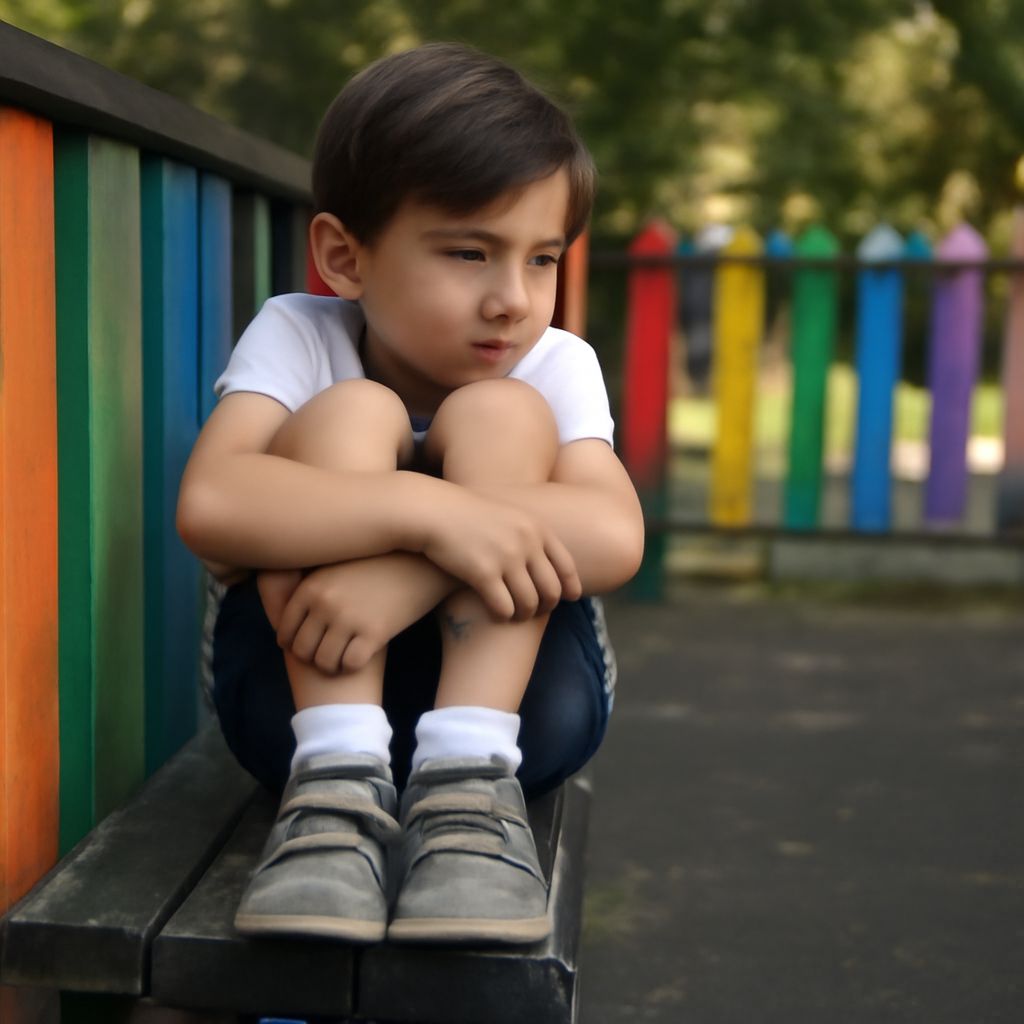
Signs of emotional abuse in children most often appear in behavior and social-emotional functioning rather than in physical presentation. Children who are emotionally abused may show extreme passivity or extreme aggression, sometimes alternating between the two. They may display age-inappropriate behavior, either significantly younger than their chronological age or forced into adult roles prematurely. Emotional child abuse often produces a pattern of emotional numbing in which the child appears flat, joyless, or unable to engage in age-appropriate play and social interaction. Signs of emotional abuse from parents also appear in how children respond to their caregiver: children who visibly tense, become hypervigilant, or immediately shift their behavior when a parent enters the room are showing fear responses that warrant attention.
Language, Relationships, and Self-Concept
Signs of emotional abuse parents may be imposing can also appear in what children say about themselves and about their families. Children who consistently describe themselves using harsh, self-deprecating language, who express certainty that no one cares about them, or who make statements consistent with hopelessness may be reflecting what they hear at home. Parental emotional abuse affects the developing sense of self in ways that persist into adulthood if not addressed. Signs of emotional abuse in children in the relational domain include difficulty trusting adults, avoidance of close relationships, or conversely, indiscriminate attachment to any adult who shows kindness because the child is starved for positive adult attention.
Signs of Emotional Abuse From Parents: What to Look For in the Relationship
Parent-Child Interaction Patterns
Signs of emotional abuse from parents are sometimes visible to professionals during observations of parent-child interaction. A parent who consistently ignores the child’s bids for attention, who responds to the child’s distress with contempt or mockery, or who undermines the child’s competence in age-appropriate tasks may be demonstrating emotional maltreatment. Parental emotional abuse in the context of a pediatric appointment may be visible when the parent responds negatively to the child’s normal behavior in the waiting room, dismisses the child’s pain or fear during examination, or makes critical comments about the child directly to the provider. These observations are clinically significant and may constitute reasonable basis for a report to child protective services.
Distinguishing Emotional Abuse From Parenting Stress
Signs of emotional abuse in children and signs of parenting stress can overlap, and this is one reason emotional maltreatment is difficult to assess and substantiate. A parent who is under extreme stress, dealing with mental health challenges, or lacking parenting skills may display some behaviors similar to emotional child abuse without meeting the threshold of maltreatment. Signs of emotional abuse parents display as a pattern over time, rather than as isolated incidents of frustration, are the key marker. Mandated reporters should document what they observe with specificity and report when the pattern of signs is concerning, allowing trained investigators to make the determination about whether a threshold has been crossed.
Reporting and Responding to Suspected Emotional Child Abuse
What Mandated Reporters Must Know
Emotional child abuse is included in mandatory reporting laws in all states, though it is less frequently the basis for substantiated reports than physical abuse or neglect because of the evidentiary challenges. Parental emotional abuse that meets the legal threshold for maltreatment should be reported to child protective services. The reporting person is not responsible for determining whether abuse occurred, only for having reasonable suspicion based on observable indicators. After reporting, continuing to document behavioral signs and maintaining a supportive relationship with the child are the most direct contributions a professional or concerned adult can make. The Childhelp National Child Abuse Hotline at 1-800-422-4453 provides guidance for anyone uncertain about whether and how to report.
Key takeaways: Signs of emotional abuse in children appear in behavior, language, self-concept, and relational patterns rather than in physical evidence. Emotional child abuse leaves lasting developmental harm that becomes harder to address the longer it continues without intervention. Mandated reporters should document patterns of signs of emotional abuse from parents over time and report when those patterns meet the reasonable suspicion threshold.