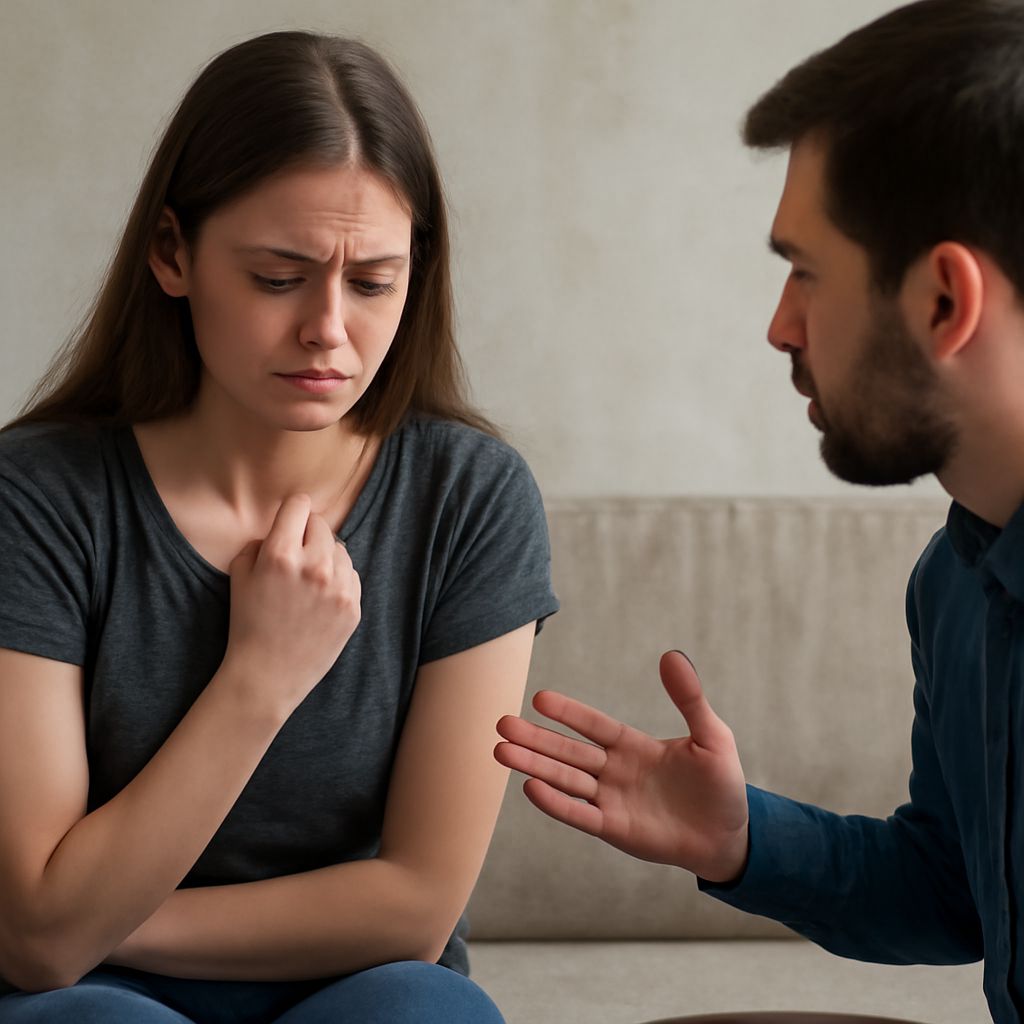
Domestic Violence Quotes: Giving Language to Experiences That Are Hard to Name
Abuse often leaves people struggling to articulate what happened to them. Domestic violence quotes provide language that survivors, advocates, and communities can use to name harm, validate experience, and open conversations that would otherwise be too heavy to start. Mental abuse quotes capture the invisible wounds that physical evidence cannot document. Domestic abuse quotes from survivors and clinicians alike reflect the complexity of loving someone who hurts you. Quotes about emotional abuse reveal how psychological cruelty operates through control, isolation, and the systematic erosion of self-worth. Relationship abuse quotes remind us that abuse is about power, not passion, and that it crosses all demographic lines. The right words at the right moment can shift perspective, prompt action, and remind someone in a dangerous situation that their experience is real and that help exists.
We compiled this collection of reflections and clinical observations to support survivors, educators, advocates, and anyone who wants to understand domestic violence more clearly.
Quotes That Name Psychological and Emotional Abuse
From Mental Health Professionals
Mental abuse quotes from researchers and clinicians often focus on how emotional cruelty operates over time. Judith Herman, whose work on trauma and recovery has shaped the field for decades, wrote that the perpetrator’s greatest power is the power to make the victim doubt her own perceptions. This observation appears frequently in lists of quotes about emotional abuse because it captures something survivors often describe: the experience of being told repeatedly that their perceptions are wrong, their reactions are disproportionate, and their memories are inaccurate. Domestic abuse quotes from clinical literature emphasize that this gaslighting is a deliberate tactic, not a misunderstanding.
From Survivors and Advocates
Domestic violence quotes from survivors carry a different texture than clinical descriptions. They speak to the lived contradiction of fearing someone you also love, of staying because leaving feels more dangerous than remaining, of rebuilding a sense of self that was systematically dismantled over months or years. Relationship abuse quotes from advocates often emphasize what the research confirms: that abuse is about control, not anger management. The abuser is typically capable of managing their behavior in other contexts; violence at home is a choice made within a relationship where they believe they can make that choice without consequence.
Quotes About Emotional Abuse and Recognition
Words That Help People Name What Happened
Quotes about emotional abuse are particularly valuable because emotional harm often goes unnamed for years. Survivors report that reading a quote that matches their experience is sometimes the first moment they recognize their relationship as abusive. Mental abuse quotes that describe isolation tactics, coercive control, and the cycle of tension and reconciliation give people a vocabulary for what they lived through. Domestic abuse quotes used in therapeutic settings help clients move from describing individual incidents to understanding the overall pattern of their relationship.
Relationship Abuse Quotes in Education and Advocacy
Relationship abuse quotes are widely used in school-based prevention programs, community awareness campaigns, and training for professionals who work with survivors. A well-chosen domestic violence quote in a training session can shift a professional’s framing from focusing on why the victim stayed to understanding what the abuser did to make leaving so dangerous. Domestic violence quotes in advocacy contexts are most effective when paired with concrete information about resources, hotlines, and safety planning. Words alone do not create safety, but they create the conditions for conversations that can lead to safety.
Using These Quotes Responsibly
Context, Attribution, and Care
Domestic violence quotes should be used with attention to source and context. Many quotes circulate online without accurate attribution, which can misrepresent the ideas of researchers and survivors alike. When using mental abuse quotes or relationship abuse quotes in professional or educational settings, verify the source and provide context that explains what the quote means and why it matters. Domestic abuse quotes used in media should be paired with hotline information. The National Domestic Violence Hotline at 1-800-799-7233 offers 24-hour support for anyone in an abusive situation or supporting someone who is.
Key takeaways: Domestic violence quotes give language to harm that is often invisible, helping survivors recognize their experience and advocates communicate it. Mental abuse quotes and quotes about emotional abuse are particularly valuable because psychological harm leaves no physical evidence. Using relationship abuse quotes responsibly means verifying sources, providing context, and always connecting words to real resources.