What Are the Causes of Youth Violence: A Research-Based Overview
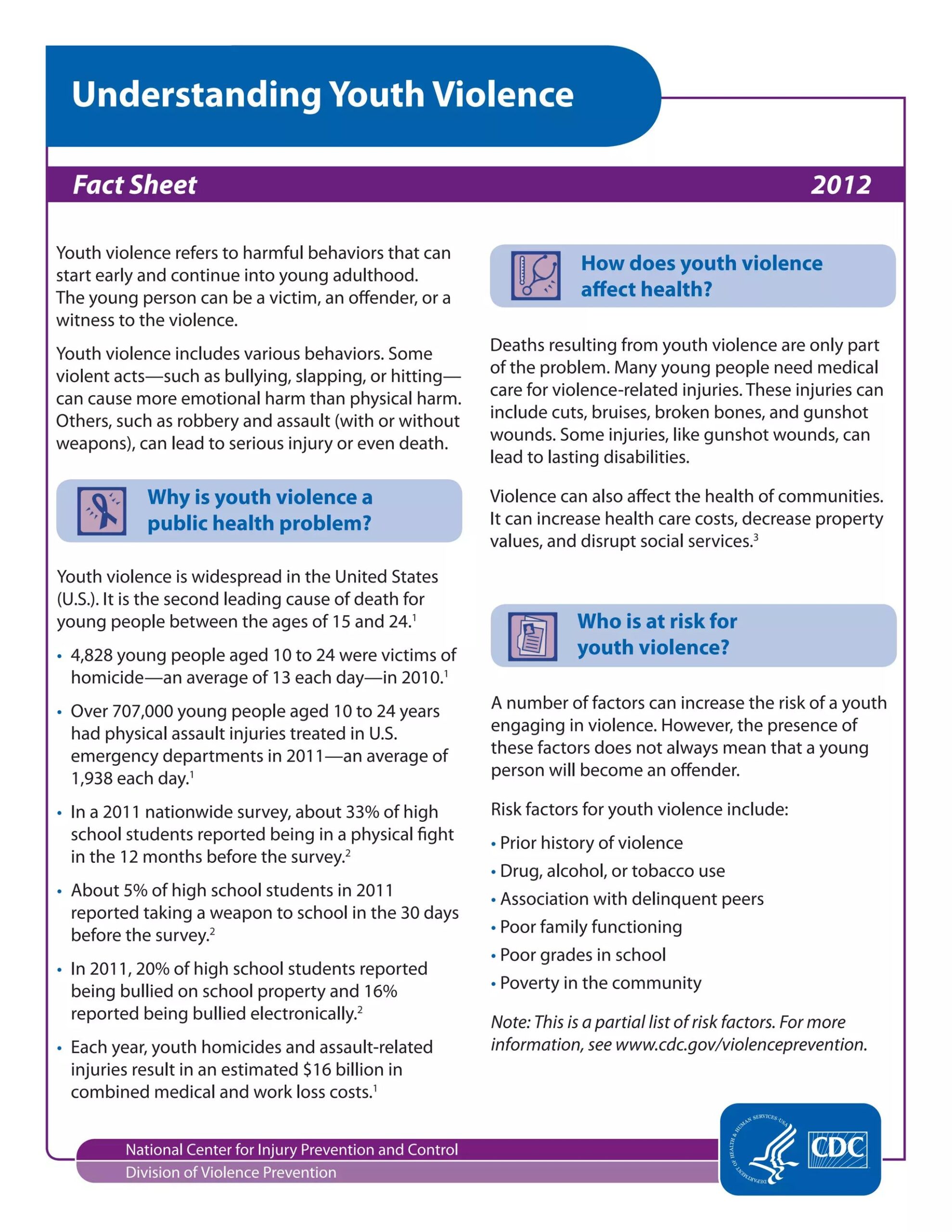
Youth violence does not emerge from a single source. What are the causes of youth violence is a question that researchers, policymakers, and practitioners have studied for decades, and the answer consistently involves multiple intersecting factors. What are causes of youth violence at the individual, family, peer, and community levels all contribute. The causes of youth violence identified in the research literature include exposure to violence at home, poverty, trauma, school disconnection, and community disinvestment. Understanding what causes youth violence requires moving beyond simplistic explanations and looking at how risk factors accumulate over time. What are the causes of youth violence that are most actionable for intervention is the question that prevention science tries to answer.
We put together this overview to provide a clear, evidence-based picture of why youth violence occurs and what the research says about reducing it.
Individual and Family Risk Factors
Early Trauma and Adverse Childhood Experiences
One of the most consistent findings in the causes of youth violence research is the role of adverse childhood experiences, or ACEs. Children who experience abuse, neglect, household dysfunction, or witnessing violence in the home accumulate risk that manifests in behavioral problems, emotional dysregulation, and eventually violent behavior. What causes youth violence at the individual level often traces back to this accumulated stress. Trauma disrupts brain development in ways that affect impulse control and threat perception, making aggressive responses more likely in ambiguous social situations.
Parenting Practices and Family Structure
Inconsistent discipline, low parental monitoring, and harsh or abusive parenting are all documented causes of youth violence. Children in homes with high conflict and low warmth are at elevated risk. What are causes of youth violence within families are not just about the presence or absence of two parents; research shows that quality of parenting relationships matters far more than family structure. Access to mental health support for parents under stress is one of the most effective upstream interventions for reducing youth violence risk.
Peer, School, and Community Influences
Gang Involvement and Peer Networks
Peer influence is among the most powerful predictors of violent behavior in adolescence. What are the causes of youth violence at the peer level center on affiliation with antisocial peers and gang involvement. Gangs provide identity, belonging, and protection in environments where legitimate sources of these things are absent. Causes of youth violence linked to gang membership are compounded by the fact that gang involvement itself creates additional exposure to violence. Prevention programs that provide alternative sources of belonging and meaningful activity for high-risk youth have demonstrated effectiveness in reducing gang affiliation.
School Disconnection and Neighborhood Factors
What causes youth violence at the community level includes neighborhood poverty, high rates of adult unemployment, concentrated disadvantage, and easy access to firearms. School disconnection, meaning chronic absenteeism, suspension, and dropout, removes youth from protective supervision and structured activity during hours when violence risk is highest. Communities with strong social cohesion, access to recreational programming, and effective community policing show lower youth violence rates. What are causes of youth violence in these settings is partly about the absence of opportunity and the absence of trusted adults.
Prevention Approaches That Address Root Causes
Evidence-Based Programs and Policy
Understanding the causes of youth violence points directly to where prevention should focus. Cognitive-behavioral therapy programs that address trauma and teach conflict resolution skills show strong evidence of reducing violent behavior in high-risk youth. School-based programs that improve social-emotional learning reduce what causes youth violence in school settings. Community violence intervention programs, which use credible messengers to mediate conflicts and connect individuals to services, address the most proximate causes of neighborhood violence. Policy responses that reduce poverty, improve housing stability, and increase access to mental health care address the underlying conditions that make communities vulnerable.
Key takeaways: What are the causes of youth violence involves multiple risk factors at individual, family, peer, and community levels. Causes of youth violence are most effectively addressed through layered prevention that combines individual skills training, family support, school engagement, and community investment. No single intervention addresses all causes, which is why comprehensive, coordinated approaches produce the strongest results.