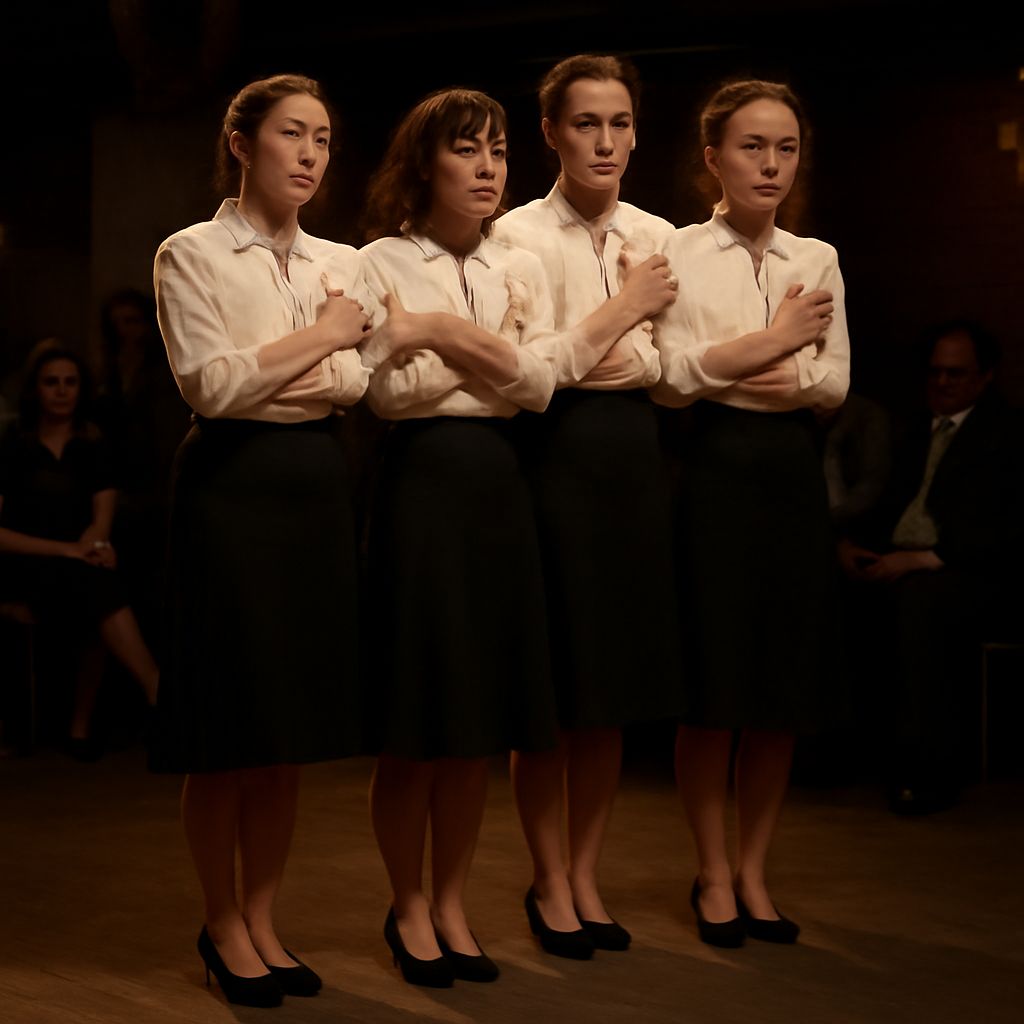
Songs About Emotional Abuse: Music That Names What Words Cannot
Songs about emotional abuse have helped millions of survivors recognize their experiences, break isolation, and begin healing. Music gives form to feelings that are hard to articulate — especially when the abuse involved gaslighting, manipulation, and the steady erosion of self-worth. Alongside these songs about surviving abuse, awareness organizations also use child abuse videos and abuse videos in educational contexts to illustrate patterns of harm. A child abuse video used in professional training, for example, can help teachers and counselors recognize warning signs they might otherwise miss.
Why Songs About Emotional Abuse Resonate So Deeply
How Music Validates Survivor Experiences
Songs about emotional abuse work because they externalize internal experience. When survivors hear their own confusion, fear, and self-doubt reflected in lyrics, validation occurs. This validation is not trivial — many survivors spend years doubting whether what happened to them was real, especially when the abuser denied or minimized incidents. Hearing a song name the experience as abuse removes that doubt. Research in music therapy supports the role of emotionally resonant music in trauma processing and identity reconstruction.
Top Themes in Emotional Abuse Songwriting
Recurring themes in songs about emotional abuse include the slow erasure of self, cycles of idealization and devaluation, being silenced or dismissed, and the exhaustion of walking on eggshells. Artists like Demi Lovato, Taylor Swift, and Olivia Rodrigo have addressed controlling relationships, gaslighting, and manipulation in commercially successful tracks — bringing emotional abuse conversations into mainstream cultural spaces without clinical terminology.
Songs About Surviving Abuse: From Pain to Empowerment
Artists Who Broke the Silence
Songs about surviving abuse often mark a turning point — from victimhood to agency. Beyoncé’s Lemonade album, Kelly Clarkson’s “Stronger,” and P!nk’s “Family Portrait” are frequently cited by survivors as anthems of reclaiming power. These songs do not minimize pain; they move through it. For many people, a song about surviving abuse was the first time they allowed themselves to name what they had endured.
Using Playlists for Emotional Processing
Music therapists often encourage survivors to build intentional playlists: songs that validate the pain, songs about surviving abuse and finding strength, and songs that speak to the future they are building. The sequencing matters — starting with validation before moving to empowerment mirrors the natural emotional arc of recovery. Listening with intention, rather than as background noise, amplifies therapeutic benefit.
Child Abuse Videos and Awareness Media: What to Know
Child abuse videos used in professional and advocacy contexts serve a different purpose than entertainment media. A responsibly produced child abuse video for training might show behavioral indicators — withdrawal, regression, fearfulness — that teachers, pediatricians, and child protective workers need to recognize. Abuse videos in public awareness campaigns often focus on the impacts of neglect and emotional maltreatment, which are statistically more common but less visible than physical abuse.
It is critical to distinguish between educational abuse videos and harmful content. Legitimate child abuse video resources come from credentialed organizations like the National Child Traumatic Stress Network, Darkness to Light, and child advocacy centers. When using these materials in professional settings, follow organizational policies on trauma-informed presentation.
Pro tips recap: Build a survivor playlist that moves from validation to empowerment. Share songs about emotional abuse with trusted allies to help them understand what you experienced. Access professional training resources — including responsibly produced abuse videos — through credentialed organizations that prioritize dignity and accuracy.