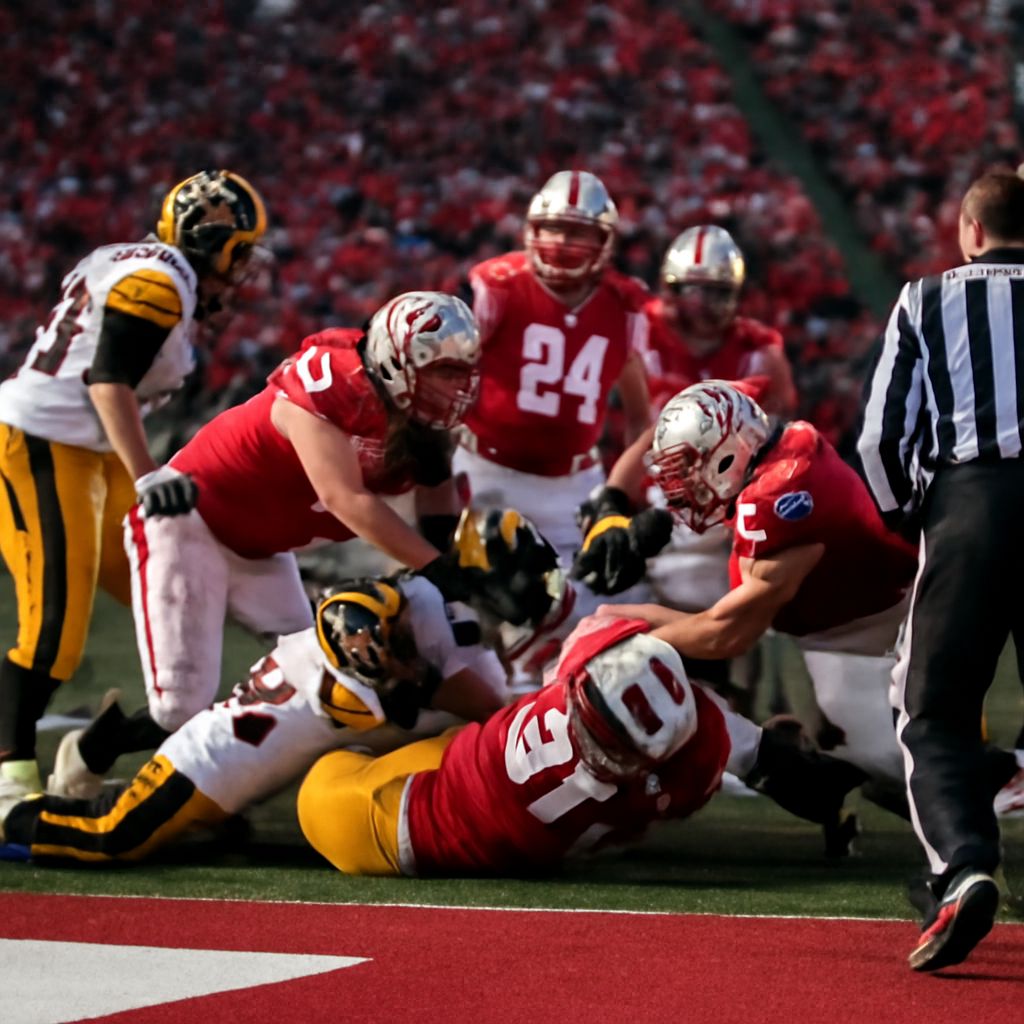
Hi kids, do you like violence? It’s a provocative question that taps into the startling reality of how aggression permeates cultural activities, notably in sports. Violence in sports has long been a topic of concern as it challenges both our moral beliefs and societal norms. While many athletes and fans enjoy the thrill of competition, the undercurrent of violence can disrupt the intended spirit of sportsmanship. Addressing this issue requires a keen understanding of its roots and consequences, as well as exploring profound themes like the link between Jesus and violence.
In this article, we explore the various dimensions of sports violence, its profound impact on individuals and communities, and how historical and moral perspectives, such as those of Jesus, can offer insights into its ethical implications. Together, we aim to shed light on a complex issue and offer pathways to understanding and resolution.
Defining Violence in Sports
Types of Sports Violence
Sports violence is multifaceted, including physical altercations, verbal abuse, and aggressive spectator behavior. Each of these forms manifests in different scenarios, from on-field brawls to hostile chants. Understanding these categories is crucial in addressing the pervasive nature of violence in sports.
Causes of Sports Violence
The causes of sports violence are varied. Intense competition, emotional stress, and cultural acceptance often play significant roles. Additionally, the glorification of aggressive behavior can exacerbate these issues, leading to a more hostile environment. Efforts to mitigate these factors can help transform sports into a safer experience for all involved.
The Impact of Sports Violence
Psychological Effects
Sports violence can have severe psychological effects on athletes and spectators alike. Anxiety, fear, and trauma are common outcomes, affecting mental health and reducing the enjoyment of sports. Addressing these issues requires comprehensive support systems and a focus on promoting positive sporting experiences.
Social Consequences
The social consequences of sports violence extend beyond the field. It can foster a culture of aggression, influencing youth and community behavior negatively. By addressing these consequences, we can aim to cultivate a more respectful and inclusive sporting environment.
Exploring Jesus and Violence
Historical Context
Understanding Jesus and violence requires delving into historical contexts where pacifism and aggression intersect. Jesus’ teachings often advocate for peace, providing a counter-narrative to the acceptance of violence. Reflecting on these teachings can inspire a transformative approach to addressing violence in sports.
Moral Interpretations
Moral interpretations of Jesus’ stance on violence offer rich insights. Many view his life as a testament to non-violence, challenging us to consider the ethical implications of aggression in sports. By embracing these moral teachings, we can foster a culture of empathy and understanding.
Next Steps: To move forward, we must prioritize education and awareness to reduce sports violence. Implementing training programs for athletes and coaches, fostering community dialogues, and maintaining vigilance in promoting ethical sporting practices are vital steps. Let’s work together to make sports a haven of excitement devoid of unnecessary violence.