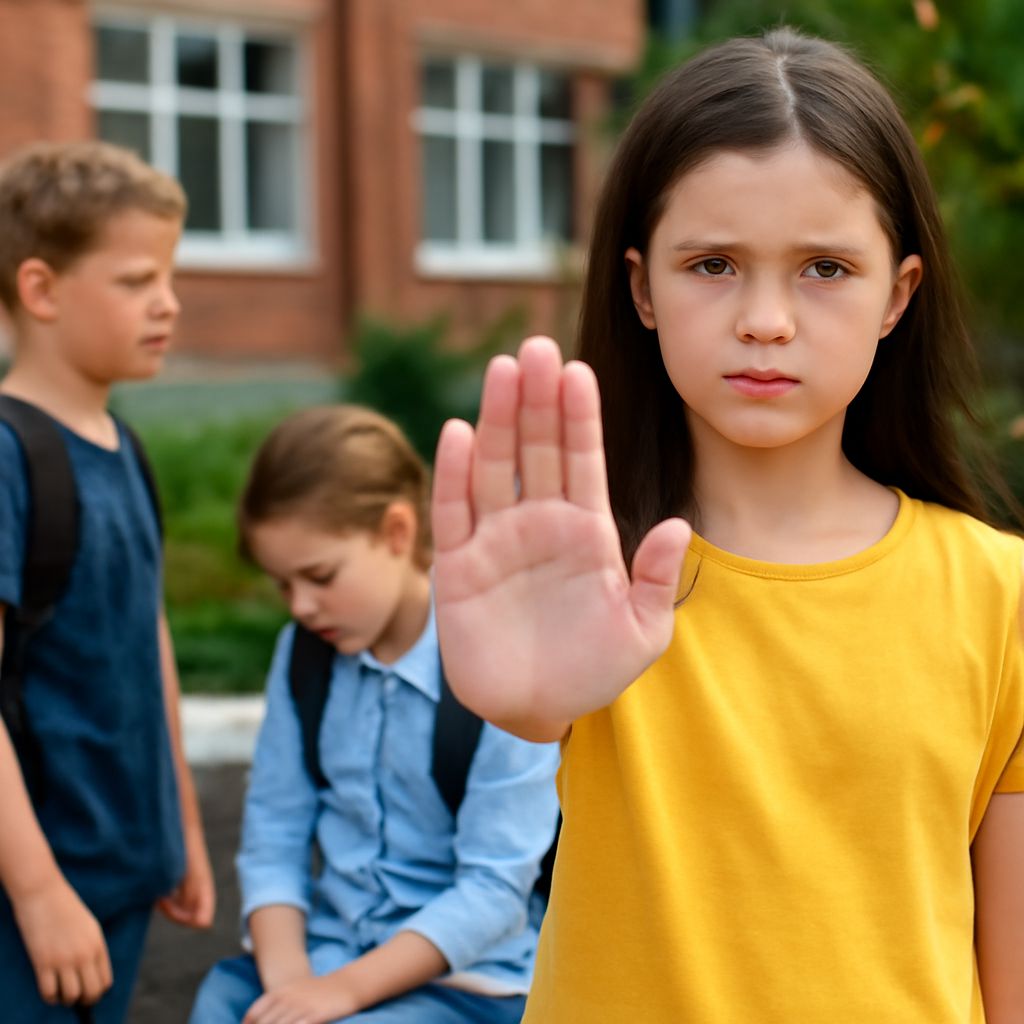
Teen bullying is a prevalent issue that can cause significant harm to students’ mental and emotional well-being. Understanding how to deal with bullying effectively is crucial for both students and those in supportive roles. When it comes to teenage bullying, we must adopt a holistic approach that addresses immediate concerns while paving the way for long-term change.
This guide will explore practical strategies to handle teenage bullying, providing steps for students, guidance for parents, and outlining the role of educators. By promoting awareness and implementing robust school policies, we can create a safer environment where all students can thrive.
Understanding Teen Bullying
Types of Teenage Bullying
Teen bullying manifests in various forms, including physical, verbal, cyber, and social exclusion. Each type requires a unique approach to handling bullying incidents effectively. Cyberbullying, for instance, involves the use of digital platforms to cause harm, while verbal bullying includes hurtful comments and insults.
Impact on Mental Health
Experiencing teenage bullying can lead to severe consequences on mental health. Victims often suffer from anxiety, depression, and low self-esteem. Understanding these impacts strengthens our resolve to deal with bullying and provide necessary support.
Signs of a Bullying Victim
Recognizing the signs of a bullying victim is paramount. Changes in behavior, unexplained injuries, and reluctance to attend school may indicate bullying. By staying vigilant, we can provide timely intervention and support to those in need.
How to Deal with Bullying at School
Steps for Students
Students must be equipped with strategies on how to deal with bullying at school. Encouraging open communication, documenting incidents, and seeking help from trusted adults can empower students to confront bullying effectively.
Guidance for Parents
Parents play a crucial role in handling teenage bullying. By fostering an environment of trust, actively listening, and collaborating with educators, parents can support their children through challenging times. Understanding the dynamics of bullying helps parents address their child’s concerns effectively.
Role of Educators
Educators are vital in creating a safe school environment. By promoting a zero-tolerance policy, providing resources for support, and facilitating open discussions, teachers can significantly reduce instances of bullying. Their proactive engagement in awareness campaigns is essential.
Long-term Solutions
Building a Support Network
Creating a strong support network is essential for long-term solutions to bullying. This involves collaboration between parents, teachers, and counselors to provide consistent support and reinforce positive behavior. It is a collective effort to ensure every student’s safety.
Implementing School Policies
Effective school policies are instrumental in how to deal with bullying at school. These should include clear definitions, reporting mechanisms, and consequences. Schools must actively promote these policies to ensure adherence and accountability.
Promoting Awareness
Promoting awareness is key to preventing bullying. This can be achieved through workshops, seminars, and campaigns that educate students about the effects and unacceptability of bullying. Awareness breeds empathy and understanding, fostering a supportive environment.
Safety Recap: When dealing with bullying, it’s vital to ensure that all involved parties are safe. Encourage open communication and provide access to professional help if needed. Let’s work together to create a bullying-free environment where everyone feels secure and valued.