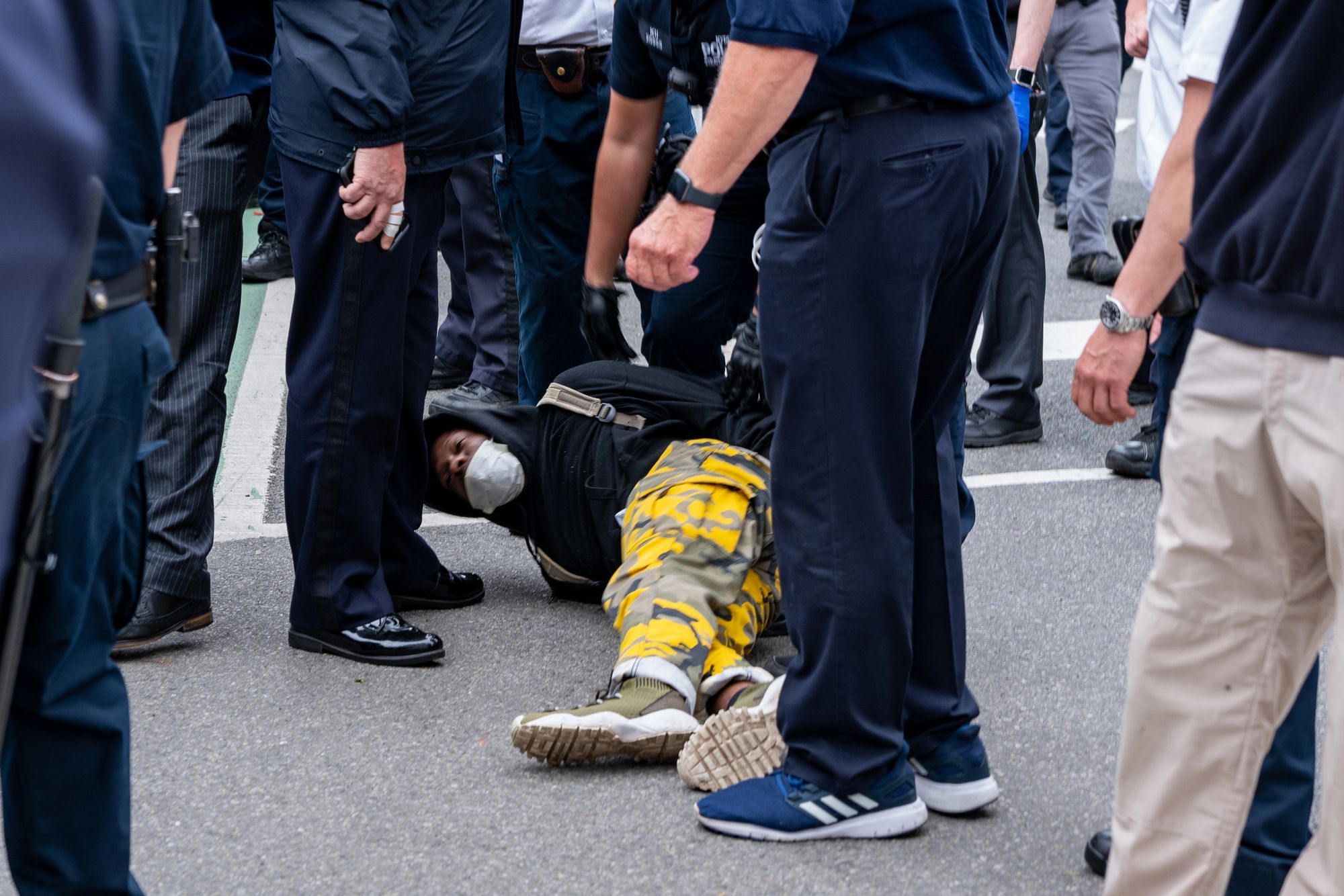
Resisting arrest without violence is a topic that frequently raises questions in the legal community. While many people understand that resisting an officer without violence can still have significant consequences, the broader implications often go unnoticed. By exploring the legal definitions, penalties, and controversial cases such as Jackson Browne’s alleged abuse, we can better appreciate the complexities involved.
One key area intertwined with resisting arrest is domestic violence and the mandatory arrest policies that accompany it. These laws are designed to protect victims but are not without their controversies. Understanding the dynamic between resisting an officer without violence and mandatory arrest in domestic violence cases is crucial for navigating this intricate legal landscape.
Understanding Resisting Arrest Without Violence
Legal Definitions
The term resisting arrest without violence refers to a non-violent refusal to comply with law enforcement during an arrest. Legal definitions can vary by jurisdiction, but typically involve obstructing an officer’s duties without physical confrontation. This includes verbal arguments or passive resistance. Understanding these definitions helps clarify what actions might constitute an offense.
Consequences and Penalties
The penalties for resisting an officer without violence can be severe despite the lack of physical violence. These may include fines, probation, or even jail time. The justice system often takes into account the context of the resistance, but the repercussions can still be significant. We must consider these consequences when discussing legal rights and responsibilities.
Resisting an Officer Without Violence: Legal Perspectives
Rights and Responsibilities
When examining resisting an officer without violence, it’s essential to balance individual rights with law enforcement’s responsibilities. Individuals have the right to understand why they are being detained and to ensure that their rights are not being violated. At the same time, officers are tasked with maintaining order and ensuring public safety.
Case Studies
Exploring case studies of resisting arrest without violence can provide valuable insights into how these situations are handled legally. These case histories often illustrate the fine line between lawful resistance and unlawful obstruction. Analyzing these examples helps us anticipate potential outcomes and understand the legal reasoning behind them.
Domestic Violence and Legal Mandates
Mandatory Arrest Policies
Mandatory arrest policies are designed to protect victims of domestic violence. However, these policies can sometimes complicate cases of resisting arrest without violence. The necessity for immediate arrest can provoke unintended consequences, bringing another layer of complexity to the legislation.
Controversial Cases
In the realm of domestic violence, resisting an officer without violence has sparked debate in controversial cases. These instances often highlight the tension between policy intentions and real-world applications, where mandatory arrest can lead to contentious outcomes.
Jackson Browne and Abuse Allegations
High-profile cases, such as Jackson Browne’s alleged abuse, bring attention to the intersection of resisting arrest and domestic violence. While these allegations remain a point of contention, they underscore the challenges in applying legal mandates uniformly. Such cases invite discussions on both the effectiveness and the fairness of existing laws.
Key takeaways: Resisting arrest without violence involves complex legal parameters that intertwine with domestic violence policies. Understanding individual rights and legal mandates can illuminate the intricate dynamics at play, emphasizing the importance of informed legal navigation. Always exercise caution and seek legal counsel when confronted with these situations.