In today’s society, understanding the dynamics of bullying is crucial for creating supportive environments. One form that often goes unnoticed is physical bullying. To effectively counter it, we must first answer the question: What is physical bullying? By exploring physical bullying facts and delving into verbal bullying statistics and facts, we can better support those affected and foster safer communities.
Our discussion will provide insights into the real-world impacts and offer a comparison between physical and verbal bullying. With this knowledge, we can take meaningful action to address these pervasive issues, ensuring a safer world for everyone.
What is Physical Bullying?
Definition and Examples
Physical bullying involves using force or intimidation to dominate another person. It includes actions like hitting, pushing, or damaging someone’s belongings. This form of bullying often occurs in schools, where physical strength is used to exert control over peers. Understanding what constitutes physical bullying is essential for identifying it early.
Impacts on Victims
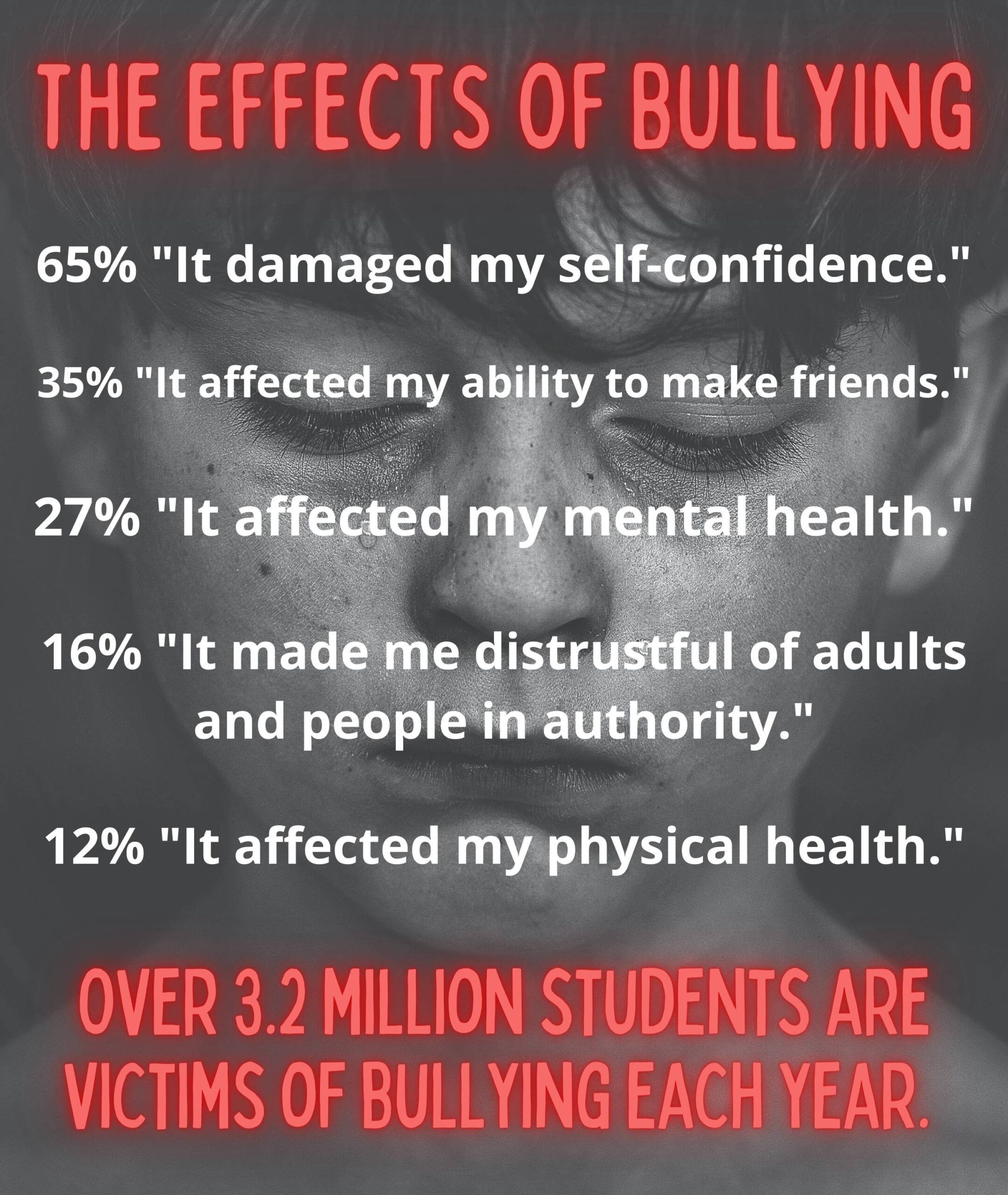
The impacts of physical bullying on victims are profound, affecting both mental and physical health. Victims may suffer from injuries, anxiety, and a decline in academic performance. Long-term exposure can lead to severe emotional distress. Addressing the consequences of bullying is crucial for the well-being of affected individuals.
Physical Bullying Facts
Statistics and Trends
Current physical bullying facts reveal that a significant percentage of students experience bullying in some form. Studies indicate a decline in reported cases over the years, suggesting increased awareness and intervention. However, bullying trends are constantly evolving, necessitating ongoing vigilance.
Comparison with Verbal Bullying
When comparing physical bullying with verbal forms, it’s clear that both cause harm, but in different ways. Physical bullying often results in visible injuries, while verbal abuse can lead to deep emotional scars. Understanding the nuances between physical and verbal bullying can help tailor appropriate support and intervention strategies.
Verbal Bullying Statistics and Facts
Key Data Points
Exploring verbal bullying statistics and facts reveals that verbal abuse is more prevalent than its physical counterpart. It’s often underreported due to the lack of tangible evidence. Data shows that verbal forms of bullying can lead to severe psychological effects, just as damaging as physical assaults.
Implications for Support
Given the prevalence of verbal bullying, there’s an urgent need for robust support systems. By recognizing the signs of verbal bullying, educators and parents can intervene earlier. Providing a safe space for victims to express themselves can significantly mitigate the effects of bullying, whether verbal or physical.
Key takeaways: Understanding and addressing both physical and verbal bullying are essential for fostering safe environments. By recognizing the signs and impacts, we can intervene effectively and support those in need. Let’s work together to create a world where bullying is not tolerated, and support is readily available for everyone.