Harassment charges carry more weight than many people realize. Is harassment a felony or a misdemeanor? The answer depends on the state, the pattern of behavior, and whether aggravating factors like threats, stalking, or protected class targeting are involved. Getting clear on this matters, whether you are a victim seeking protection or someone who has been charged.
What happens when you get charged with harassment typically unfolds through arrest, arraignment, and either plea resolution or trial. Felony harassment is reserved for the most serious cases — repeated conduct, credible threats, or incidents involving weapons. Harassment charges jail time varies widely depending on classification. What is the punishment for harassment charges ranges from fines and probation on the low end to multiple years of incarceration for felony convictions.
When Harassment Becomes a Felony
Is harassment a felony by default? No. Most first-time harassment offenses are misdemeanors. But several factors elevate the charge. A prior harassment conviction against the same victim is one trigger. Conduct that includes credible threats of violence, harassment targeting someone based on race, religion, or sexual orientation, or behavior involving a minor can all push a charge into felony territory.
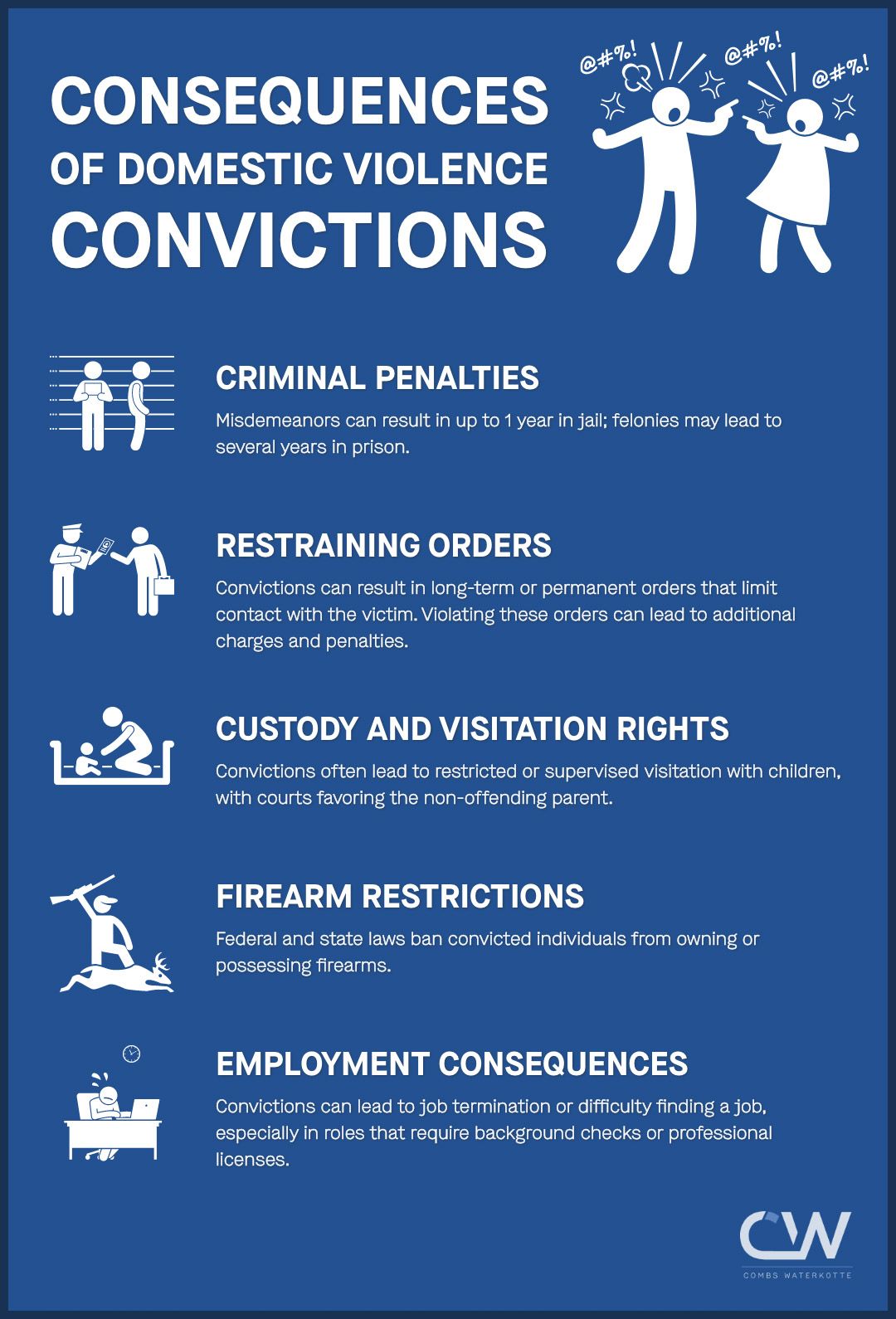
Felony harassment convictions carry lasting consequences beyond jail time. A felony record affects employment, housing, and professional licensing. It can trigger restraining orders that restrict where you live and work. Understanding this distinction is why legal representation matters from the earliest stage.
Victims of felony harassment have access to stronger legal protections, including emergency protective orders and victim advocacy services. Courts take credible threat evidence seriously when it is documented.
What Happens When You Face Harassment Charges
The Legal Process Step by Step What happens when you get charged with harassment begins with an arrest or citation. You will receive a court date for arraignment, where you enter a plea. Your attorney reviews the evidence and identifies defenses. In many misdemeanor cases, diversion or deferred adjudication programs offer an alternative to conviction for first-time offenders.
Harassment charges jail time for misdemeanors typically ranges from a few days to one year in county jail, depending on state law. For felony harassment, sentences can run one to five years or more in state prison.
Penalties and What to Expect
What is the punishment for harassment charges at the misdemeanor level usually includes fines between $500 and $5,000, probation, mandatory counseling, and a no-contact order. The specific sentence depends on the judge, the prosecutor’s recommendation, and any prior record.
Felony harassment sentencing adds prison time and long-term supervision. Restitution to victims may be ordered. The court may require completion of a batterer intervention program or mental health treatment as conditions of supervised release.
Pro tips recap: Document all harassment incidents with dates, screenshots, and witness names — this evidence shapes both the charge classification and the outcome. If you are the one charged, retain an attorney before speaking with police. If you are the victim, contact law enforcement and a victim advocacy organization as early as possible to understand your full range of legal options.