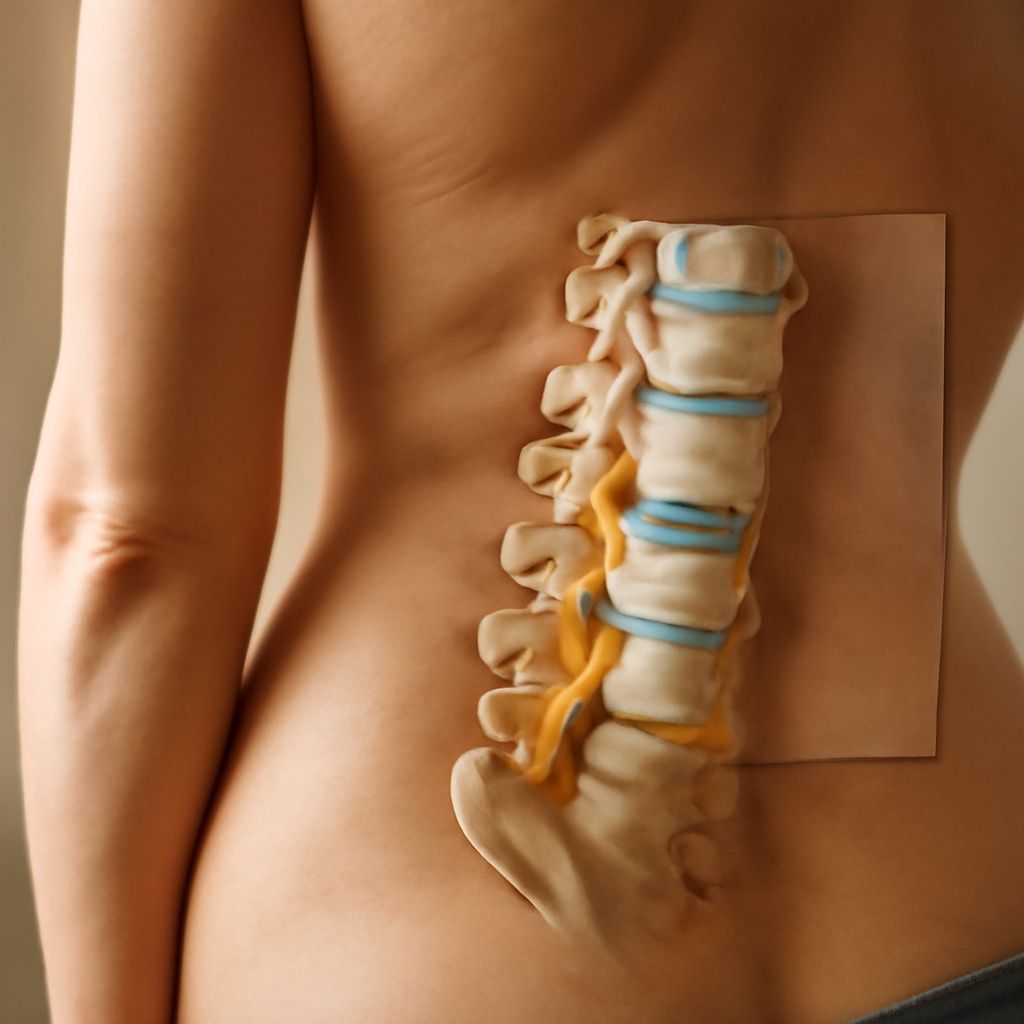
Disc desiccation is a condition that many might not be familiar with, yet it’s crucial to understand, especially for those experiencing back pain. The term “disc desiccation” meaning refers to the drying out of spinal discs, which can lead to significant discomfort. Often referred to as desiccation disc or desiccation of disc, this condition occurs as the discs lose their moisture content and elasticity. With age, the risk of developing this condition increases, making it important for us to recognize the symptoms and explore available treatments.
Understanding what is disc desiccation and its implications is the first step toward effective management. From identifying the root causes to spotting early symptoms and exploring treatment options, this article aims to provide a comprehensive overview of this condition that affects the spine.
Disc Desiccation Meaning
Disc desiccation meaning is essentially the process where spinal discs lose their hydration over time. The intervertebral discs, located between the vertebrae, play a key role in cushioning the spine and allowing flexibility. However, when these discs dry out, they become less effective, potentially leading to conditions such as herniated discs or chronic back pain. Desiccation of disc often occurs naturally as part of the aging process but can be exacerbated by lifestyle factors.
Causes of Disc Desiccation
The causes of disc desiccation are varied but can generally be attributed to both intrinsic and extrinsic factors. Aging is the most common intrinsic factor, as the body’s ability to retain moisture decreases over time. Additionally, genetic predisposition can play a role in how early or severely one might experience disc desiccation.
On the extrinsic side, lifestyle factors such as smoking, poor nutrition, and lack of exercise can accelerate the desiccation process. Engaging in activities that place excessive stress on the spine, like heavy lifting or prolonged sitting, can also contribute to early onset of what is disc desiccation. Understanding these causes is vital in preventing or slowing the progression of the condition.
Symptoms and Diagnosis
The symptoms of disc desiccation can vary, but common signs include persistent back pain, stiffness, and reduced flexibility. In some cases, individuals may experience numbness or tingling in the extremities, which could indicate nerve involvement. Diagnosing desiccation of disc typically involves imaging studies, such as MRI or X-rays, which can reveal the extent of disc dehydration.
It is important to consult a healthcare professional if you suspect any symptoms associated with desiccation disc. Early diagnosis can significantly improve the management and outcome of the condition.
Treatment Options
Treatment for disc desiccation focuses on managing symptoms and slowing the progression of the condition. Physical therapy is a common approach, emphasizing exercises that strengthen the muscles supporting the spine. In some cases, medications such as anti-inflammatories or muscle relaxants may be prescribed to alleviate pain and discomfort.
For more severe cases, surgical interventions might be considered, although these are typically reserved for when conservative treatments fail. Additionally, lifestyle modifications, including maintaining a healthy weight, quitting smoking, and regular exercise, can help manage the symptoms and prevent further deterioration of desiccation disc.
Pro tips recap: Disc desiccation, often a result of aging, can be managed through early diagnosis and a combination of treatments. By understanding the disc desiccation meaning and adopting a proactive approach to spine health, we can mitigate its impact. Always consult with healthcare professionals before starting any treatment regimen, especially if considering invasive procedures. Remember, prevention and education are key in combating the effects of this condition.