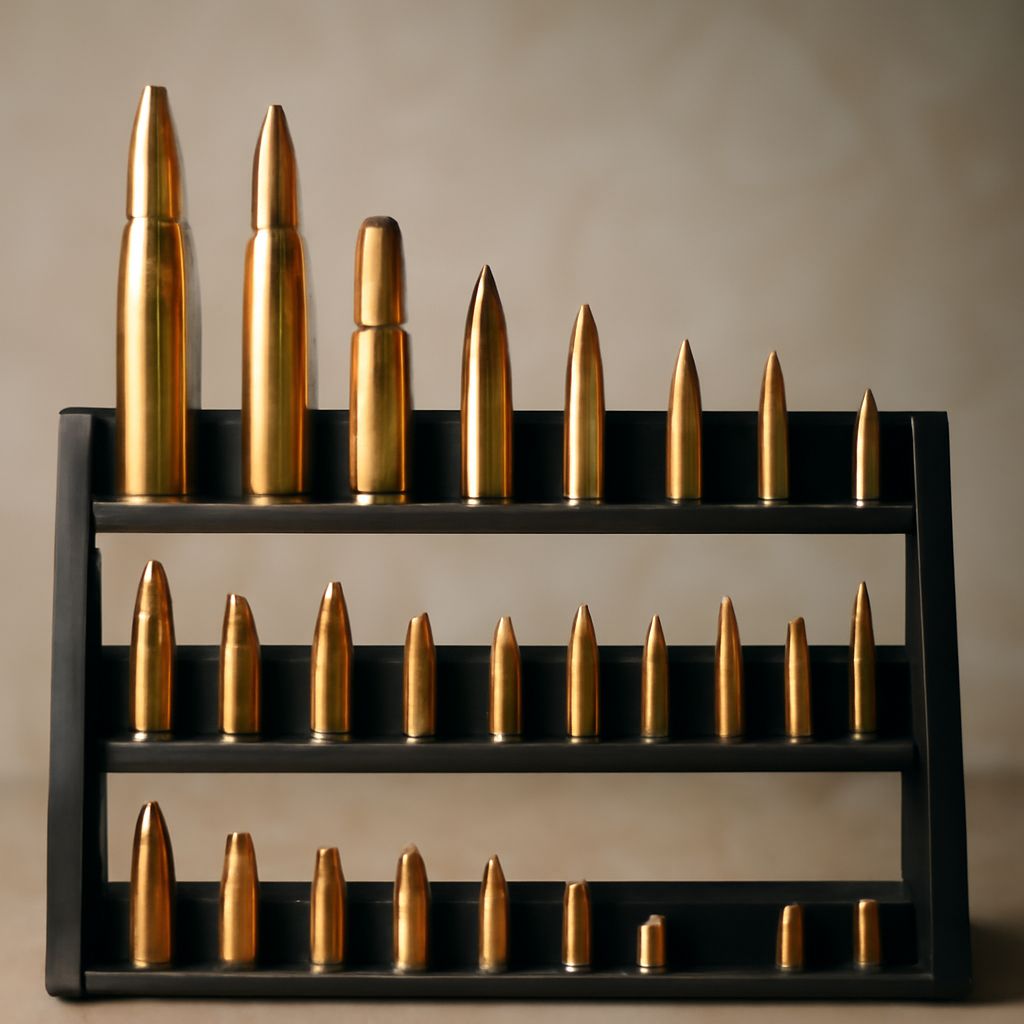
The realm of firearms can be a complex one, especially when it comes to understanding bullet sizes and calibers. For enthusiasts and professionals alike, comprehending the various bullet sizes is essential to ensure optimal performance and safety. This guide aims to demystify bullet calibers, providing clarity on how bullet sizes in order impact the effectiveness of firearms.
With the growing interest in firearms for sport, hunting, and self-defense, a detailed understanding of the bullet sizes can significantly enhance both the user experience and safety. Let us explore the intricacies of bullet calibers, ensuring you have the knowledge needed to make informed choices.
Understanding Bullet Sizes
Bullet sizes are often a subject of confusion, mainly due to the multitude of terms and measurements used. In essence, a bullet’s size is determined by its diameter and length. These dimensions are crucial for understanding how a bullet will behave once it is fired. Smaller bullet sizes generally mean less power and range, while larger sizes typically indicate greater stopping power and distance.
Furthermore, knowing the bullet sizes in order helps in selecting the right ammunition for specific firearms. For instance, handguns might use smaller calibers like .22, while rifles could require larger sizes such as .308 or .30-06. Understanding these differences is critical for matching the ammunition to the intended use, whether it be for target practice or hunting.
Exploring Bullet Calibers
Bullet calibers define the diameter of the bullet and, by extension, the barrel of the gun it is intended for. This measurement can be in either inches or millimeters, depending on the region or style of firearm. For example, a .45 caliber bullet has a diameter of 0.45 inches, while a 9mm bullet is 9 millimeters in diameter.
Choosing the appropriate bullet calibers involves considering the purpose of the firearm. A larger caliber generally offers more stopping power, making it suitable for hunting large game or self-defense scenarios. On the other hand, smaller calibers, with their reduced recoil and higher accuracy, are ideal for competitive shooting or small game hunting.
Bullet Sizes In Order
Understanding bullet sizes in order can be a daunting task, particularly for newcomers. However, it is essential for ensuring compatibility with your firearm. Bullet sizes range from the smallest, like the .17 HMR, to larger calibers such as .50 BMG. When choosing ammunition, it’s vital to consider the firearm specifications and the intended use.
To simplify this process, many resources provide charts and guides that list common bullet sizes in order. These references can assist in ensuring that the chosen ammunition is appropriate for your firearm, enhancing safety and performance.
When handling ammunition and firearms, safety is paramount. Always ensure that you are using the specified bullet sizes for your firearm, and practice safe handling procedures to prevent accidents.
Bottom line: Understanding bullet sizes and calibers is essential for anyone involved with firearms. By familiarizing ourselves with the nuances of bullet sizes in order, we can make informed decisions that enhance safety and accuracy. Stay informed and practice responsible firearm usage.