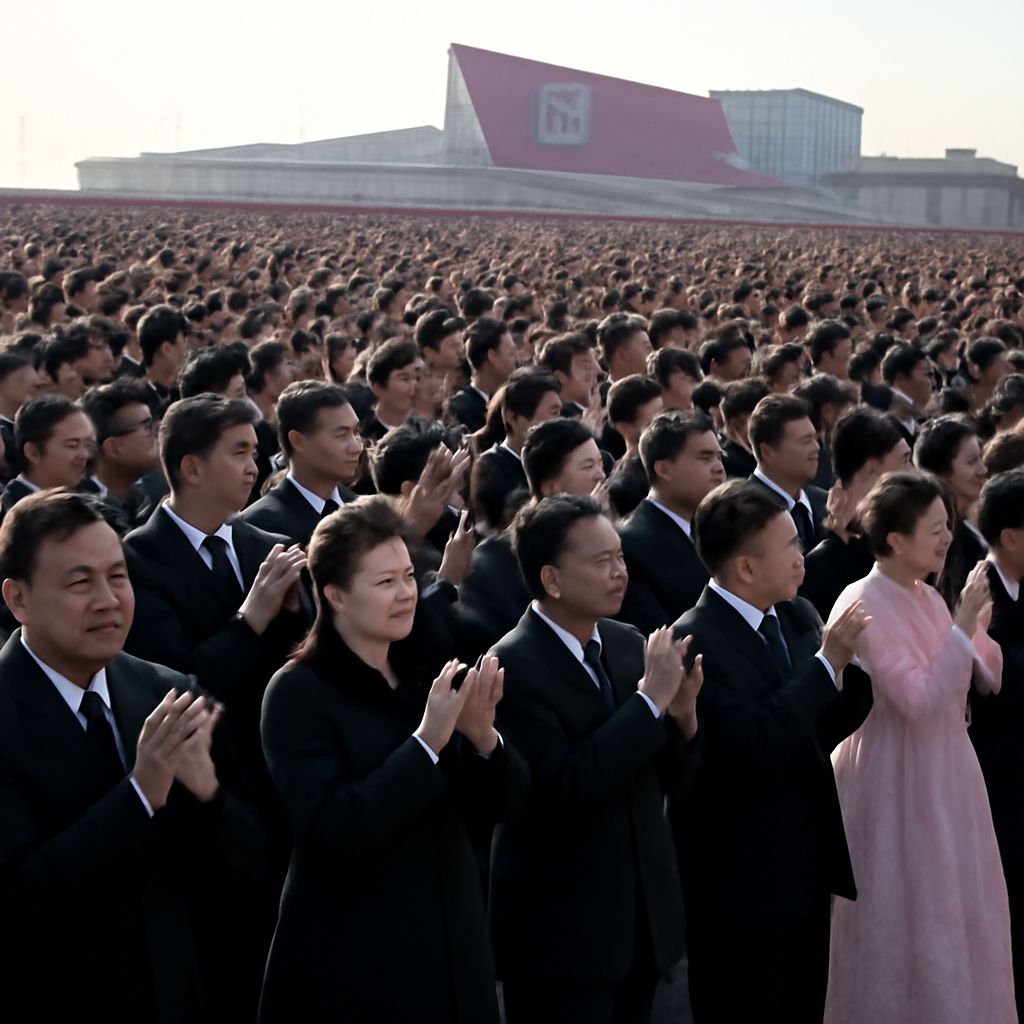
What is life like in North Korea? For many of us, the mere thought of living in a country as isolated and secretive as North Korea evokes curiosity and concern. As we explore what it is like to live in North Korea, we seek to uncover the realities of daily existence under a regime that controls many facets of life. Despite the challenges faced by its citizens, North Korea remains a nation shrouded in mystery, where daily life is tightly regulated and the government plays a profound role in shaping society.
Daily Life and Routine
Living in North Korea means adhering to a structured daily routine. The government dictates many aspects of life, including where individuals work and live. State-assigned jobs are the norm, and workers often find themselves in industries supporting national goals. Even leisure activities are monitored and influenced by state-sanctioned organizations, making every part of personal life feel overseen.
Despite these restrictions, there is a unique rhythm to life inside North Korea. People engage in community activities and share a strong sense of collective identity, often centered around the principles of Juche, or self-reliance. This philosophy permeates many aspects of daily life, from the type of food available in state-run shops to cultural norms and social expectations.
Government Control and Influence
The government of North Korea exercises extensive control over its citizens, influencing everything from education to communication. The media is state-controlled, with content carefully curated to promote nationalistic pride and loyalty to the regime. In schools, children are taught to revere their leaders and often participate in choreographed displays of patriotism.
Moreover, communication with the outside world is severely limited. Internet access is restricted to a select few, and international phone calls are closely monitored. This pervasive surveillance creates an atmosphere where citizens are cautious and often rely on state-approved narratives for information about the wider world.
Challenges and Hardships
Life in North Korea is not without its hardships. The nation faces ongoing economic difficulties, which impact the availability of basic necessities. Food shortages are not uncommon, and many families rely on limited rations distributed by the state. These shortages highlight the stark reality of living under an isolated regime.
Furthermore, the political landscape adds layers of complexity to these challenges. The threat of punishment for dissent is ever-present, leading to an environment where self-censorship is a survival tactic. Citizens must navigate these hardships with resilience and a deep understanding of the unwritten rules that govern their daily interactions.
Cultural and Social Aspects
Despite the challenges, North Korea has a rich cultural tapestry. Traditional music, dance, and art play important roles in social life, often serving as outlets for expression under a regime that limits individuality. Festivals and events are organized to reinforce cultural heritage and foster a sense of community among citizens.
In addition, family ties are strong, providing a support network amidst the challenges of state control. Social gatherings and communal activities often revolve around shared cultural practices, offering moments of respite and connection.
Safety recap: When discussing the realities of life inside North Korea, it’s crucial to approach with empathy and awareness of the constraints under which its people live. While tools or color care weren’t central to our discussion, understanding the sensitivities surrounding these topics helps us better appreciate the resilience of North Korea’s citizens.