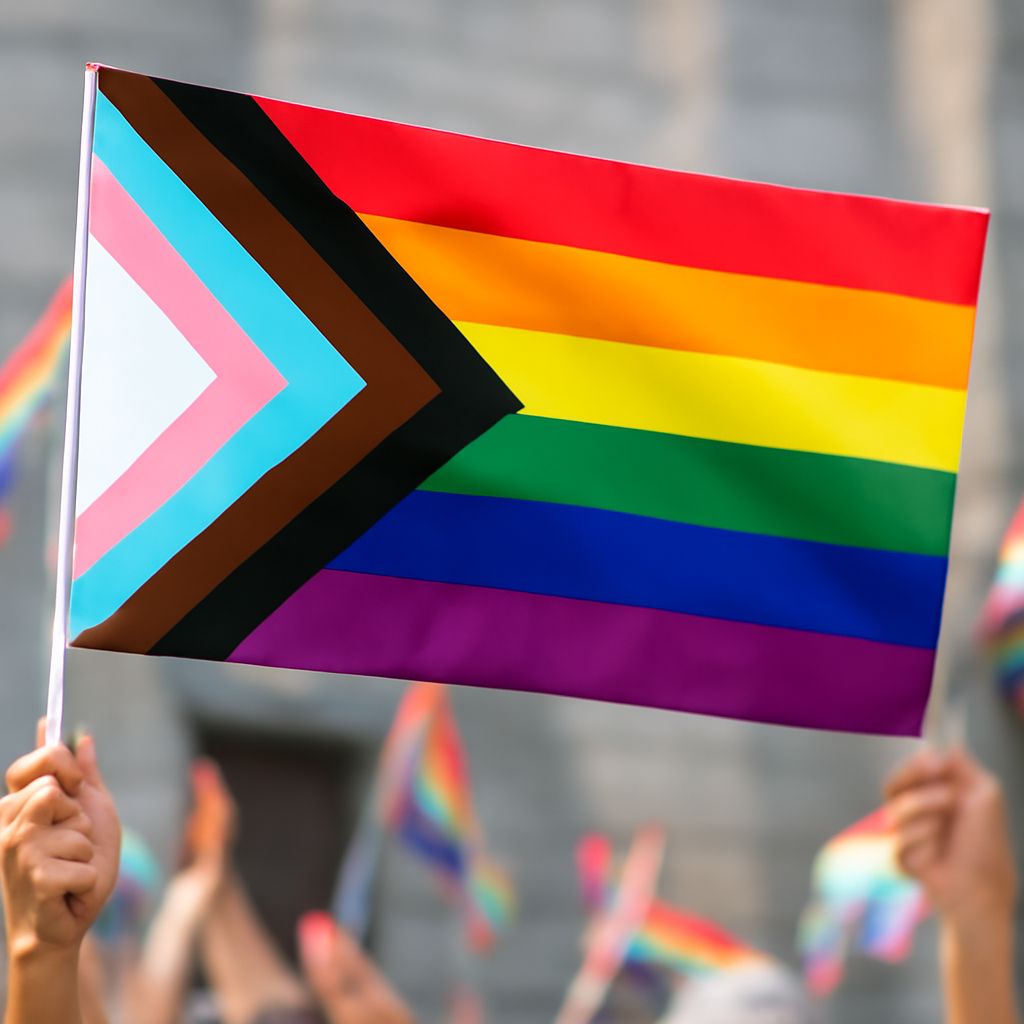
In a world striving towards inclusivity and acceptance, symbols play a crucial role in representing diverse identities. LGBTQ flags have long been symbols of diversity, embodying the spirit and struggle of the LGBTQ community. As new pride flag designs continue to emerge, they serve as beacons of hope and inclusion, fostering unity among people from all walks of life. By exploring the evolution of these flags, we can deepen our understanding of their significance and role in battling discrimination.
With each new iteration, pride flags highlight the dynamic nature of the LGBTQ community, reflecting contemporary issues and expanding our appreciation of varied identities. Understanding the meaning behind different pride flags not only honors diversity but also promotes empathy and solidarity.
The Evolution of LGBTQ Flags
Since the creation of the original rainbow flag by Gilbert Baker in 1978, LGBTQ flags have undergone significant transformations. Initially comprising eight colors, each symbolizing a different aspect of life and spirit, the flag was designed as a powerful statement of pride and diversity. Over the years, new pride flag designs have been introduced to represent a wider spectrum of identities and causes.
These adaptations, including the addition of colors and symbols, reflect the community’s response to social changes and the need for more inclusive representation. As the LGBTQ movement evolves, so too do its flags, mirroring the ongoing journey towards equality and acceptance.
Understanding the New Pride Flag
The introduction of the new pride flag has brought attention to the need for a more inclusive symbol. This redesigned flag incorporates additional stripes to represent marginalized groups within the LGBTQ spectrum, such as people of color and the transgender community. The new pride flag serves as a reminder of the importance of intersectionality in the fight for equality.
By acknowledging the struggles faced by these groups, the new pride flag emphasizes that the LGBTQ community is not a monolith but a tapestry of varied experiences and identities. Embracing this diversity is crucial in building a more inclusive society.
Different Pride Flags and Their Meanings
Diverse pride flags symbolize the distinct identities and causes within the LGBTQ community. From the bisexual pride flag with its pink, purple, and blue stripes, to the transgender pride flag featuring light blue, pink, and white, each flag tells a unique story.
- Bisexual Flag: The blending of pink and blue symbolizes the attraction to both the same and different genders.
- Transgender Flag: The symmetry of the colors represents the journey to finding one’s true identity.
- Asexual Flag: Black, gray, white, and purple stripes represent a spectrum of asexuality.
These flags and many others highlight the rich diversity within the LGBTQ community, reminding us of the importance of recognition and inclusion for all identities.
The Role of Flags in Fighting Discrimination
LGBTQ flags serve as powerful tools in the fight against discrimination. By displaying these symbols in public spaces, we reinforce the message that everyone deserves equal rights and acceptance. Flags function not only as representations of identity but also as declarations of support for the ongoing struggle for justice and equality.
Rallying behind these flags fosters a sense of community and solidarity, encouraging collective action towards dismantling prejudice and promoting understanding.
Next steps: Let us continue our support for the LGBTQ community by proudly displaying these flags, engaging in conversations about their meanings, and advocating for equal rights for all. Safety note: When handling flags with sharp attachments, ensure proper handling to prevent injuries.