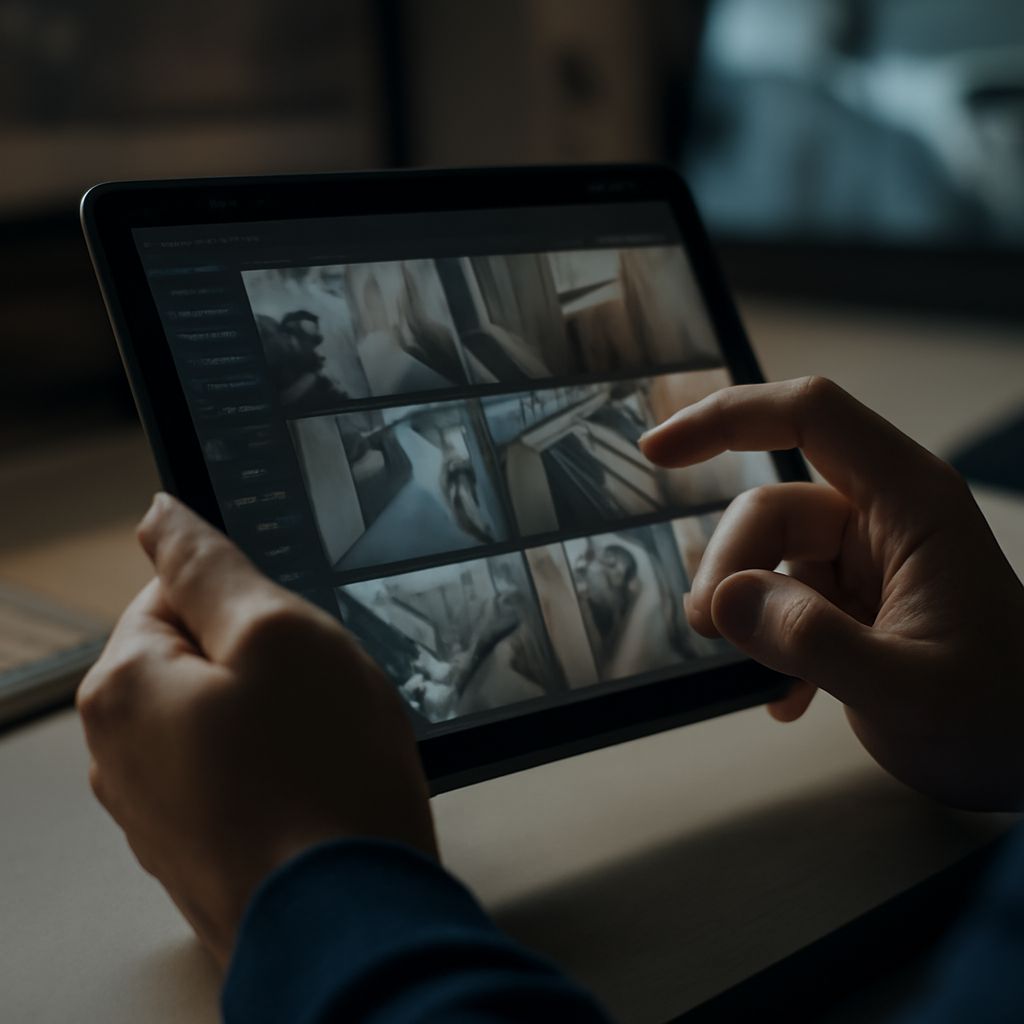
Whether recording someone on video without permission is illegal depends on the circumstances and the law that applies. Before filming, consider where the person is, whether the setting gives them a reasonable expectation of privacy, and whether your device will capture sound. The rules for videotaping a person without their agreement can differ between a public sidewalk and a private room.
Is It Illegal to Videotape Someone Without Their Consent in Public?
In a public place, a person generally has less privacy in activities plainly visible to others. Filming a street scene from a public sidewalk is different from aiming a camera into a private room. Even in public, the location, the subject of the recording, and any sound captured can matter. Restrictions on trespass, harassment, or interference may also be relevant to the situation.
The American Civil Liberties Union’s guide to recording in public explains that people lawfully present in public spaces generally have protection to record what is in plain view, including officials performing public duties. It also notes that private property owners can set rules for filming on their property. Local rules and the facts of an encounter still matter.
If you want to film an event in a park, check whether it is a public area and whether a permit or event rule applies. Consider who may appear in the background and whether their conversations could be captured. Ask permission when practical, and avoid following someone who wants to leave or placing the camera where it intrudes on a private activity.
Private Places and Expectations of Privacy
A home, bathroom, changing area, or medical treatment room raises different concerns from an open sidewalk. The person being recorded may reasonably expect privacy because of the activity, the setting, or both. Ownership of a camera or access to a building does not by itself settle whether recording is allowed.
For example, a guest invited into a home should not assume that permission to enter includes permission to record people inside. A store open to customers is privately owned, and the owner may have rules about recording. A workplace may have its own policies as well as legal obligations that depend on the location and circumstances.
Is it illegal to videotape someone without their consent? The answer can depend on how the camera is positioned and what it captures. Recording a person through a window or in a place used for changing clothes raises serious privacy concerns. If you are considering a camera in a shared space, discuss its purpose and location with the people affected and check the applicable rules before installing it.
Sound Can Change the Analysis
Video devices often record conversations as well as images. Laws governing audio interception may apply separately from rules about visual recording, and requirements vary by jurisdiction and circumstances. A public location does not automatically answer whether a particular conversation can be recorded: the speakers’ expectation of privacy and the applicable law matter.
Before using a camera, check whether its microphone is active and what it may pick up. Turning off sound changes what you collect, but it does not resolve every question about the video itself. If people are in different states or a recording involves a phone or online conversation, ask a qualified professional which laws may apply.
The Reporters Committee’s state recording guide provides a starting point for researching rules on conversations. It is designed for newsgathering and explains that it is not a substitute for legal advice. Use it to identify questions, then check current official statutes and any relevant local rules.
Recording and Sharing Are Separate Questions
Can you video record someone without their consent and then post the footage? The answer to recording does not automatically answer whether you may publish, distribute, or use the material. Sharing footage may reveal private information, identify a person seeking help, or expose someone to unwanted attention. Other legal rules and platform policies may apply to publication or use.
Before sharing, consider the purpose and the effect on the people shown. You can ask for permission, remove identifying information where appropriate, or choose not to share. If you recorded a possible incident and want to provide it to an organization, ask the organization how to submit it securely and what it will do with the file.
If someone recorded you and you are concerned, note where and when it occurred and preserve any message or link showing how the footage was used. You may ask the person or platform to remove it, contact the property manager, or seek advice from a local legal aid organization. If the situation involves threats or immediate danger, contact appropriate emergency services.
Check the Rules for Your Situation
When asking is it illegal to video record someone without their consent, look for the rules that apply to the location and conduct involved. State legislatures publish statutes online, and local governments or public facilities may publish their own rules. Look for provisions on video surveillance, privacy, audio recording, and use or disclosure of recordings. An attorney or legal aid service can help interpret them in context.
Before you record, ask:
- Where are you and the other person? Is the place public, privately owned, or restricted?
- What privacy would be expected? Does the setting or activity make privacy especially important?
- Will sound be captured? Could the device record a conversation as well as images?
- What rules apply? Check current state law, local requirements, and property policies.
- What will you do with the footage? Consider separate questions about storage and sharing.