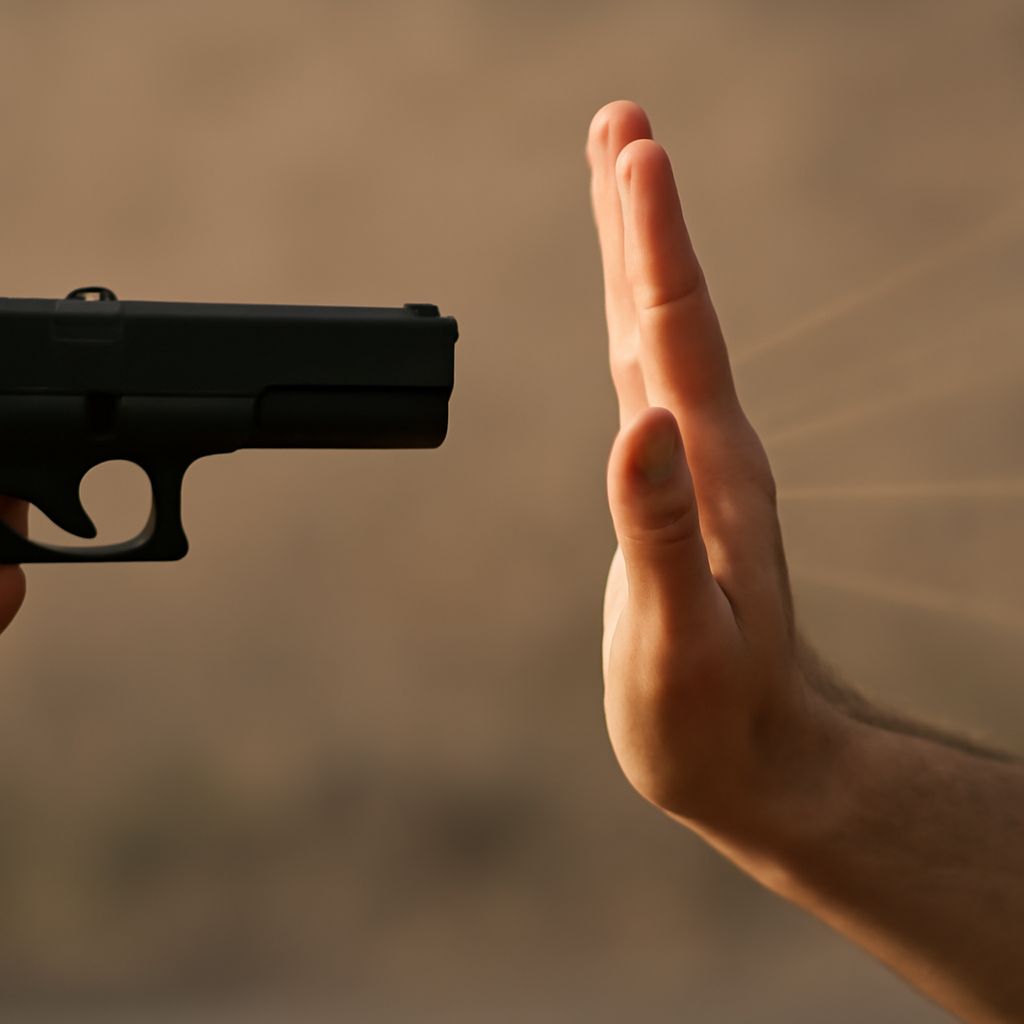
What can a community do to reduce firearm injuries and deaths? It can examine where and how harm occurs, involve people affected by it, and choose prevention efforts suited to local needs. Solutions for gun violence can include outreach, health services, changes to community spaces, and policies. Each proposed response to gun violence needs to be assessed for its evidence, implementation, and effects.
Solution to Gun Violence: Start With the Problem
Gun violence includes different circumstances, including assaults, suicide, and unintentional injuries. An approach designed to interrupt a conflict between groups may address a different need from a program intended to prevent suicide. Local information can help identify which problems are most urgent and who should be involved in planning.
A public health approach starts by describing the harm, examining the conditions associated with it, and evaluating possible responses. The Centers for Disease Control and Prevention describes collaboration among public health, education, social services, government, and other partners. Residents and people affected by violence can help identify whether a proposed service is accessible and responsive to their concerns.
Data should be interpreted alongside lived experience. A hospital may see injuries that do not appear in the same way in police records, while residents may know about conflicts or barriers to services that numbers alone cannot explain. Each source has limits, and personal information should be protected when organizations share data.
Community Outreach and Support
Some community violence intervention programs employ trained outreach workers who build relationships with people at risk of involvement in violence. Workers may help address conflicts and connect participants with services such as employment assistance, housing, or counseling. The program’s design, staffing, and relationships with local organizations influence what it can offer.
Evidence for particular programs should be read closely. A National Institute of Justice evaluation of CeaseFire-Chicago, published in 2008, found decreases in shooting hot spots at several sites, but the evidence linking those changes to the intervention was inconclusive at some sites. That result is a reason to ask which outcomes were measured, where the program operated, and how researchers made comparisons before applying its findings elsewhere.
Another solution to gun violence may involve support after a person is treated for an injury. Hospital-based programs can connect patients with advocates or services as they recover. The CDC’s community violence prevention review describes promising but mixed findings for violence outcomes and notes that some evaluations are small. A community considering such a program can ask how referrals will work after discharge and whether participants can actually access the services offered.
Address Conditions That Shape Risk
Prevention can also focus on the settings in which people live. Programs may improve neglected public spaces, support young people through mentoring, or connect families to economic assistance. These strategies address different conditions and should be judged against their own goals. A program that increases participation in mentoring, for example, has measured a different outcome from a program that demonstrates fewer firearm injuries.
The CDC’s prevention review summarizes research on several approaches, including improvements to vacant spaces. When considering those findings locally, ask who will maintain a site, whether residents want the change, and whether similar resources were available in the place studied. A successful result in one neighborhood does not establish the same effect everywhere.
Policies and health services are also discussed as ways to reduce different kinds of firearm harm. They can include measures intended to limit access during periods of elevated risk and services that connect people with care. Legal requirements and available services differ by jurisdiction, so an organization considering an approach should consult current local rules and qualified professionals. Evaluations should examine both intended benefits and any burdens or unintended effects.
What Should Be Measured?
When comparing gun violence solutions, distinguish activity from outcomes. The number of outreach contacts tells you how much work occurred; changes in fatal and nonfatal shootings tell you more directly about the harm the program aims to prevent. Other relevant measures may include access to services, participant retention, community trust, and whether support reaches the people it was designed to serve.
Ask what happened before the program began and what happened in a comparable area or group over the same period. A decline after a program starts is encouraging, but other changes may have occurred at the same time. Stronger evaluations use a comparison and explain how they handle differences between groups. Also check whether results lasted beyond the initial period and whether the study reports uncertain or unfavorable findings.
Reducing gun violence in America requires attention to local variation. A citywide trend can hide differences between neighborhoods, and a small area may have too few events for a short-term comparison to be reliable. Researchers and community partners can agree in advance on measures, reporting periods, and safeguards for privacy.
Questions to Ask Before Choosing an Approach
Use this short checklist when reviewing proposals to prevent firearm violence in the United States:
- Need: What type of harm and which community does the proposal address?
- Evidence: What outcomes were measured, and was there a meaningful comparison?
- Fit: Are the people, resources, and conditions in the study similar to those locally?
- Delivery: Who will do the work, how will people access support, and how will it be funded?
- Accountability: How will results, unintended effects, and community feedback be reviewed over time?