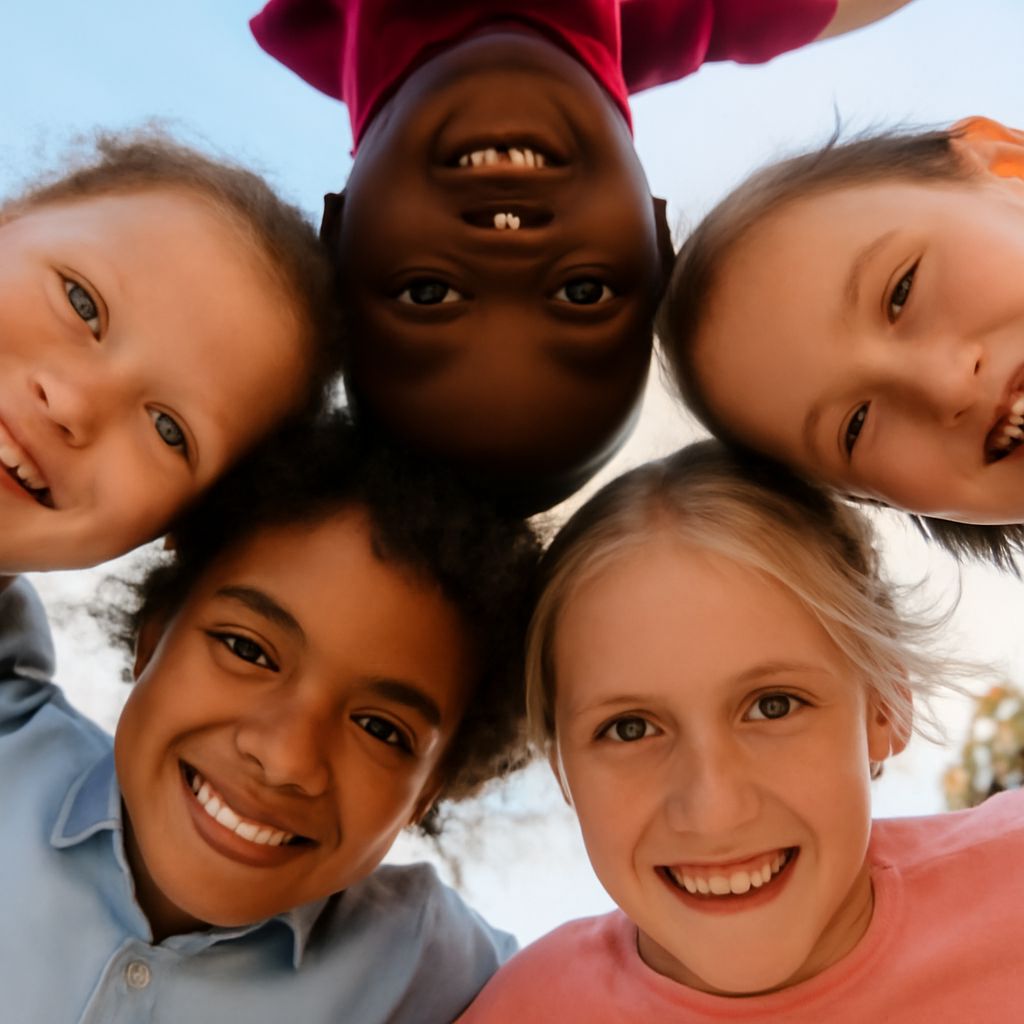
What is the difference between cultural diversity and multiculturalism? Cultural diversity describes the presence of people with different cultural backgrounds in a group or society. Multiculturalism is an approach to living and participating together that recognizes those differences. A culturally diverse community may include many languages and traditions; its approach to multicultural participation concerns how people can take part in shared life.
Diversity and Multiculturalism in Practice
A school may have students whose families speak several languages at home. That mix is an example of cultural diversity. The school’s decisions about communication and participation show an approach to multiculturalism: it might translate important notices, offer interpretation at meetings, and ask families how they prefer to receive information.
The distinction matters because people can be present without having the same opportunity to contribute. A meeting held only in one language may be difficult for some families to follow. Providing interpretation and sending an agenda ahead of time can help more people understand the choices being discussed and ask questions. Families still have different preferences, so a school can invite feedback rather than assume every household needs the same arrangement.
Diversity and multiculturalism are related, but they describe different things. One describes who and what is present; the other concerns the ways a community recognizes cultural differences and organizes participation. Approaches vary between places, and people may disagree about how to apply them in a particular setting.
What Does Culture Include?
Culture can include language, traditions, shared history, beliefs, food, art, and ways people understand family or community. It can change over time and be shaped by migration, family experience, religion, region, and many other influences. A person may identify with several cultural communities or describe their identity differently from someone else with a similar background.
Multicultural diversity is therefore visible in more than festivals or food. It can appear in the languages used to communicate, the holidays people observe, or the experiences they bring to a discussion. Those examples are starting points for learning about individuals, not reliable shortcuts for predicting what any particular person believes or needs.
If you are organizing an event, ask participants what would make it easier to attend. Questions about timing, accessibility, language, and food can reveal needs that are easy to overlook. Offer a way to respond privately, and explain which requests you can accommodate. People can then decide what they wish to share.
At School and at Work
A teacher working with a culturally varied class might choose materials that include different perspectives and invite students to discuss them. The teacher can also make room for students to participate without asking any one child to speak for an entire group. A student may want to share a family tradition, or may prefer not to; either choice can be respected.
At work, a team may include people with different first languages and experiences. A manager can make expectations clear in writing, allow time for questions, and check whether meeting schedules unnecessarily conflict with important commitments. When feedback is invited, the manager can explain what will happen with it and report back on changes. These practices make it easier for team members to understand decisions and contribute their knowledge.
Multiculturalism and diversity can also be discussed when a workplace reviews who takes part in decisions. For example, an employer might ask whether all staff can access training or whether meetings are held only during one shift. The answer can guide a practical change, such as offering the same information at more than one time. After trying a change, the team can ask whether people were able to use it and whether another barrier remains. The response may suggest a further adjustment.
In a Neighborhood or Community Group
Consider a neighborhood association planning changes to a shared park. Its residents may represent a range of cultures and languages, which is part of the area’s cultural variety. A multicultural approach might include translated notices, an interpreter at the meeting, and several ways to comment. The group can then publish a summary of what it heard and explain how those comments shaped the proposal.
The goal is meaningful participation in a decision that affects everyone using the park. An invitation alone may be hard to act on if the meeting conflicts with work hours or the venue is inaccessible. Providing an online option, child care, or a second meeting may address a specific barrier if residents say those changes would help.
Community members can bring different views even when they share a language or heritage. Ask open questions and allow people to speak for themselves. When a disagreement arises, explain the decision process and the constraints, then listen to the reasons behind each proposal. That makes the discussion more concrete than relying on assumptions about a group’s preferences.
Does Recognizing Difference Mean Treating Everyone Differently?
Recognizing cultural differences means paying attention to barriers and preferences that affect participation. Sometimes the same information can be offered in different languages or formats so that more people can use it. The aim is to give people a fair chance to understand and contribute while respecting their individual choices.