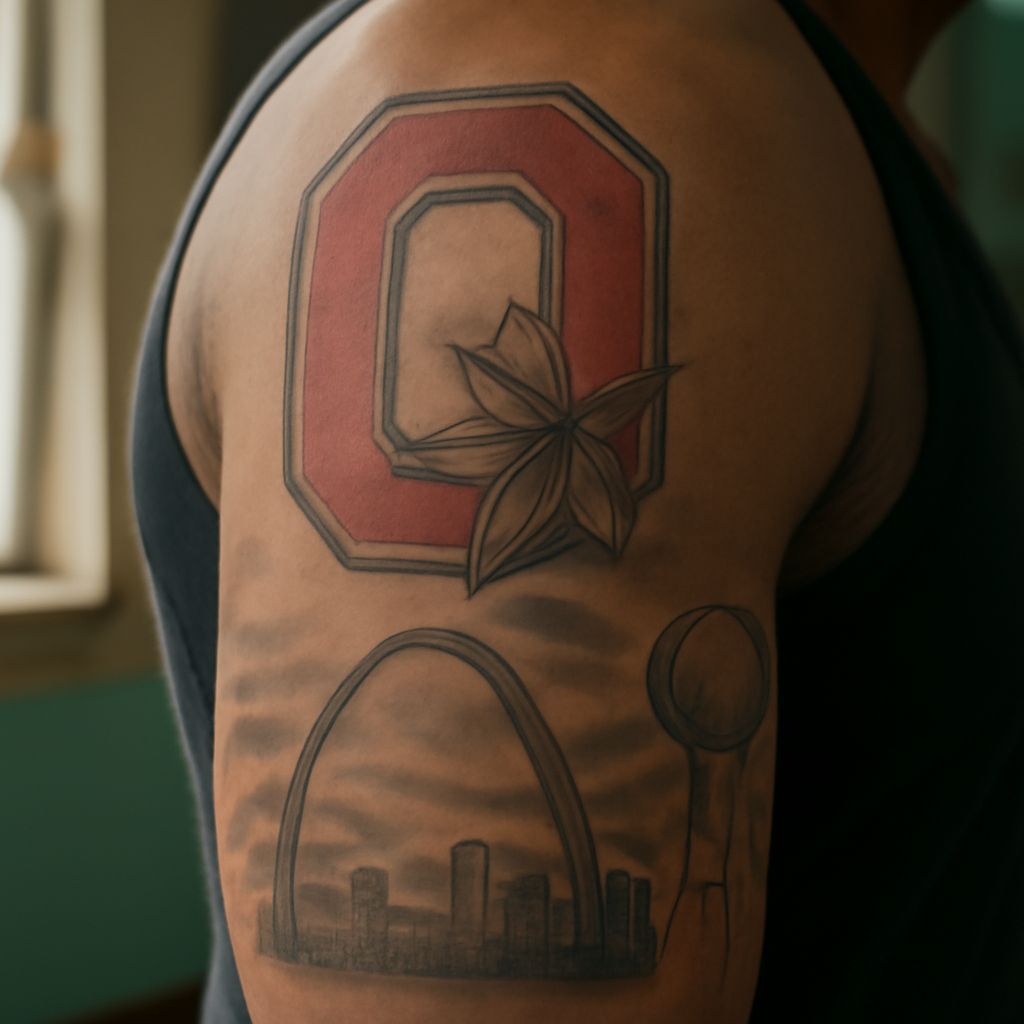
A domestic violence tattoo is worn by survivors and advocates as a visible statement of survival and solidarity. Ezekiel Elliott domestic violence allegations surfaced in 2016 when his former girlfriend accused the NFL running back of physical abuse during their relationship. Ezekiel Elliott domestic abuse accusations prompted a lengthy NFL investigation and eventual suspension. The ezekiel elliott abuse case drew national attention to how professional sports leagues handle domestic violence among players. Ezekiel elliot domestic violence accusations — note: the public frequently misspells the name — underscored ongoing debates about athlete accountability and league policy. Survivor-focused awareness, including the domestic violence tattoo movement, positions itself as the necessary counterweight to institutional minimization.
We address both the symbolic and institutional dimensions of this conversation.
The Domestic Violence Tattoo Movement
A domestic violence tattoo typically features the purple ribbon associated with domestic abuse awareness, though designs vary widely. Survivors get these tattoos as acts of reclamation — marking their bodies with choice after experiencing harm. Domestic violence tattoo art has become part of broader survivor identity communities on social media platforms where people share their stories and visual symbols of resilience.
Artists who specialize in domestic violence tattoo designs often donate a portion of their fees to local shelters. The movement connects individual healing with public advocacy in tangible form.
Ezekiel Elliott Domestic Violence: What Happened
The ezekiel elliott domestic violence investigation lasted over a year. The NFL reviewed over 1,000 pages of evidence and interviewed more than 40 witnesses. The league ultimately suspended Elliott for six games under its personal conduct policy. Ezekiel elliott domestic abuse allegations were disputed by Elliott throughout the process.
The ezekiel elliott abuse case became a reference point in discussions about how sports leagues investigate and penalize domestic violence. Critics argued the league had been inconsistent — applying harsher penalties in the Elliott case than in others while minimizing some accusations. Ezekiel elliot domestic violence coverage raised broader questions about due process, credibility of accusers, and league accountability.
Athletes, Accountability, and Survivor Support
The ezekiel elliott domestic violence case sits within a pattern of high-profile athlete misconduct allegations where institutional response matters enormously. When leagues, teams, and media take domestic violence seriously, they model community norms. When they minimize or delay, they signal that fame protects perpetrators.
Survivors who wear a domestic violence tattoo operate in the same cultural space — insisting that their experience counts and that accountability matters at every level. The domestic violence tattoo community draws together people who have experienced abuse and want visible solidarity with others who understand.
Next steps: If you are experiencing domestic violence, contact the National Domestic Violence Hotline at 1-800-799-7233 for confidential support. If you are interested in the domestic violence tattoo movement as an advocacy tool, many local shelters connect survivors with participating artists. Awareness and action work together.