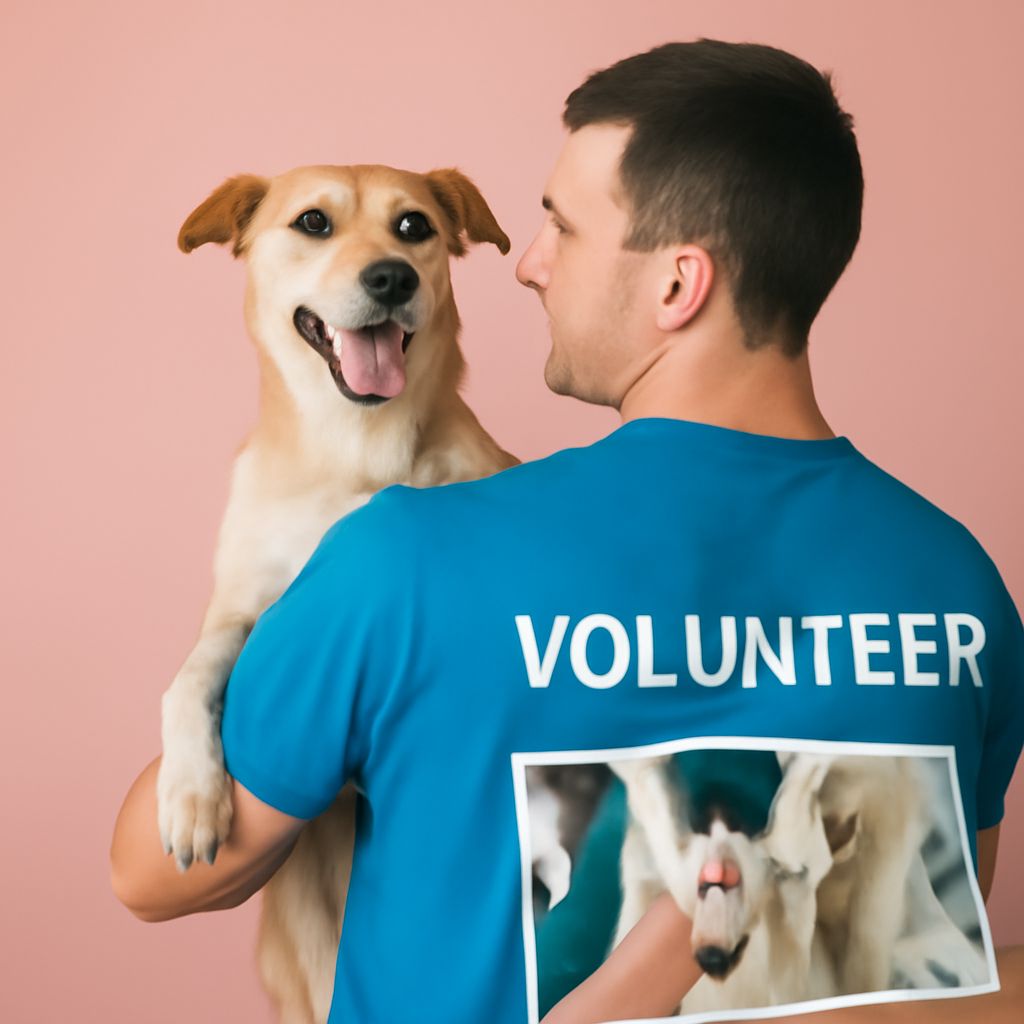
How to Volunteer for Animals: Shelters, Walking, and Rescue
If you love animals and want to give your time meaningfully, becoming a cat volunteer or dog walker at a local shelter is one of the most rewarding options available. Animal shelters run largely on the labor of dedicated volunteers, and without them, many animals would not receive the socialization, exercise, and care they need while waiting for homes. We want to walk through what animal rescue volunteer work involves, what to expect, and how to get started.
Opportunities to volunteer for animals span a wide range of roles. Some people prefer hands-on work with the animals themselves. Others contribute through administrative support, fundraising, transport, or foster care. Whatever your schedule or skill set, there is likely a meaningful role available.
Getting Started as a Cat Volunteer or Dog Walker
Most shelters require volunteers to complete an application, orientation, and sometimes a brief training session before working directly with animals. As a cat volunteer, you might spend time in the cat rooms providing companionship, cleaning enclosures, monitoring health, and helping cats remain comfortable and socialized during their stay. Socialization matters: cats that receive regular positive human contact are more likely to be adopted quickly and to transition smoothly into a new home.
Volunteer dog walking is often the role with the longest waitlists at popular shelters. Dogs need daily exercise, and walking helps reduce stress behaviors like barking, jumping, and destructive activity that can make a dog appear unadoptable. As a shelter dog walker, you provide a critical service that directly improves each dog’s chance of finding a home.
Foster Programs
Foster volunteering is one of the most impactful ways to volunteer for animals. Foster caregivers provide temporary homes for animals recovering from illness or injury, mothers with newborn litters, or animals too young or too stressed to thrive in a shelter environment. Many fosters end up adopting their charges permanently.
Animal Rescue Volunteer Roles Beyond the Shelter
An animal rescue volunteer might work with a rescue organization rather than a municipal shelter. Rescues often operate without physical facilities, relying entirely on foster networks and volunteer labor. Roles include transport driving, event coordination, photography for adoption listings, and outreach.
Volunteers who help at a volunteer cat shelter or similar facility often take on additional tasks that paid staff cannot cover: running social media accounts, updating adoption databases, or coordinating with veterinary offices for appointment scheduling. These behind-the-scenes contributions keep operations running.
Volunteering for animals also means learning to manage your own emotional responses. Shelters can be emotionally demanding environments. Animals come in with difficult histories, and not every story ends happily. Experienced volunteers develop resilience and healthy boundaries while remaining genuinely compassionate.
Finding the Right Opportunity
Start with your local humane society or SPCA website, which typically lists volunteer opportunities and application requirements. Petfinder and Adopt-a-Pet also maintain directories of rescue organizations by geographic area. For volunteer dog walking specifically, some apps now connect dog owners with experienced walkers who also volunteer in shelter contexts.
Bottom line: Whether you sign up as a cat volunteer, commit to volunteer dog walking twice a week, or join an animal rescue volunteer team, your time makes a measurable difference. Shelters depend on community support, and every hour you spend helps an animal find a better life.