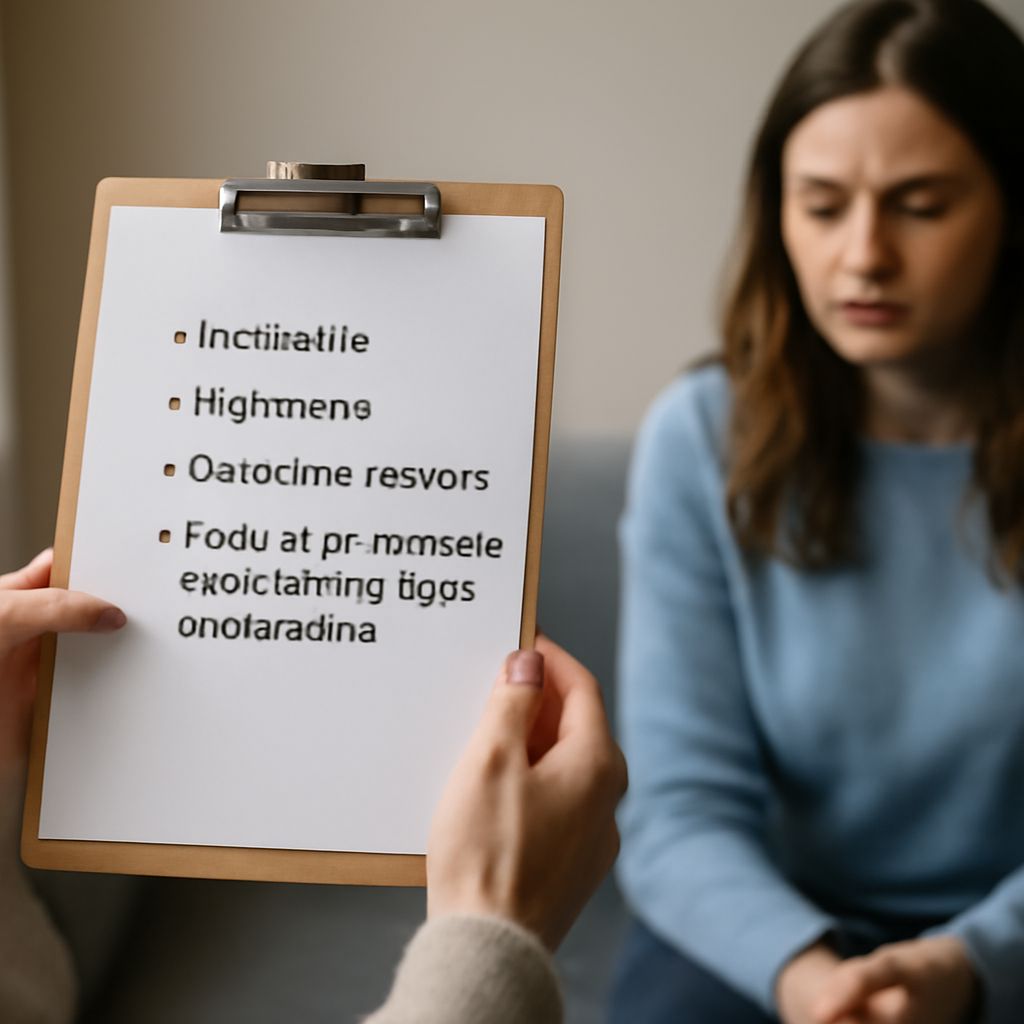
Non Combat PTSD: Causes, Symptoms, and Paths to Recovery
Most people associate PTSD with military service, but non combat PTSD is far more common than many realize. Trauma that occurs outside of war zones, including accidents, abuse, natural disasters, medical emergencies, and assault, can produce the same neurological and psychological responses as combat exposure. We want to explain what non combat PTSD looks like, how PTSD episodes unfold, and what treatment approaches actually help.
Non combat PTSD symptoms follow the same diagnostic criteria as combat-related forms. Intrusive memories, avoidance of reminders, negative shifts in mood and thinking, and heightened reactivity all appear across trauma types. What differs is the specific trigger landscape and sometimes the social support available to survivors.
What Triggers Non Combat PTSD
Civilian trauma is extraordinarily varied. Survivors of sexual assault, childhood abuse, serious car accidents, medical procedures gone wrong, natural disasters, and workplace violence all develop ptsd non combat presentations. First responders, emergency room staff, and journalists who witness repeated suffering over time develop what is sometimes called secondary or vicarious trauma, another pathway to non combat PTSD symptoms.
PTSD in dogs has become a recognized phenomenon, particularly among animals exposed to abuse, neglect, abandonment, or combat alongside military handlers. Veterinary behaviorists describe ptsd in dogs using criteria that parallel human presentations: hypervigilance, avoidance of specific environments or people, exaggerated startle response, and disrupted sleep. Recognizing PTSD in dogs matters because it guides rehabilitation approaches and helps owners understand that certain behaviors are rooted in fear, not disobedience.
How PTSD Episodes Manifest
PTSD episodes can be triggered by sensory cues tied to the original trauma: a smell, a sound, a particular lighting condition, or even a time of year. During an episode, the nervous system responds as though the threat is happening in real time. Heart rate increases, breathing becomes shallow, and the person may dissociate or freeze. These physiological responses are not choices; they are automatic survival mechanisms.
Between episodes, people with ptsd non combat presentations often struggle with sleep disturbances, difficulty concentrating, emotional numbness, and strained relationships. Many avoid situations that carry even a small risk of reminder exposure, which can dramatically shrink the boundaries of daily life.
Treatment and Recovery Options
Evidence-based treatments work for non combat PTSD. Prolonged Exposure therapy guides survivors through gradual, controlled contact with trauma memories and avoided situations until the fear response diminishes. Cognitive Processing Therapy addresses distorted beliefs that developed after the trauma. EMDR uses guided eye movements while the person holds traumatic memories, interrupting the consolidation process that keeps those memories feeling present-tense.
Medications, particularly SSRIs and SNRIs, reduce the intensity of PTSD episodes and improve baseline functioning. They work best when combined with therapy rather than used alone. Support groups offer connection with others who understand the specific texture of civilian trauma, which reduces isolation and shame.
For ptsd in dogs, behavioral rehabilitation typically involves desensitization protocols, positive reinforcement training, and in some cases anti-anxiety medication prescribed by a veterinary behaviorist. The principles overlap significantly with human treatment: gradual exposure, consistent positive experiences, and patience.
Bottom line: non combat PTSD is a legitimate, treatable condition that affects millions of people across every demographic. Whether triggered by an accident, an assault, a medical crisis, or years of cumulative stress, the trauma response is real. Connecting with a trauma-informed therapist is the most effective first step toward reducing the grip that PTSD episodes hold on daily life.