Types of Violence and Abuse: A Clear Overview
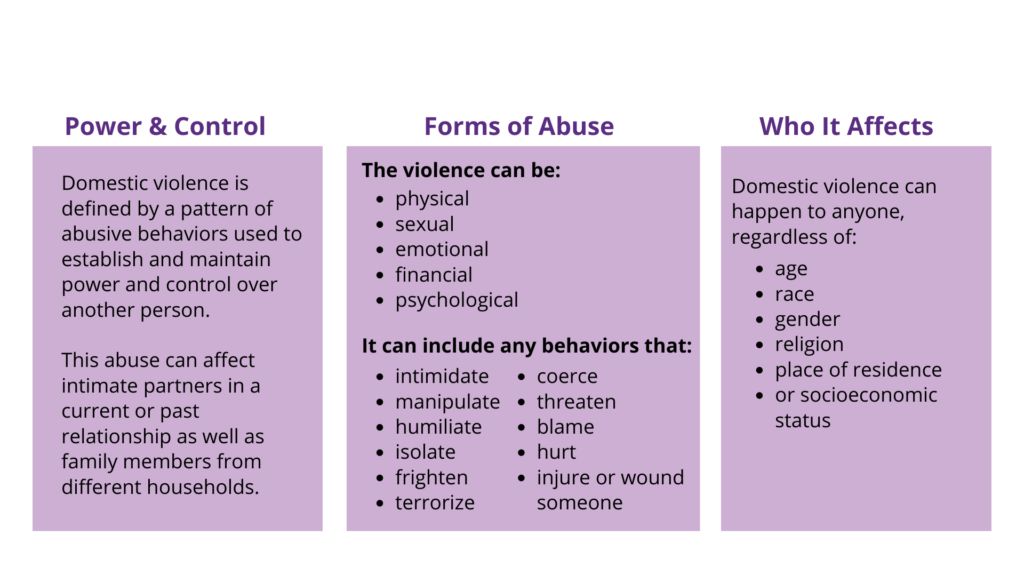
When people talk about violence and abuse, they often picture physical harm. But the range of types of violence is far broader, and understanding that range is essential for recognizing harm in its many forms. Abuse types include emotional, financial, sexual, and digital harm, all of which cause real damage even without leaving visible marks. We want to lay out the landscape clearly so that survivors, supporters, and advocates can name what they are seeing and find appropriate help.
Different types of violence often overlap in practice. A person experiencing physical abuse frequently faces emotional abuse alongside it. Coercive control can involve financial deprivation, isolation, and threats in combination. Recognizing the full picture of what constitutes a type of abuse helps both survivors and professionals respond more completely.
Physical and Sexual Violence
Physical violence includes hitting, slapping, choking, pushing, burning, and any other use of force intended to injure or control. It is one of the most recognized types of violence and the one most likely to produce evidence visible to outside observers, including medical professionals and law enforcement.
Sexual violence covers a spectrum from unwanted touching and coercion to rape and trafficking. It occurs between strangers, acquaintances, and intimate partners. Marital rape, long excluded from legal definitions in many jurisdictions, is now criminalized across the United States. Among abuse types, sexual violence carries some of the highest rates of underreporting due to shame, fear of disbelief, and distrust of institutional response.
Key Distinctions
Different types of violence are sometimes confused with each other. Assault refers to the threat or attempt of harm; battery involves actual physical contact. Abuse typically describes a pattern of behavior over time, while violence can describe a single incident. These distinctions matter legally and therapeutically.
Emotional, Psychological, and Financial Abuse
Emotional abuse uses words, silence, and behavior to erode a person’s sense of self. Gaslighting, constant criticism, humiliation, and threats are common examples of violence in this category. The effects can be as debilitating as physical harm and often last longer. Many survivors report that the psychological damage took more time to recover from than any physical injury.
Financial abuse is a type of abuse that restricts economic freedom. An abuser may control all household income, sabotage employment, run up debt in the victim’s name, or prevent access to bank accounts. This economic dependence is often what keeps survivors from leaving, making it a strategic tool of control rather than an isolated behavior.
Digital and Community Violence
Digital abuse has emerged as a significant category among different types of violence. Monitoring a partner’s phone, sending threatening messages, sharing intimate images without consent, and using GPS tracking without permission all qualify. These behaviors often occur alongside in-person abuse, extending the abuser’s reach and making it harder for survivors to feel safe anywhere.
Community-level examples of violence include gang violence, organized crime, school shootings, and hate crimes. These forms affect not just direct victims but entire neighborhoods, producing collective trauma and long-term mental health consequences for communities.
Key takeaways: the types of violence and abuse types span a wide spectrum, from physical force to financial control to digital harassment. Understanding different types of violence helps survivors name their experiences, supports professionals in identifying patterns, and gives communities a framework for prevention and response. No form of abuse is minor; every type of abuse warrants a clear-eyed response.