Quotes About Violence: From Mass Violence to Protest and Poetry
Quotes about violence have shaped how societies understand harm, resistance, and accountability for generations. Mass violence — from genocide to mass shootings — has generated some of the most cited words in political and literary history. Protest violence sits at a contested moral frontier where quotes on violence from activists and philosophers reveal fundamental disagreements about means and ends. Poems about violence offer what statistics cannot: the texture of individual suffering and the weight of collective loss. Quotes on violence from survivors, perpetrators, philosophers, and politicians together map the full spectrum of how humans have tried to reckon with harm.
We explore these words not to celebrate violence but to understand how language confronts it.
Quotes About Violence and Mass Violence
Hannah Arendt’s work on mass violence and totalitarianism produced some of the most quoted observations about systematic harm: the concept of the “banality of evil” — that atrocity often operates through bureaucratic indifference rather than exceptional cruelty. Quotes about violence in this vein challenge the comfortable idea that mass violence requires monsters rather than ordinary people following orders.
Elie Wiesel, a Holocaust survivor, wrote extensively about mass violence and its aftermath. His quotes on violence include the observation that indifference to suffering is a greater crime than the violence itself — connecting to the silence-is-violence framework discussed in political contexts.
Protest Violence: Contested Ground
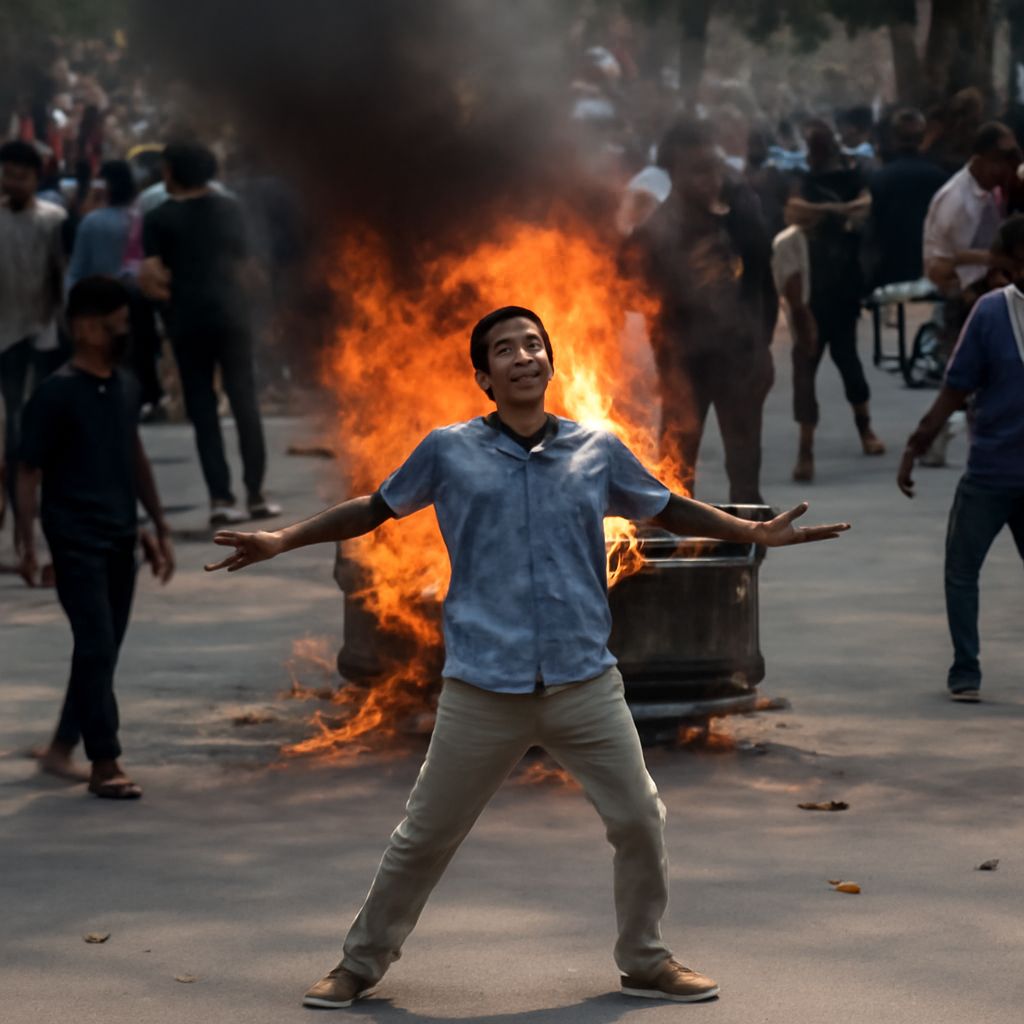
Protest violence generates sharp disagreements. Quotes about violence from Martin Luther King Jr. argued consistently against it: “The ultimate weakness of violence is that it is a descending spiral.” Malcolm X’s quotes on violence staked out a right to self-defense that still resonates in contemporary movements.
Frantz Fanon’s writing on colonial protest violence argued that it could serve a psychological liberation function for oppressed people — a position that remains deeply controversial but influential in understanding mass violence in anti-colonial movements. Quotes about violence in this tradition are not endorsements but analyses of how violence functions within power structures.
Poems About Violence and Literary Testimony
Poems about violence by Carolyn Forche, Yusef Komunyakaa, and Wisława Szymborska document war, political terror, and civilian suffering with precision that news reporting cannot achieve. Forche’s “The Colonel” recounts a dinner encounter with a Salvadoran military officer who pours human ears onto the table — a poem about mass violence that readers remember for decades.
Quotes on violence from literary sources often carry more staying power than political speeches because they embed specific human moments within larger patterns of harm. Poems about violence earn their place in classrooms, memorials, and resistance movements.
Bottom line: Quotes about violence — whether from survivors of mass violence, participants in protest violence, or poets documenting harm — all perform the same essential function: they refuse to let violence disappear into abstraction. Quotes on violence matter because memory and language are the most durable forms of accountability we have.