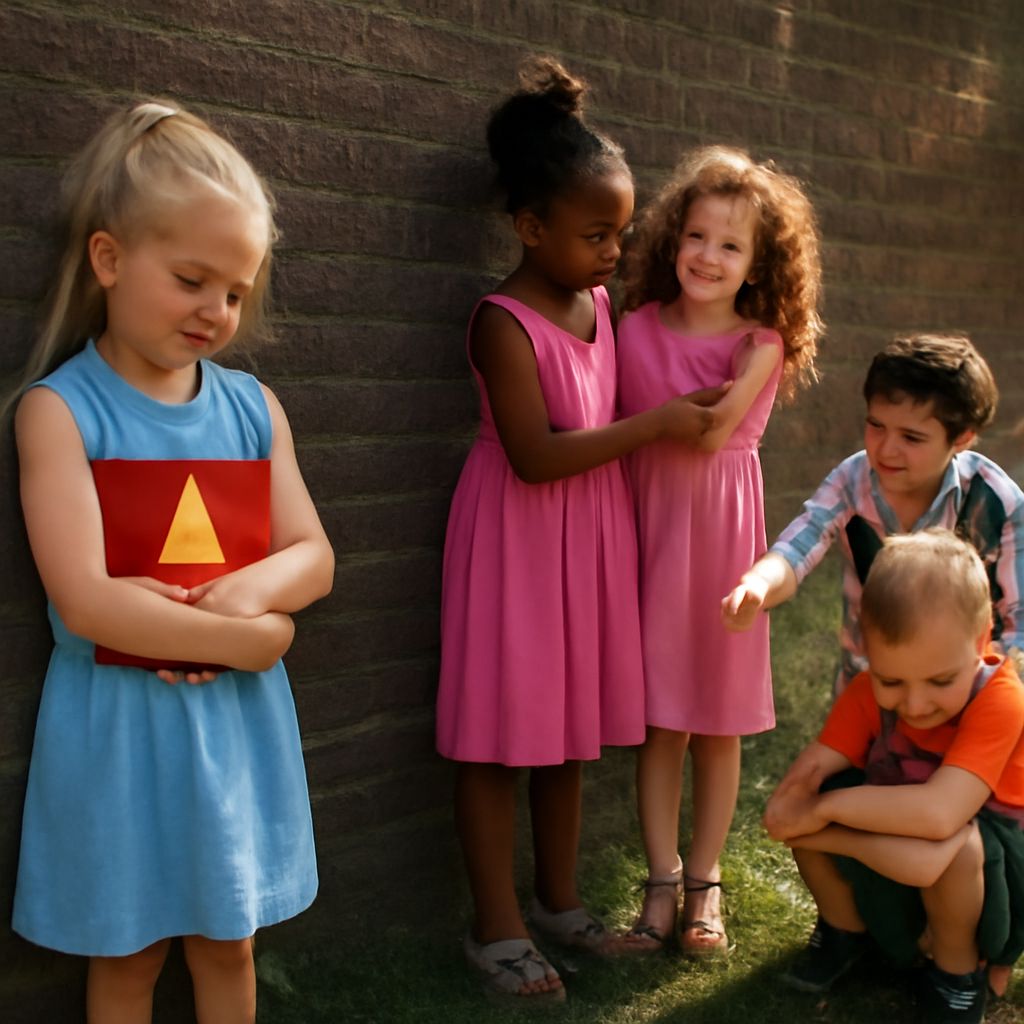
Prejudicial Bullying: Understanding and Addressing the Issue
Bullying scenarios in schools and families often involve prejudicial bullying, a form of mistreatment rooted in bias and discrimination. Whether it’s teachers bullying students or conflicts emerging from family structures, understanding these complexities is crucial. Our goal is to shed light on the issue and provide clear solutions to prevent it.
Recognizing how bullying manifests, particularly through family bullying and educational settings, empowers us to intervene effectively. Let’s explore the dynamics and work towards fostering environments where all individuals feel safe and respected.
Understanding Prejudicial Bullying
What is Prejudicial Bullying?
Prejudicial bullying is when individuals are targeted due to characteristics such as race, gender, or disability. Such bullying scenarios can be deeply damaging, as they attack the core of a person’s identity. This type of bullying often occurs in schools, where teachers bullying students can perpetuate a cycle of exclusion and bias.
It’s important to identify these bullying scenarios early. By focusing on the root causes—often societal norms and learned behaviors—we can begin to dismantle the prejudices that fuel this behavior.
Impact on Victims
The impact of prejudicial bullying on victims can be profound, affecting mental health and academic performance. When students face prejudicial bullying, they often experience a heightened sense of isolation and anxiety. In instances of family bullying, the home becomes a source of distress rather than support.
Additionally, victims may internalize negative stereotypes, leading to long-term self-esteem issues. Addressing these impacts requires a supportive approach, emphasizing the importance of community and understanding.
Real-Life Bullying Scenarios
Family Bullying Dynamics
Family bullying involves patterns where relatives, often siblings or parents, perpetuate negative behaviors influenced by prejudices. This form of bullying can shape one’s perception from an early age, influencing behavior both at home and in broader social settings.
Recognizing family bullying involves acknowledging the power dynamics within households. It is essential for family members to address these patterns and promote open communication channels.
Teachers Bullying Students
When teachers bullying students occurs, it undermines the educational environment’s integrity. This type of bullying erodes trust and can severely impact a student’s motivation and ability to learn. Teachers, as authority figures, exert significant influence, making it crucial to address any misuse of power.
Creating a supportive environment involves training educators to recognize their biases and implement inclusive practices, ensuring that all students feel valued.
Addressing and Preventing Bullying
Role of Educators
Educators play a pivotal role in preventing prejudicial bullying. By fostering an inclusive classroom atmosphere and being vigilant of biased behaviors, teachers can create a safe space for all students. Professional development and ongoing training on diversity and inclusion are vital in this process.
It’s also essential for teachers to model empathy and respect, demonstrating the behavior they wish to see in their students. Such actions can help dismantle prejudices and promote understanding.
Family Interventions
Family interventions are key to addressing bullying dynamics at home. Encouraging open dialogue and educating family members about the harmful effects of prejudice can promote a healthier family environment. Support from community resources, such as counseling or workshops, can also aid in resolving conflicts.
Families should prioritize empathy and understanding, ensuring that all members feel heard and valued, thus reducing the likelihood of internal bullying.
Bottom line: Prejudicial bullying presents complex challenges, but with awareness and proactive measures, we can create supportive environments. Educators and families are central to this effort, and together, we can work towards lasting change.