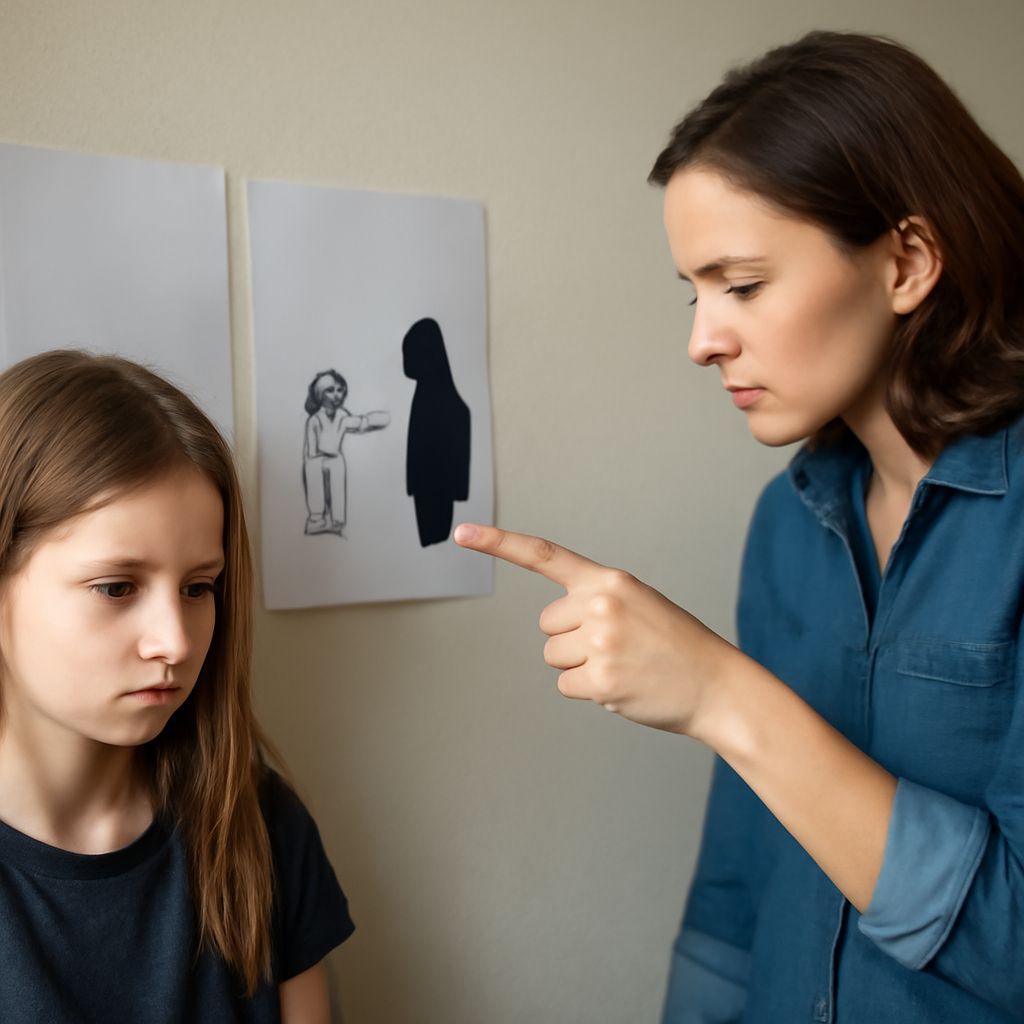
Bullying has long been a part of human interaction, but its classification as abuse remains a subject of debate. By delving into the roots of bullying and exploring how it intertwines with 18 and abuse, we can better understand its impact and identify effective solutions. The questions of “when did bullying start” and whether it truly aligns with abuse frameworks are crucial in navigating this conversation.
In examining bullying’s evolution, we must consider cultural perspectives and legal contexts, including instances such as femdom abuse, to draw parallels and distinctions. This exploration not only sheds light on the behaviors but also guides us in implementing supportive measures to combat bullying.
Understanding Is Bullying Abuse
Defining Bullying and Abuse
Defining bullying involves identifying repeated aggressive behaviors intended to harm or intimidate someone. Abuse, on the other hand, encompasses various forms of harm, including physical, emotional, and psychological. Although similar in intention to cause harm, the scope of bullying is often limited to peer interactions, whereas abuse spans across relationships, including family and intimate settings.
The question “is bullying abuse” stems from the overlapping characteristics of both phenomena. While bullying often lacks the systemic control present in abusive relationships, its effects are no less damaging, affecting victims’ mental health and self-esteem.
Similarities and Differences
Both bullying and abuse involve a power imbalance, where one party exerts dominance over the other. However, abuse typically includes a broader range of controlling behaviors aimed at maintaining this dominance over time. Bullying, meanwhile, may not have the same prolonged intent. Differentiating these can help tailor interventions effectively.
Understanding is bullying abuse requires acknowledging these overlapping traits while recognizing the distinct contexts in which they occur. This helps clarify why some bullying instances escalate to abusive scenarios.
When Did Bullying Start
The Origins and History of Bullying
Exploring “when did bullying start” reveals its deep-rooted presence in human societies. Though it is difficult to pinpoint the exact beginning, records of bullying behaviors can be traced back to ancient civilizations where social hierarchies dictated interactions.
Historical accounts highlight bullying’s prevalence in various forms, from playground taunts to more organized exclusion. This historical backdrop helps us understand the persistence of bullying across generations.
Cultural Perspectives
The cultural perspective on bullying varies significantly, with some societies viewing it as a rite of passage while others decry it as unacceptable behavior. This cultural lens influences how bullying is perceived and addressed, impacting efforts to classify it as abuse.
Understanding cultural nuances is essential when exploring “when did bullying start,” as they frame the narrative and acceptance of bullying within different communities.
Exploring 18 and Abuse
Legal Implications
The legal implications surrounding 18 and abuse are complex, with laws differing drastically across regions. These regulations often focus on tangible harm, which can make categorizing bullying as a form of abuse challenging. Legal frameworks strive to protect individuals from the severe impacts of abusive behavior.
By examining these laws, we gain insights into why “is bullying abuse” remains a debated question, reflecting the intricacies of defining harm within legal contexts.
Femdom Abuse Contexts
Femdom abuse, a specific context where power dynamics are pronounced, provides a unique angle on the abuse discussion. While consensual power exchanges are valid in some relationships, non-consensual acts can parallel bullying’s harmful nature.
Understanding these dynamics is crucial when exploring how 18 and abuse intertwine with bullying, offering a framework for recognizing abusive patterns beyond traditional settings.
Bottom line: The question “is bullying abuse” uncovers layers of social interaction that require careful examination. By recognizing the history and cultural contexts of bullying, alongside understanding 18 and abuse, we can better support victims and foster healthier environments. Safety measures must be prioritized, especially where skin sensitivity is involved, to prevent harm while discussing sensitive topics.