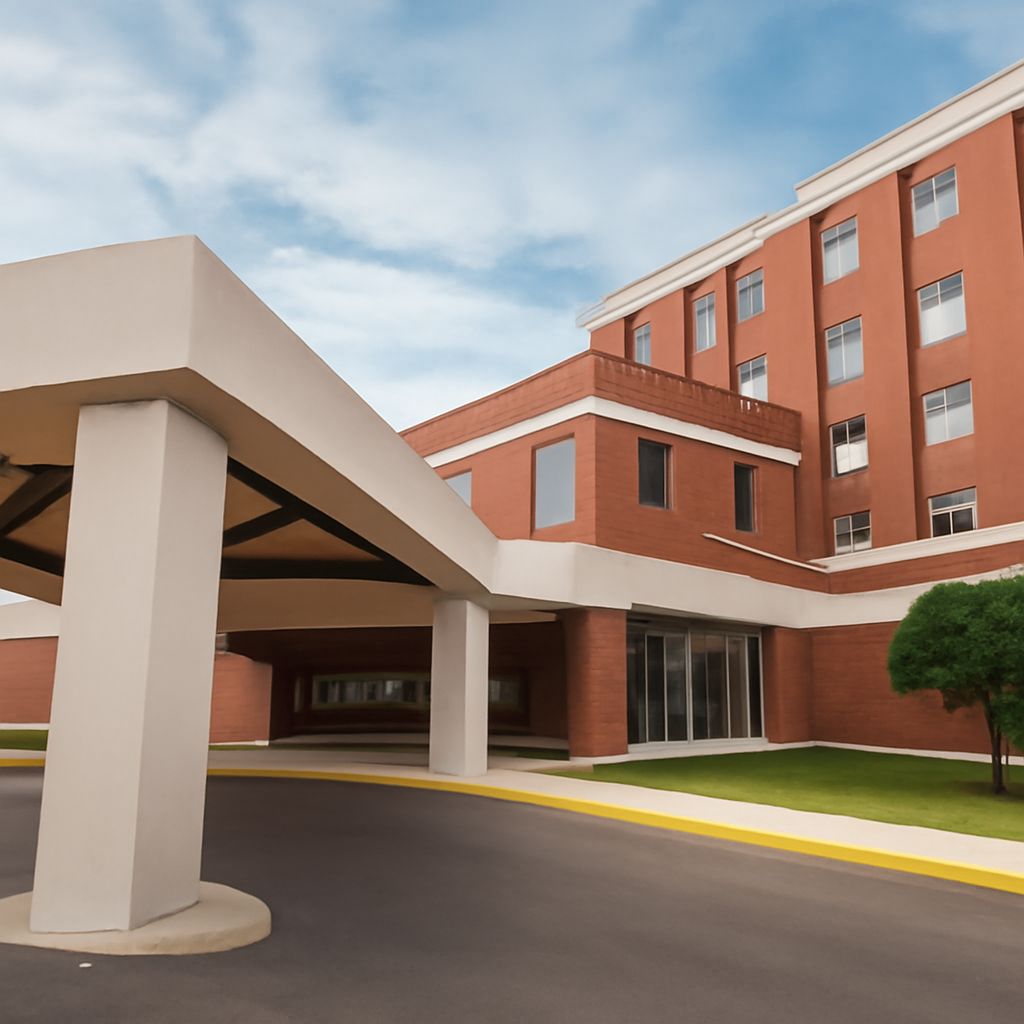
Alcohol addiction is a complex issue that can deeply affect not only the individual but also their family and community. Recognizing the need for help is the first step towards recovery, yet the journey can be daunting without the right guidance and support. Thankfully, there are numerous pathways to recovery, including outpatient alcohol rehab and specialized alcohol treatment centers, which are designed to meet the diverse needs of those seeking to overcome addiction. By understanding the variety of addiction treatment center options available, we can make informed decisions about the best course of action for recovery.
Understanding Alcohol Treatment
Alcohol treatment encompasses a range of strategies aimed at helping individuals achieve and maintain sobriety. It is not a one-size-fits-all solution, as each person’s struggle with alcohol is unique. Treatment can range from medically supervised detoxification to counseling sessions, and often involves a combination of therapies to address both the physical and psychological aspects of addiction. By tailoring treatment plans to the individual’s specific needs, alcohol treatment centers can effectively support long-term recovery.
Choosing the Right Addiction Treatment Center
Factors to Consider
When selecting an addiction treatment center, several factors should be considered to ensure the best possible outcome. We should evaluate the center’s approach to treatment, the qualifications of their staff, and the success rates of their programs. It’s also important to consider the location and whether it offers a supportive environment that aligns with the individual’s recovery goals.
Types of Programs
Addiction treatment centers offer a variety of programs to cater to different needs. Some may focus on intensive inpatient care, while others provide outpatient alcohol rehab services. Outpatient programs are particularly beneficial for those who wish to maintain their daily routines while receiving treatment. They offer flexible scheduling and allow individuals to apply what they learn in real-time, fostering greater independence and accountability.
Benefits of Outpatient Alcohol Rehab
Outpatient alcohol rehab is an effective option for many individuals seeking treatment. It allows patients to continue living at home, which can be beneficial for maintaining family and work responsibilities. This type of rehab promotes a sense of normalcy and can make the transition to sobriety less disruptive. Moreover, it encourages the development of coping strategies and relapse prevention skills in a real-world context.
Outpatient programs also often cost less than inpatient options, making them accessible to a broader range of people. They provide a supportive community where individuals can share experiences and learn from one another, fostering a network of encouragement and accountability.
Exploring Alcohol Treatment Centers
Alcohol treatment centers offer specialized care and a structured environment that is conducive to recovery. These centers can range from luxury facilities to community programs, each offering a unique set of services and amenities. By providing a safe space away from everyday triggers, these centers allow individuals to focus solely on their recovery journey.
Many alcohol treatment centers employ a multidisciplinary approach, integrating medical, psychological, and holistic therapies. This comprehensive care addresses the root causes of addiction and equips patients with the tools they need to achieve long-term sobriety. As we explore the various options, it is crucial to choose a center that aligns with our specific needs and values.
Safety recap: When engaging with treatment centers or outpatient programs, ensure that the facilities follow rigorous safety standards. This includes proper medical supervision and a supportive environment to address any physical or emotional challenges that may arise during recovery.