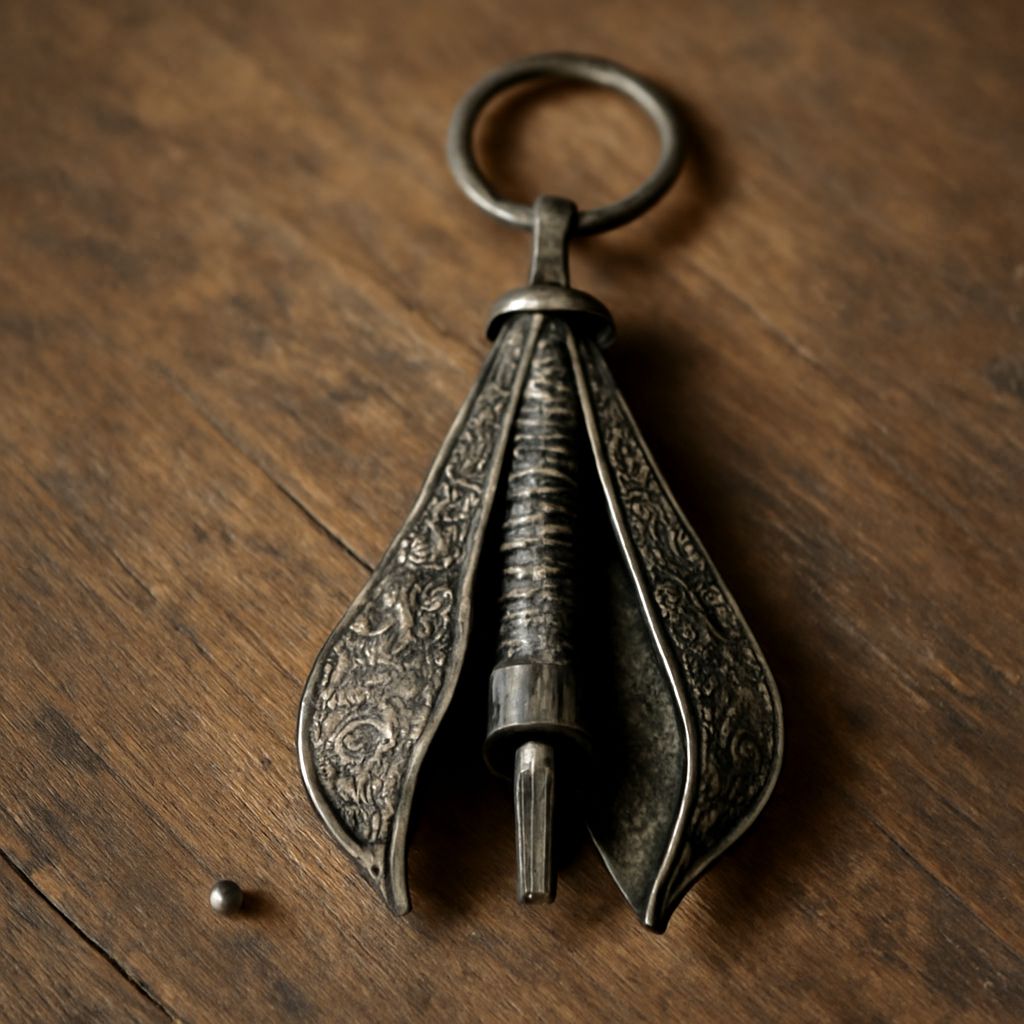
Throughout history, humanity has demonstrated a startling capacity for cruelty, a reality embodied by devices such as the Breast Ripper and the Spanish Tickler. These instruments of pain served as stark reminders of the darker aspects of human nature, revealing how torture was employed to control and instill fear. In this exploration, we delve into the origins and uses of these brutal tools, examining their impact and the legacy they left behind.
Introduction to Torture Devices
The development of torture devices reflects a sinister creativity. Societies across the globe have, at various times, resorted to physical coercion to enforce authority and punish perceived wrongdoers. Torture devices like the Breast Ripper and the Spanish Tickler exemplify this dark ingenuity. Crafted with the intent to inflict maximum pain, these tools were used in public displays of power, serving both as punishment and as a deterrent to others.
The Breast Ripper: Origins and Use
The Breast Ripper, also known as the Iron Spider, was a gruesome instrument primarily used during medieval times. This tool was designed with claws that would mutilate the flesh of female victims, often those accused of adultery or heresy. The device was heated to intensify the agony, making the act not just a punishment but a horrific spectacle.
Employing the Breast Ripper involved restraining the victim while the torturer applied the device. The simplicity of its design belied its brutal efficiency, ripping flesh painfully and permanently. This violent act was meant to degrade and dehumanize, a stark example of punishment exceeding any reasonable bounds of justice.
The Spanish Tickler: An Instrument of Pain
Another notorious device, the Spanish Tickler, was a versatile torture tool. Unlike the Breast Ripper, the Tickler was used on various parts of the body, including limbs and faces. Its sharp prongs were designed to tear and lacerate, inflicting severe pain while causing permanent disfigurement.
Operating the Spanish Tickler involved a simple yet horrifying process. The torturer would rake the device across the victim’s skin, maximizing damage with each stroke. This method was not only effective in punishment but also instilled terror among onlookers, reinforcing the power of those who wielded it.
Impact and Legacy of These Devices
The impact of the Breast Ripper and the Spanish Tickler extends beyond their immediate victims. These instruments symbolize a historical period where fear and brutality were used as governance tools. Their legacy is a chilling reminder of how power can corrupt and dehumanize.
Despite their removal from modern judicial systems, the conceptual shadow of these devices persists in cultural memory, often referenced in discussions about human rights and the evolution of justice. As society progressed, we recognized the inherent cruelty in such punishments, leading to their abolition and the development of more humane forms of justice.
Bottom line, exploring the history of devices like the Breast Ripper and the Spanish Tickler is not simply about revisiting past horrors; it is a critical examination of the lengths to which humanity has gone in its quest for control. Understanding this history ensures we remember our capacity for cruelty and the importance of safeguarding against it.