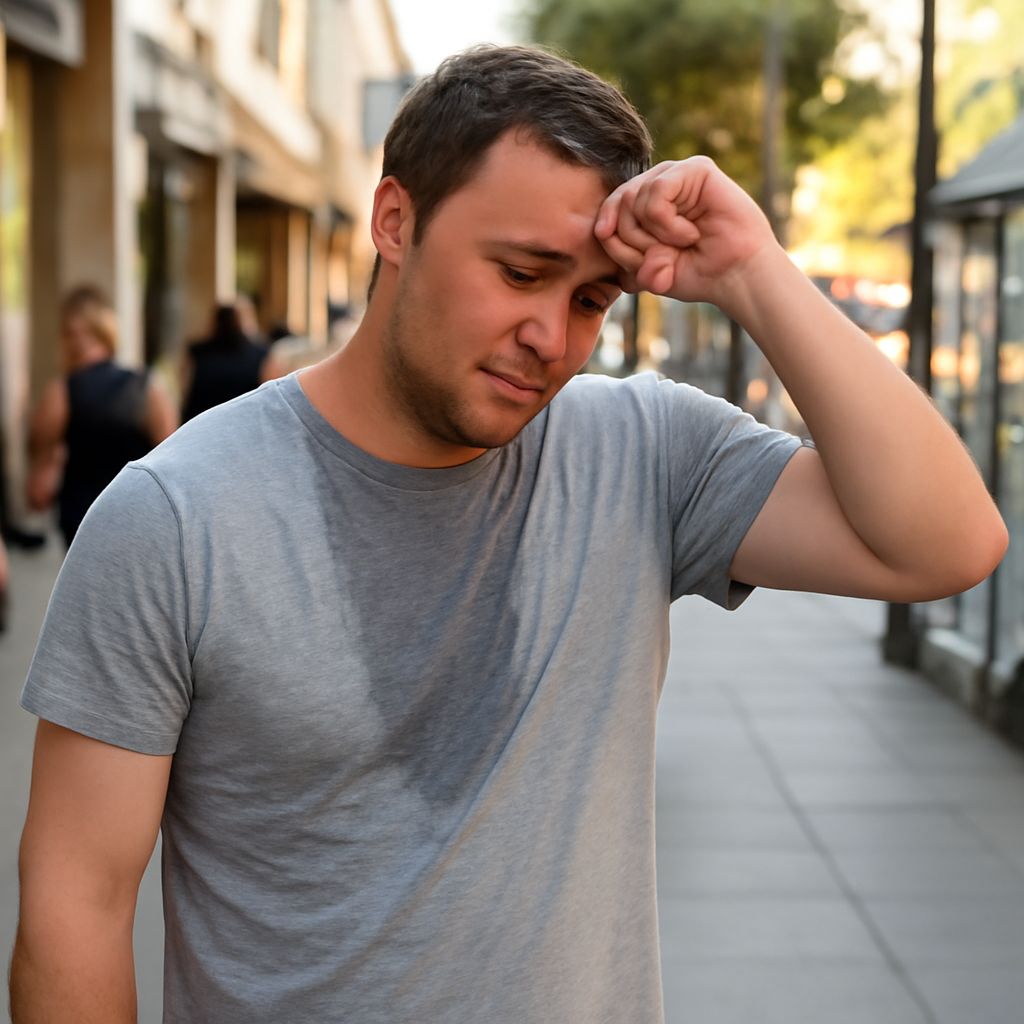
In our fast-paced world, anxiety can often feel like an unwelcome companion. Many factors contribute to anxiety, but one surprising element is often overlooked: dehydration. Can dehydration cause anxiety? Understanding this connection offers a potential pathway to alleviating some symptoms associated with anxiety, PTSD, and trauma.
For those coping with trauma, managing anxiety can be a daily struggle. We often explore various methods and therapies, yet we might be ignoring a simple, effective solution. Proper hydration could be a key element in our anxiety management strategy and overall mental health maintenance.
Introduction to Dehydration and Anxiety
Dehydration occurs when the body loses more fluid than it takes in, affecting the balance and function of critical systems. Anxiety, on the other hand, involves feelings of worry or dread that can impact daily life. Both conditions can influence one another in a cycle that may exacerbate overall distress.
How Dehydration Affects the Body
Dehydration impacts the body in numerous ways, disrupting physiological processes. It affects blood pressure, circulation, and even brain function. When the brain is deprived of adequate hydration, it struggles to perform efficiently, potentially leading to mood swings and feelings of unease.
Persistent dehydration can also lead to headaches, fatigue, and poor concentration, which might mimic or worsen anxiety symptoms. By understanding these effects, we can begin to address the root causes of anxiety rather than just its symptoms.
Link Between Dehydration and Anxiety
Can dehydration cause anxiety? Research suggests a connection, as dehydration may intensify anxiety symptoms. When the body lacks water, stress levels can increase, leading to heightened feelings of anxiety. This is further complicated for those dealing with PTSD and trauma, as dehydration can make coping mechanisms less effective.
Moreover, the physical symptoms of dehydration—such as rapid heartbeat and dizziness—may be misinterpreted as anxiety attacks. By recognizing these signs, we can differentiate between dehydration and anxiety, allowing for better-targeted interventions.
Managing Anxiety with Proper Hydration
Maintaining hydration can play a crucial role in managing anxiety effectively. By ensuring our body receives enough fluids, we support brain function and reduce stress levels. Simple practices, like carrying a water bottle or setting hydration reminders, can help integrate proper fluid intake into our daily routine.
For those experiencing anxiety, PTSD, or trauma, prioritizing hydration might offer a complementary approach to traditional therapies. It’s a manageable lifestyle change with potential benefits for mental well-being.
Safety Note: Always consult a healthcare provider when dealing with persistent anxiety or trauma. Dehydration should be considered as one of multiple factors rather than a sole cause.
Key takeaways: Proper hydration supports brain function and reduces stress, potentially easing anxiety symptoms. Understanding the link between hydration and mental health can empower us to take proactive steps in managing anxiety and supporting our overall well-being.