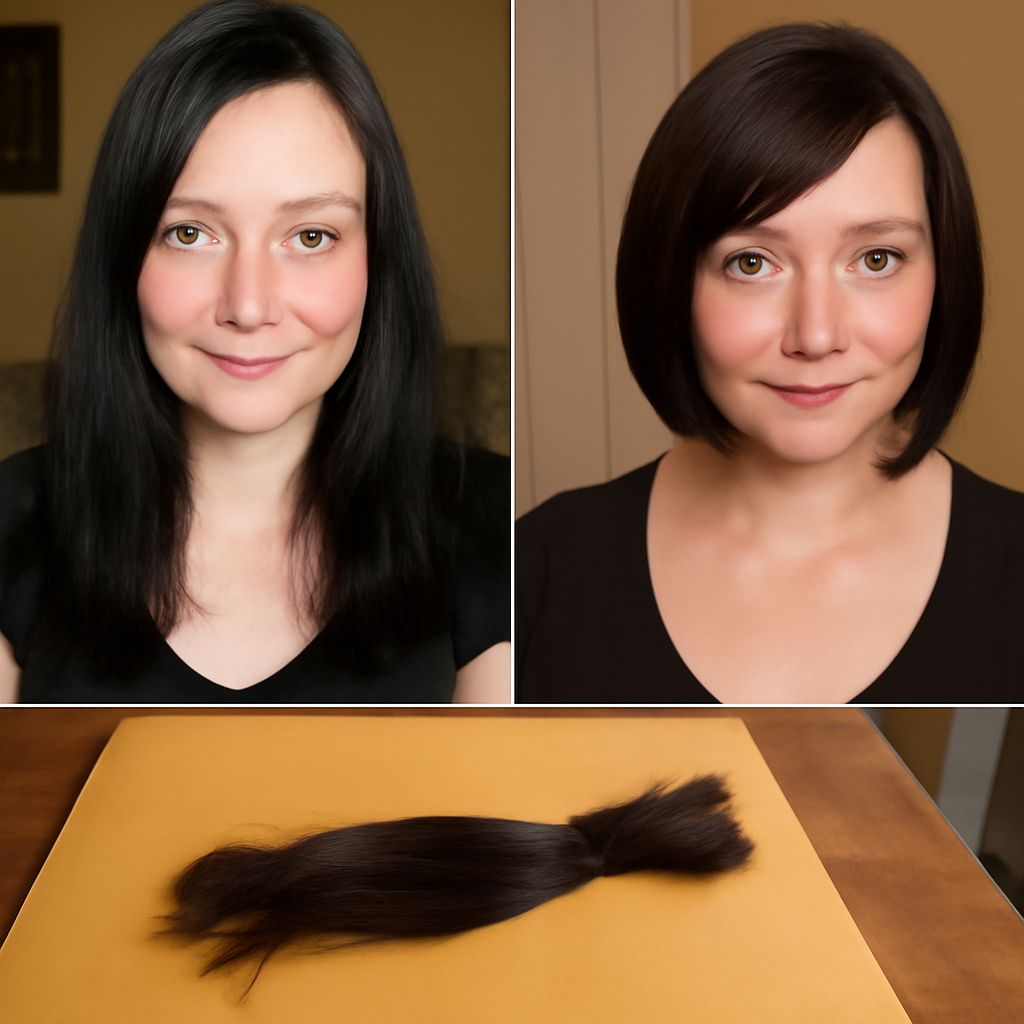
Donating hair starts with choosing an organization and reading its current instructions before making a cut. Charities that accept donated hair have different requirements for length and treatment, and a nonprofit hair donation program may serve a particular group of recipients. A few minutes of preparation can help you decide whether your hair meets the rules and how to send it.
Non profit hair donation programs and how they use hair
Programs may use suitable donations to help make wigs or other hairpieces for people experiencing hair loss. The process involves sorting and preparing hair and making a finished piece; one ponytail should not be assumed to become one complete wig. Some groups accept certain hair for other uses, including selling it to help cover costs, so check the organization’s explanation if the destination of your donation matters to you.
Hair donation charities also differ in who can apply for a hairpiece. Some focus on children or young adults with medical hair loss, while eligibility rules may specify age, location, or other conditions. Look at the recipient information as well as the donor page to understand whom a program serves and whether recipients pay for the service.
A non profit hair donation can involve a haircut, preparation, and mailing, each with its own instructions. The organization may require a form or offer one if you want an acknowledgment. A salon may help with the cut, but ask whether it will also package or mail the hair; those services are not automatic.
Compare minimum lengths before scheduling a cut
Measure the length you plan to cut off, not simply the total length of your hair. Leave enough for the style you want afterward and ask your stylist to check the measurement before cutting. Some programs explain how to measure curly hair or how to handle several ponytails, so use the method on your chosen organization’s site.
For example, Wigs For Kids lists a 12-inch minimum and encourages 14 inches or more. Children With Hair Loss lists an 8-inch minimum. Locks of Love states that 10 inches is the minimum usable in a hairpiece; it accepts shorter donations but says they may not be used in its hairpieces. These are examples of different rules, not interchangeable standards.
If your available length is just below a program’s minimum, you can wait and measure again later or look for another organization whose current requirements fit. A donation that is too short for one use may be accepted elsewhere, but check the precise purpose and conditions rather than assuming it will be made into a wig.
Check color, chemical treatments, and condition
Organizations may distinguish natural gray hair from hair that has been colored, bleached, highlighted, or permed. Wigs For Kids says it accepts gray hair but not chemically processed or colored hair. Children With Hair Loss says it accepts colored hair; its guidance asks that donations be in good condition. Locks of Love also accepts color-treated hair, while its instructions explain separate conditions for other treatments.
Tell your stylist about any treatments still present in the length you plan to donate, even if they were applied a long time ago. If only part of the hair meets a program’s rules, ask the organization how to measure or separate it before cutting. Do not rely on the color at the roots alone to determine whether the entire ponytail qualifies.
Condition matters too. Review any guidance about damage, cleanliness, and whether extensions or loose hair are accepted. A nonprofit accepting a hair donation can explain a rule that is unclear, and contacting it first may prevent you from sending a bundle it cannot use.
Prepare and package the donation
Read the instructions before your appointment and share them with the person cutting your hair. A program may ask for hair to be secured into ponytails or braids before it is cut, with bands placed in particular positions. Hair swept from the floor may not be accepted because the strands are no longer arranged as required.
Follow the chosen program’s instructions for washing and drying. For instance, Wigs For Kids asks donors to send hair clean and completely dry, secured in a ponytail, in a sealed plastic bag inside an envelope. Wet hair can develop mold in transit. Check the current directions for packaging, the mailing address, and any form before sealing your parcel.
Keep the cut hair together as directed and include only the information the organization requests. If you want confirmation of receipt, find out whether an acknowledgment form or contact details are needed. Delivery may take time, and an acknowledgment does not necessarily identify the recipient or final use of an individual ponytail.
Choose a program that fits your priorities
The best hair donation charity for you depends on your hair and what you want to support. One donor may prioritize a program for children; another may look for an organization that accepts a particular treatment or length. Review the recipient criteria, how donations are used, and any stated costs to recipients before deciding.
To find the best charity for donating hair in your circumstances, compare the official instructions for the programs you are considering. A nonprofit program for hair donors should explain where to send a bundle and which hair can be used; its recipient pages can help you understand the purpose of the service. If a policy is unclear or a page appears outdated, contact the organization directly.
Before your haircut, open the selected program’s current donation page and check the minimum length, treatment rules, and measurement method against the hair you plan to cut. Show those instructions to your stylist and confirm that the measured section meets them before the scissors come out.