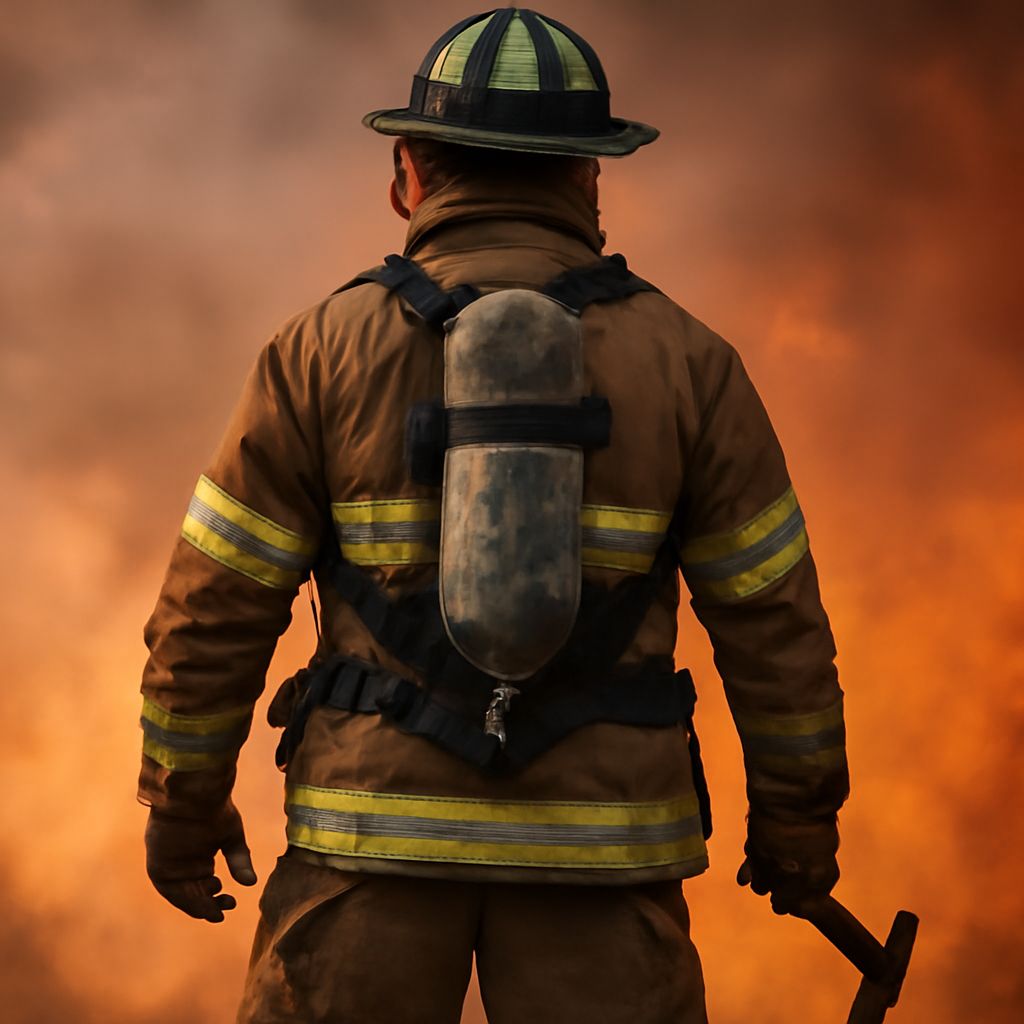
Becoming a volunteer firefighter is a noble pursuit that offers the chance to make a significant difference in your community. Understanding how to be a volunteer firefighter involves not only meeting specific requirements but also grasping the overall path to achieving this goal. To become a volunteer firefighter, it’s crucial to know the necessary steps involved in this rewarding journey.
With the right guidance, anyone interested in volunteering can navigate the necessary requirements and training. In these sections, we will delve into the essential aspects of how to become a volunteer firefighter, ensuring you’re equipped with the knowledge to embark on this altruistic path.
Understanding Volunteer Firefighting
What is a Volunteer Firefighter?
A volunteer firefighter is an individual who offers their time and effort to assist with fire emergencies without financial compensation. Their role is crucial in ensuring community safety, providing support during fires, natural disasters, and other emergencies.
Why Become a Volunteer Firefighter?
The decision to become a volunteer firefighter allows individuals to serve their community, gain valuable skills, and be part of a dedicated team. The fulfillment that comes from helping others in times of need is often the primary motivation for many volunteers.
Volunteer Firefighter Requirements
Age and Education Requirements
One of the primary volunteer firefighter requirements is to meet the age criteria, typically 18 years or older. Additionally, a high school diploma or equivalent is generally necessary to ensure candidates have a basic educational foundation.
Physical and Medical Standards
To become a volunteer firefighter, meeting physical and medical standards is essential. Candidates must undergo a physical examination to ensure they can perform the demanding tasks required in emergencies, such as lifting heavy equipment and enduring heat.
Steps to Becoming a Volunteer Firefighter
Application Process
The first step on how to become volunteer firefighter includes completing an application form, often followed by an interview. This stage assesses the suitability of candidates, evaluating commitment and readiness for the role.
Training and Certification
After successful application, candidates undergo rigorous training and certification. This training covers fire safety, emergency response, and the use of firefighting equipment. Certification confirms that volunteers are prepared to handle real-life situations.
Maintaining Your Role
Ongoing Training
Continuous training is crucial for all volunteer firefighters. Regular sessions help maintain skills and introduce new techniques, ensuring all team members are ready for any scenario.
Community Involvement
Active participation in community events is a significant aspect of being a volunteer firefighter. It strengthens community ties and promotes fire safety awareness among residents.
Safety Recap: While volunteering, always adhere to safety protocols. Tools and environments can pose risks, so it’s vital to remain vigilant and follow guidelines to protect yourself and others.