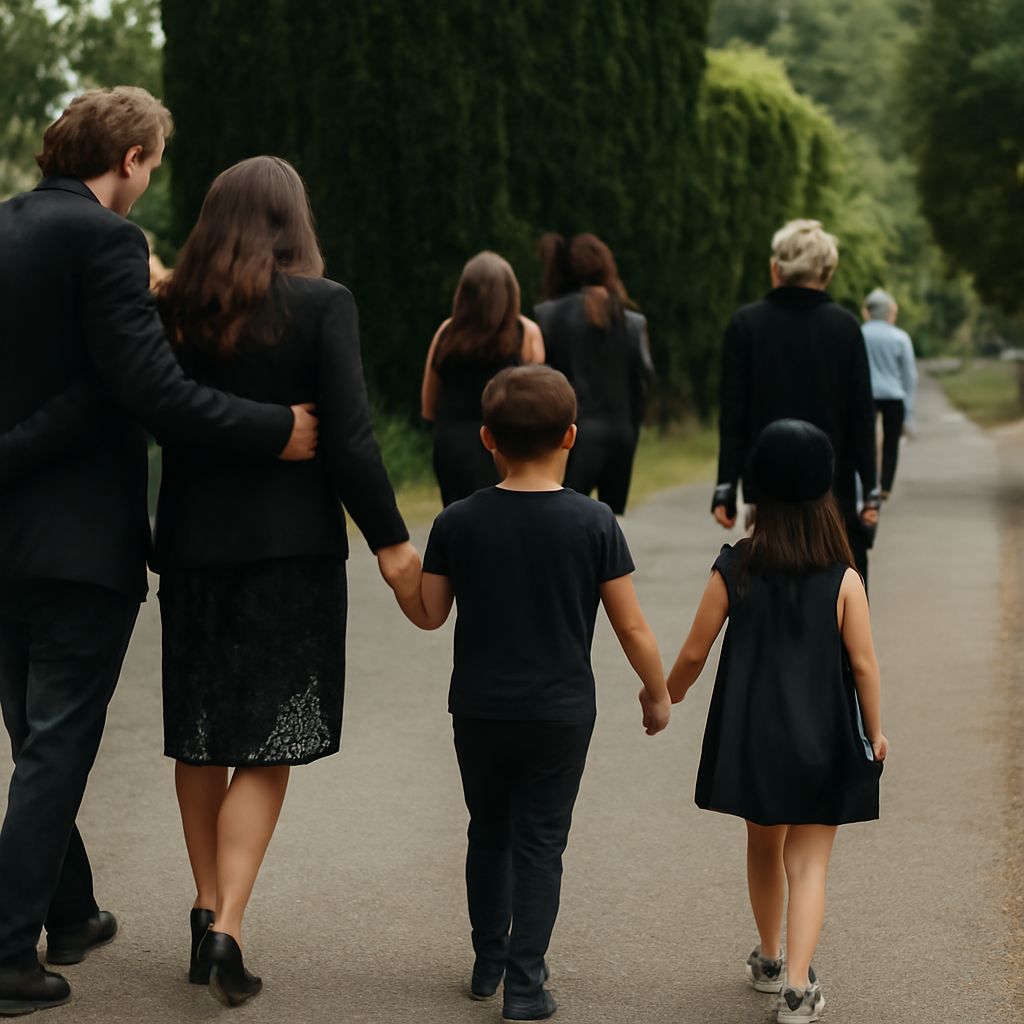
In our journey through life, we inevitably encounter loss, a universal experience that brings us face to face with grief and mourning. As we navigate this difficult terrain, understanding the rituals that support us, such as a wake, can provide comfort and clarity. Exploring the nuances between a funeral vs wake, and understanding what a wake is, can help us appreciate the unique roles these ceremonies play in the grieving process.
While both wakes and funerals aim to honor the deceased, they differ in form and function. In this article, we delve into the significance of wake and funeral ceremonies, highlighting their importance in the process of mourning.
Understanding What is a Wake
A wake is a gathering that allows friends and family to come together in memory of the deceased. Traditionally, wakes were held in the home of the deceased, providing an intimate setting for personal farewells. Today, they are often hosted in funeral homes, creating a more formal atmosphere.
Beyond simply what is a wake, it involves sharing stories and memories, offering collective solace. Unlike a structured funeral service, a wake is typically more informal, encouraging open dialogue and support among attendees.
Funeral vs Wake: Key Differences
When contrasting funeral vs wake, the key difference lies in the formality and structure of each. A funeral is a formal ceremony, often religious in nature, with a set program that includes eulogies, prayers, and possibly hymns. It is usually officiated by clergy or a celebrant.
In contrast, a wake is less formal and allows for more personal interaction. It serves as a prelude to the funeral, offering a space for those attending to gather, reminisce, and provide mutual support before the more solemn funeral proceedings.
While the funeral is a public acknowledgment of loss, the wake offers a more personal platform for expressing grief. This distinction enables individuals to process emotions and begin healing in a supportive environment.
The Role of Wake and Funeral in Mourning
Both the wake and funeral play integral roles in the mourning process. A wake serves as an opportunity for communal grieving, allowing us to connect with others who share our sorrow. It also provides a setting to celebrate the life lived, giving voice to stories and memories that define the deceased’s legacy.
On the other hand, the funeral is a more structured ceremony that marks the transition from life to death. It offers a sense of closure, enabling mourners to formally say goodbye. Together, the wake and funeral ceremonies guide us through the essential stages of grieving, from initial shock to eventual acceptance.
Understanding these roles helps us appreciate their significance in the healing process, ensuring that the deceased is honored and remembered in meaningful ways.
Pro tips recap: Navigating the complex terrain of grief is a personal journey, but understanding the purpose of a wake and funeral can provide valuable support. Remember, a wake allows for personal reflection and connection, while a funeral offers a formal farewell. Both are crucial steps in honoring the departed and beginning the healing process. And always exercise caution at gatherings; be mindful of any sharp tools or sensitive skin products that may be present, ensuring everyone’s safety.