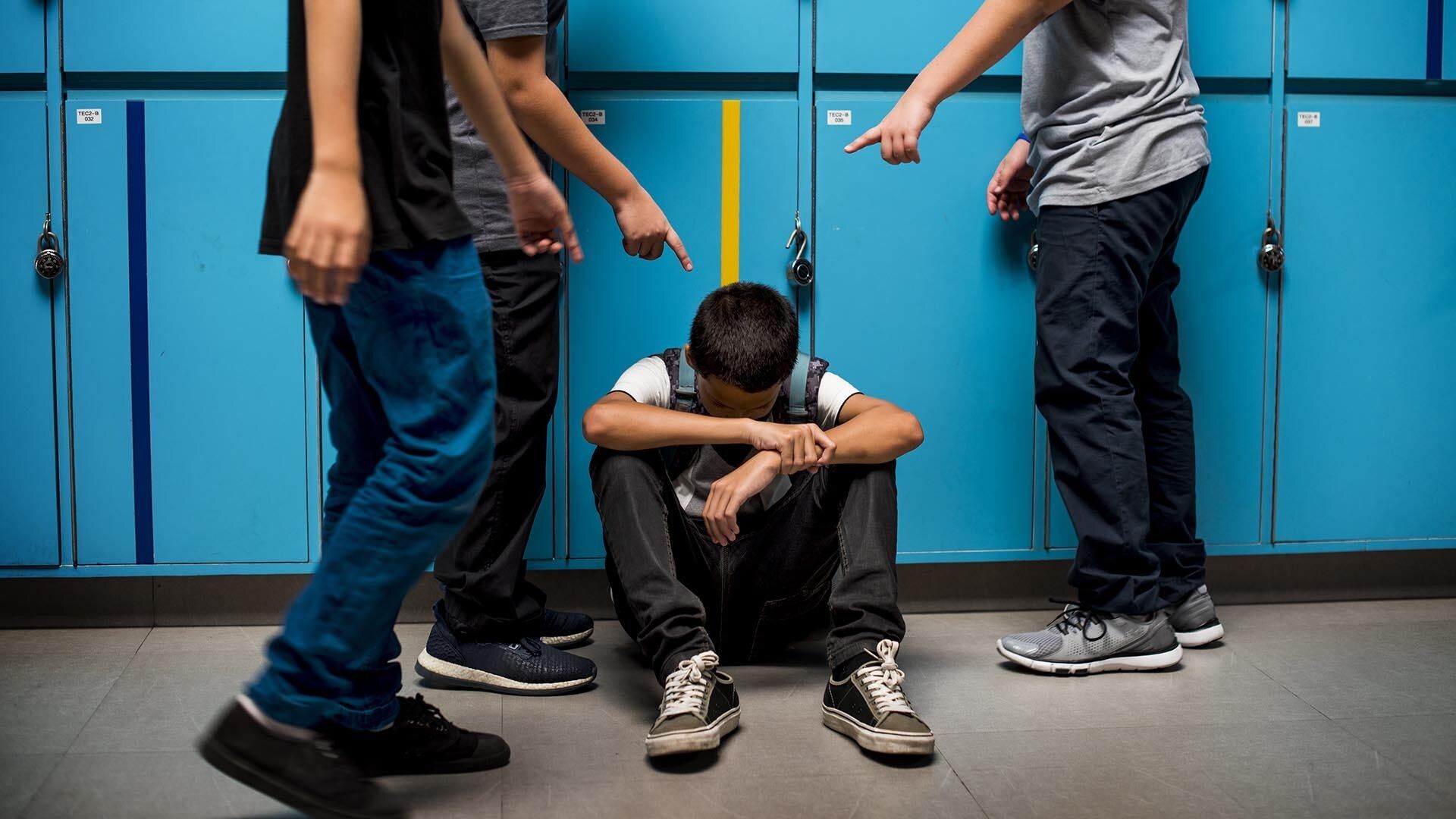
Middle school is a critical period in a child’s development, and unfortunately, it is also a time when bullying can manifest in various forms. Recent bullying news highlights how middle school bullying doesn’t just occur in the playground but also within siblings at home. To effectively address the problem, we need to understand the dynamics of sibling bullying and the subtlety of covert bullying.
As we navigate these challenges, finding support is crucial. By leveraging the latest research and media insights, parents and educators can develop meaningful strategies to protect students’ mental health and foster a safe environment for learning. Let’s delve into the complexities of bullying in middle school and explore practical solutions that can make a difference.
Understanding Bullying in Middle School
Types of Bullying
Bullying in middle school takes many forms, from physical aggression to more insidious acts like covert bullying. Covert bullying involves hidden behaviors such as spreading rumors or excluding someone from a group. Understanding these types helps us recognize the signs and intervene effectively.
Impact on Students
The repercussions of bullying on students’ mental health are profound. Victims may experience anxiety, depression, and a decline in academic performance. Our responsibility is to ensure students feel supported and safe, reducing the long-term effects of bullying.
Addressing Middle School Bullying
Role of Parents and Teachers
Parents and teachers play a pivotal role in combating bullying. By maintaining open communication with students, we can detect early signs of distress and address issues proactively. Training programs can equip educators with the tools to manage bullying effectively.
Effective Solutions
Implementing school-wide initiatives and peer support programs can significantly reduce bullying incidents. Encouraging students to speak up and fostering a culture of inclusivity are vital steps toward creating a positive school environment.
Exploring Bullying News and Trends
Recent Studies
Recent studies provide insight into the prevalence and impact of bullying. They reveal how middle school bullying affects diverse student populations, including marginalized groups. Staying informed through these studies helps us tailor our approaches to each student’s needs.
Media Influence
The portrayal of bullying in media influences public perception and awareness. Positive media coverage can highlight anti-bullying initiatives and success stories, motivating schools to adopt similar measures.
Sibling and Covert Bullying
Sibling Bullying Dynamics
Sibling bullying is an often-overlooked issue that can affect a child’s confidence and mental health. Recognizing the signs, such as persistent teasing or physical aggression, allows us to intervene and provide necessary support.
Recognizing Covert Bullying
Covert bullying is challenging to detect due to its subtle nature, such as exclusion from social activities or spreading malicious rumors. Educating students on recognizing and reporting these behaviors is crucial in addressing the issue.
Key takeaways: Addressing bullying in middle school requires a comprehensive approach involving parents, teachers, and the latest research. By understanding sibling and covert bullying dynamics, we can provide better support for affected students. Stay informed and proactive to foster a safer environment for all.