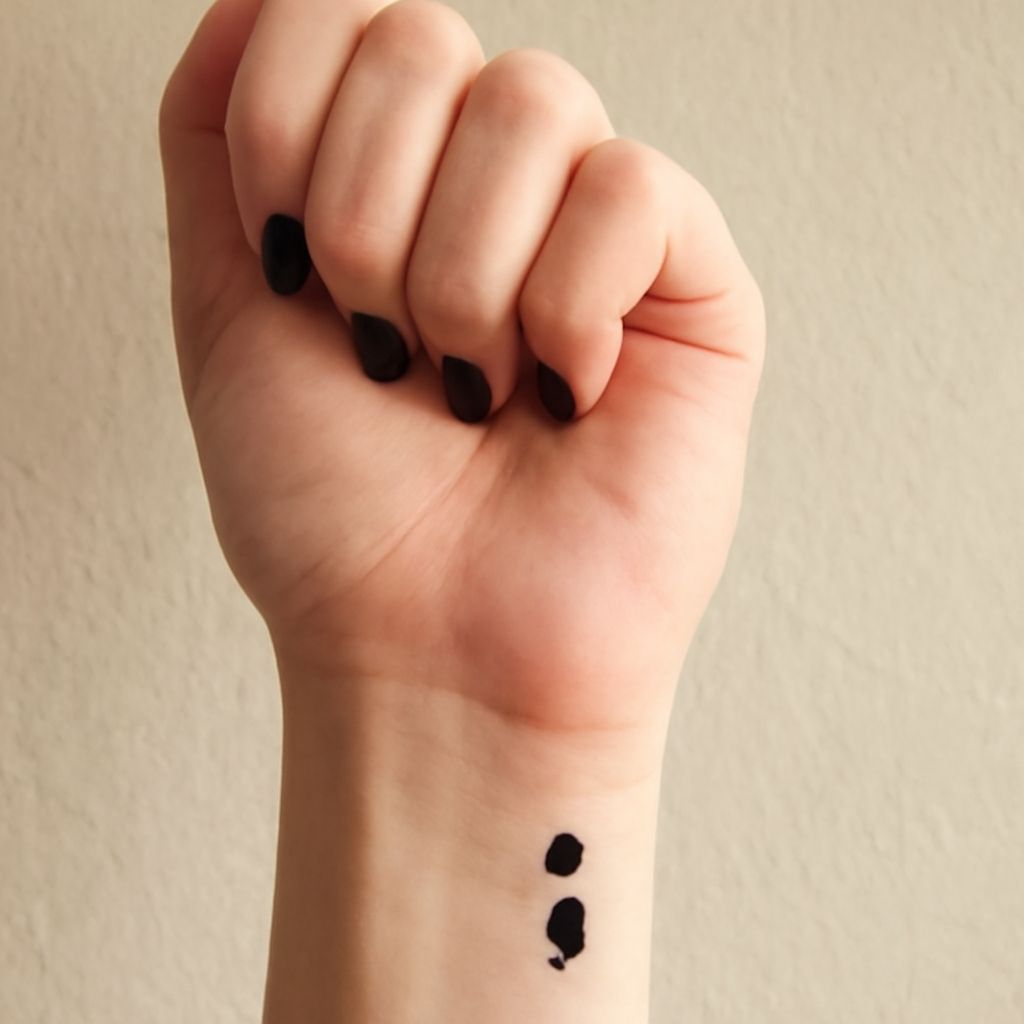
Living with PTSD and trauma can feel isolating and overwhelming, but K2 offers a beacon of hope and resilience. The K3 serves as a transformative approach to mental health struggles, providing a sense of community and personal empowerment. Through the powerful symbolism of the semicolon tattoo, we can better understand our journey and foster healing. This article explores the significance of the semicolon tattoo, delving into its origins, its role in mental health representation, and the broader implications for those affected by PTSD and trauma.
The Origin of the Semicolon Tattoo
Historical Background
The semicolon has long been used in literature to indicate a pause, a momentary breath in a sentence. This punctuation mark, however, has evolved into a profound symbol for those battling depression, anxiety, and other mental health challenges. The semicolon tattoo meaning has come to represent the choice to continue one’s life journey, despite the obstacles faced. It underscores that our story is not over, and we have the power to write it further.
Introduction to Project Semicolon
Project Semicolon, founded in 2013, revitalized the semicolon as a symbol of hope and support for individuals dealing with mental health issues. This movement encourages people to share their stories and embrace their struggles, fostering a sense of solidarity. The K1 associated with Project Semicolon aims to empower and connect those experiencing distressing mental health conditions. By embracing the semicolon tattoo, individuals express their commitment to overcoming their challenges.
Understanding the K3
Mental Health Representation
The semicolon tattoo stands as a testament to our ongoing battle with mental health. It represents not just survival, but a deep understanding of our personal journeys. By choosing to wear this symbol, we are asserting our continuous fight against the shadows of trauma and PTSD. Such symbolism reinforces our narrative, shaping the way we perceive our mental health journey, and providing a visual reminder of our resilience.
Connection to PTSD and Trauma
The link between the semicolon tattoo and PTSD is profound. For many, the tattoo serves as a daily affirmation of their strength and determination to heal. It encapsulates the arduous path of recovery, reminding us that healing is non-linear but achievable. The tattoo is both a personal and communal statement, offering solace and understanding to anyone navigating the complexities of trauma recovery.
K5 and Its Broader Implications
A Personal Story of Survival
Each semicolon tattoo is a unique story, representing individual battles and triumphs. It is a personal badge of courage and an acknowledgement of life’s interruptions, yet serves as a reminder of the decision to press on. For those of us who wear this symbol, it becomes a testament to our survival, a silent yet profound narrative etched into our skin.
Community and Support
Beyond personal meaning, the semicolon tattoo fosters a sense of community among those affected by mental health struggles. It connects us with a larger network of individuals who understand and support one another. This communal bond strengthens our resolve, providing reassurance that we are not alone in our journey. The shared tattoo is a mark of solidarity, promoting dialogue and collective healing.
Next steps: If you’re considering a semicolon tattoo, reflect on the personal significance and the message you wish to convey. Engaging with support groups or mental health professionals can provide guidance as you explore this deeply meaningful symbol. Remember, your safety is paramount—ensure tattoo parlors follow appropriate hygiene standards to prevent infections.