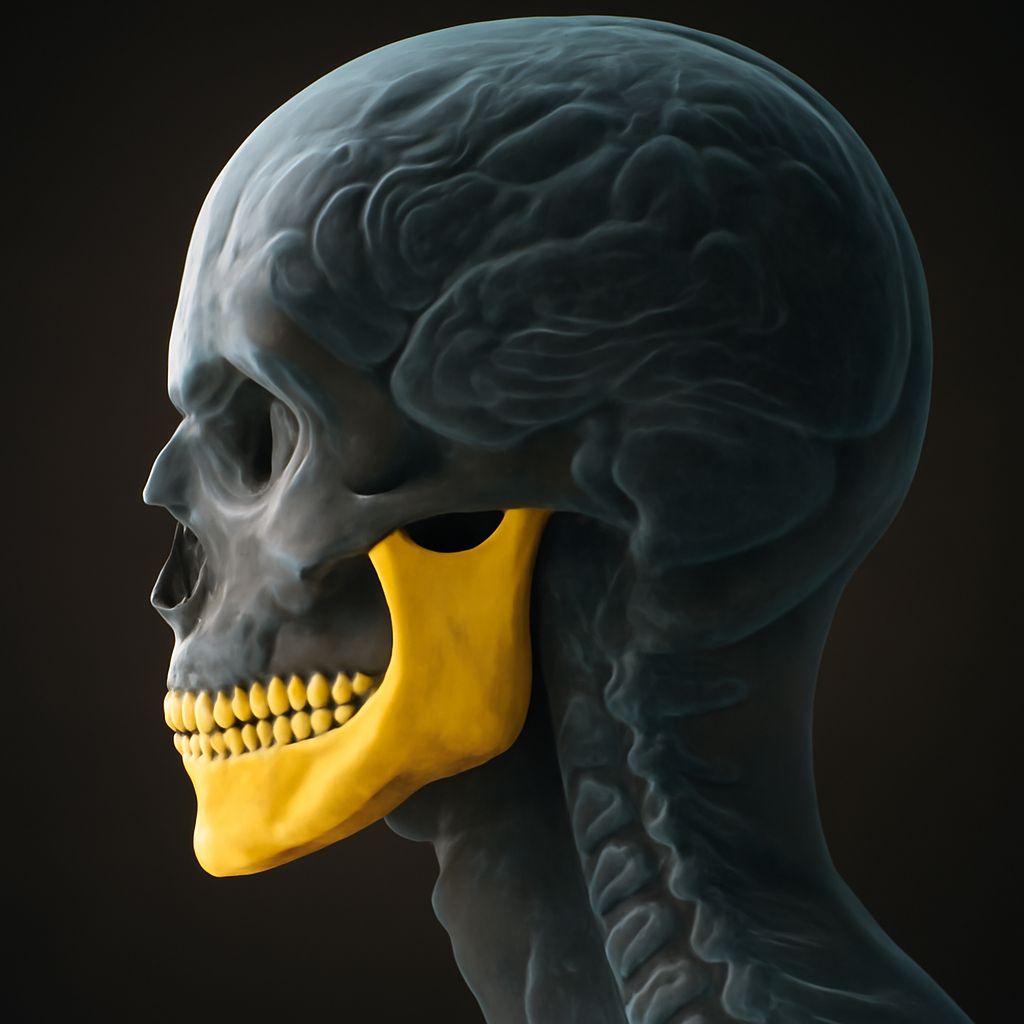
Jaw cancer, though relatively rare, presents a unique set of challenges. Often, jaw cancer symptoms can be subtle, making early detection difficult. Yet, identifying signs of jaw cancer early is crucial for effective treatment. As this disease progresses, its impact extends beyond physical health, affecting emotional well-being and social connections. To navigate this complex terrain, understanding the causes, symptoms, and available support is essential.
Our journey into understanding jaw cancer begins with its definition and causes. From there, recognizing symptoms of jaw cancer becomes vital for timely intervention. As we delve deeper, we also explore the social implications, underscoring the importance of support networks for those affected.
What is Jaw Cancer?
Definition and Causes
Jaw cancer refers to malignant growths occurring in the jawbone or surrounding tissues. These malignancies can arise due to a variety of factors, including genetic predispositions and environmental influences. Prolonged exposure to tobacco, excessive alcohol consumption, and certain viral infections are notable contributors. Understanding these causes helps in both prevention and early diagnosis.
Types of Jaw Cancer
There are several types of jaw cancer, with the most common being squamous cell carcinoma and osteosarcoma. While squamous cell carcinoma often originates in the soft tissues lining the jaw, osteosarcoma affects the bone itself. Recognizing the specific type is crucial for determining the appropriate treatment plan and improving prognosis.
Recognizing Jaw Cancer Symptoms
Common Symptoms of Jaw Cancer
Symptoms of jaw cancer can vary widely. Early signs often include persistent jaw pain, difficulty chewing, or noticeable lumps. Patients may also experience unhealed sores or unusual bleeding in the mouth. Being vigilant about these symptoms can enable earlier intervention and reduce the risk of progression.
Advanced Signs of Jaw Cancer
As jaw cancer advances, more pronounced symptoms may emerge. These include significant facial swelling, numbness, or drastic changes in jaw alignment. Difficulty speaking or a marked decrease in oral function can also occur. It is imperative to consult healthcare professionals promptly if such symptoms are present.
Social Impact and Support
Emotional and Psychological Effects
The journey with jaw cancer is often fraught with emotional and psychological challenges. Patients may experience anxiety, depression, or isolation due to the disease’s impact on appearance and communication abilities. These psychological effects highlight the necessity of comprehensive care that addresses mental and emotional well-being.
Support Networks and Resources
Support networks play a pivotal role in managing jaw cancer’s impact. From support groups to counseling services, these resources offer emotional relief and practical advice. Connecting with others who share similar experiences can provide a sense of community and strength, aiding in the overall healing process.
Safety Recap: As we navigate the complexities of jaw cancer, remember the importance of regular check-ups and being mindful of new or persistent symptoms. While sharp tools and treatments may be involved, rest assured that trained professionals prioritize our safety and well-being every step of the way.