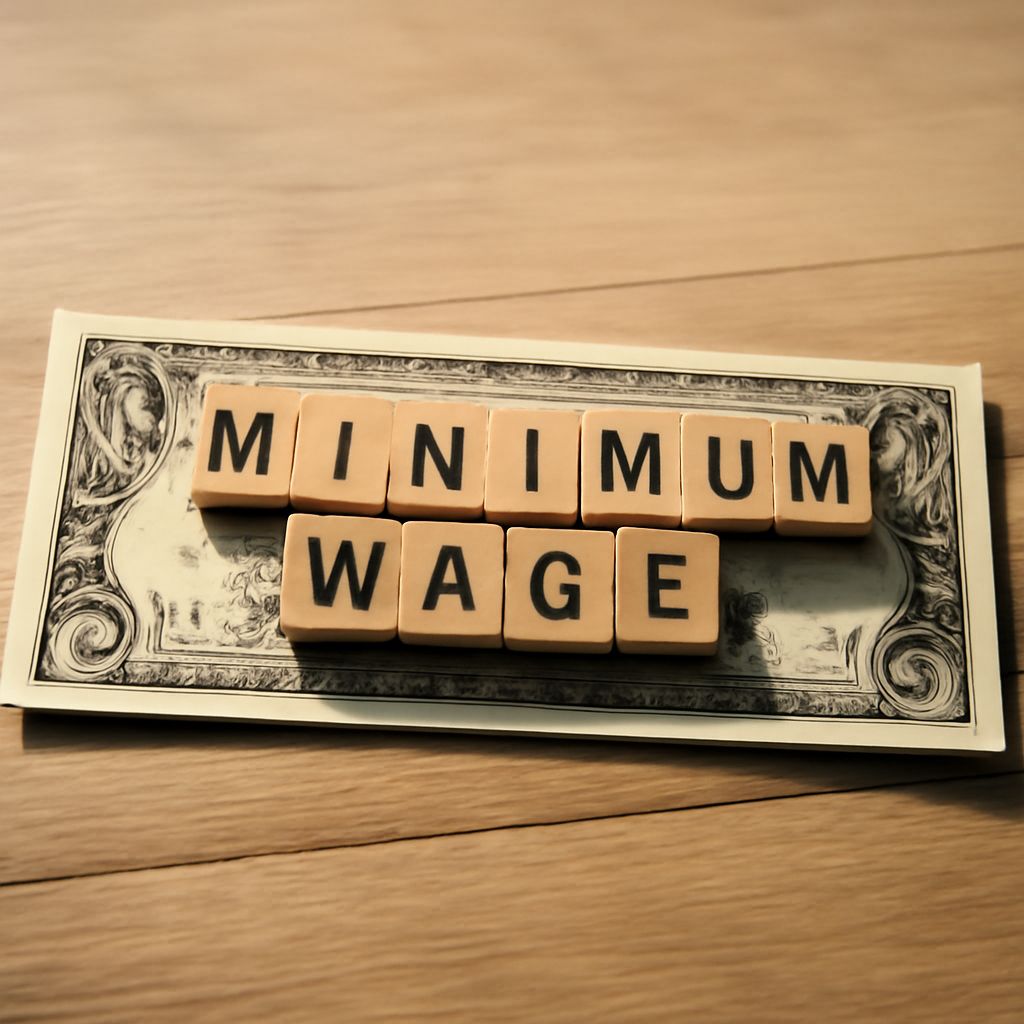
As we navigate the complexities of economic policies, one topic consistently at the forefront is the Missouri minimum wage. Recent legislative updates have brought significant changes, impacting both employers and employees. To effectively address the challenges posed by income disparities, we must first understand the current state and implications of Missouri’s wage policies.
The recent minimum wage increase in Missouri aims to improve the financial stability of workers, boosting consumer spending and economic growth. However, the ripple effects on employment and small businesses require our attention. In this analysis, we will explore the recent changes, their social implications, and future prospects for the state’s wage framework.
Overview of Missouri Minimum Wage
Missouri’s minimum wage has been a subject of debate for years, as policymakers strive to balance fair compensation with economic viability. As of the latest adjustment, the state’s minimum wage is set at a level that exceeds the federal minimum, demonstrating a commitment to supporting low-income workers. This proactive stance is crucial in addressing the widening gap between living costs and wages.
The wage policy in Missouri reflects broader efforts to ensure that workers can afford basic necessities. By aligning increases with inflation and cost of living, the state aims to keep its workforce above the poverty line. Such measures are instrumental in reducing reliance on public assistance programs and fostering a more self-sufficient population.
Recent Minimum Wage Increase in Missouri
The recent minimum wage increase in Missouri resulted from a voter-approved initiative, reflecting public consensus on the need for economic reforms. This change, while beneficial to many workers, presents challenges to businesses, particularly small enterprises grappling with increased labor costs.
With the new wage standard in Missouri, there is an expected boost in consumer purchasing power, driving demand for goods and services. However, some businesses may need to adjust their operations, possibly reducing hours or workforce numbers to maintain profitability. These decisions highlight the delicate balance between fair wages and sustainable business practices.
Social Impact of Wage Changes
The social ramifications of wage increases are profound, influencing the quality of life for many families. A higher minimum wage can reduce poverty levels and lessen economic strain on households, potentially decreasing crime rates and improving community well-being.
Furthermore, with the increased earnings, workers can invest more in education and healthcare, fostering a healthier and more skilled workforce. This virtuous cycle of improvement contributes to a more robust state economy, emphasizing the importance of thoughtful wage policy adjustments.
Future Outlook for Missouri’s Minimum Wage
Looking ahead, the future of Missouri minimum wage adjustments will likely hinge on both economic conditions and political climates. As inflation and living costs continue to fluctuate, periodic assessments are essential to ensure that wages remain fair and competitive.
Advocacy for ongoing evaluations of the minimum pay structure will be crucial in maintaining momentum towards equitable income distribution. Stakeholders must engage in continuous dialogue to address concerns and adapt policies to evolving economic landscapes.
Key takeaways: Missouri’s minimum wage policies reflect a commitment to economic fairness and worker support. While recent increases have positive social impacts, they present challenges for some businesses. Ongoing evaluation and adjustment will be vital in ensuring sustainable economic growth and social equity.