Abuse liability describes the potential for a substance, behavior, or situation to be misused in harmful ways. Pseudoephedrine abuse represents one of the most regulated examples: its chemical properties make it a precursor to methamphetamine, which prompted legal restrictions on over-the-counter access. Vocal abuse refers to repetitive strain on the vocal cords from screaming, chronic throat-clearing, or poor vocal technique — a form of physical harm often overlooked in abuse discussions. Understanding what is elder abuse and neglect requires distinguishing between intentional mistreatment and systemic neglect that produces harm without malicious intent. Risk factors for elder abuse cluster around caregiver stress, social isolation, cognitive decline, and financial dependency.
These topics connect through the shared principle that harm recognition must precede harm reduction.
Pseudoephedrine Abuse and Substance Liability
Pseudoephedrine abuse drove the Combat Methamphetamine Epidemic Act of 2005, which requires pharmacies to track purchases and limit quantities. Abuse liability assessment for substances like pseudoephedrine involves evaluating how easily the compound produces dependency, how frequently it is misused, and what harms result.
The abuse liability framework matters beyond illegal drugs. Prescription medications undergo formal abuse liability testing during FDA approval. High abuse liability leads to scheduling under the Controlled Substances Act, restricting prescribing and dispensing.
Vocal Abuse: A Physical Harm Worth Addressing
Vocal abuse affects teachers, singers, coaches, and anyone who uses their voice professionally under strain. Repetitive misuse causes vocal nodules, polyps, and hemorrhages that require medical intervention. Recognizing vocal abuse early — through voice fatigue, hoarseness, or pain — prevents more serious long-term damage. Speech-language pathologists treat vocal misuse with hygiene techniques, hydration protocols, and targeted exercises.
What Is Elder Abuse and Neglect: Risk Factors
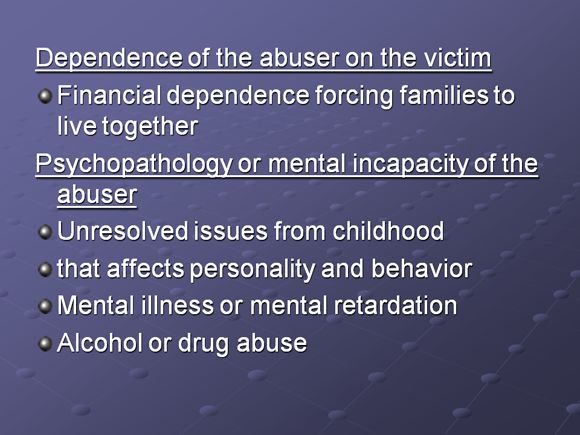
What is elder abuse and neglect in practice? It encompasses physical harm, financial exploitation, emotional cruelty, sexual abuse, and neglect — the failure to provide adequate care. Risk factors for elder abuse include caregiver burnout, substance misuse by caregivers, shared living arrangements, social isolation, and cognitive impairment in the elder.
What is elder abuse and neglect that doesn’t involve intent? Neglect by overwhelmed caregivers who lack training or support resources accounts for a significant portion of reported cases. Risk factors for elder abuse in institutional settings include understaffing, poor supervision, and inadequate training. Financial exploitation risk increases when elders have cognitive decline without independent financial oversight.
Reducing risk factors for elder abuse requires connecting caregivers to respite services, providing financial safeguards, and maintaining regular contact with isolated older adults. Report suspected elder mistreatment to Adult Protective Services in your state.
Bottom line: Whether assessing abuse liability in substances, addressing vocal abuse before it becomes structural damage, or understanding what is elder abuse and neglect to protect vulnerable family members, harm recognition requires specific knowledge. Risk factors for elder abuse are well-documented — acting on that knowledge is the intervention.