Gender Violence: What It Means, Who It Affects, and What Sustains It
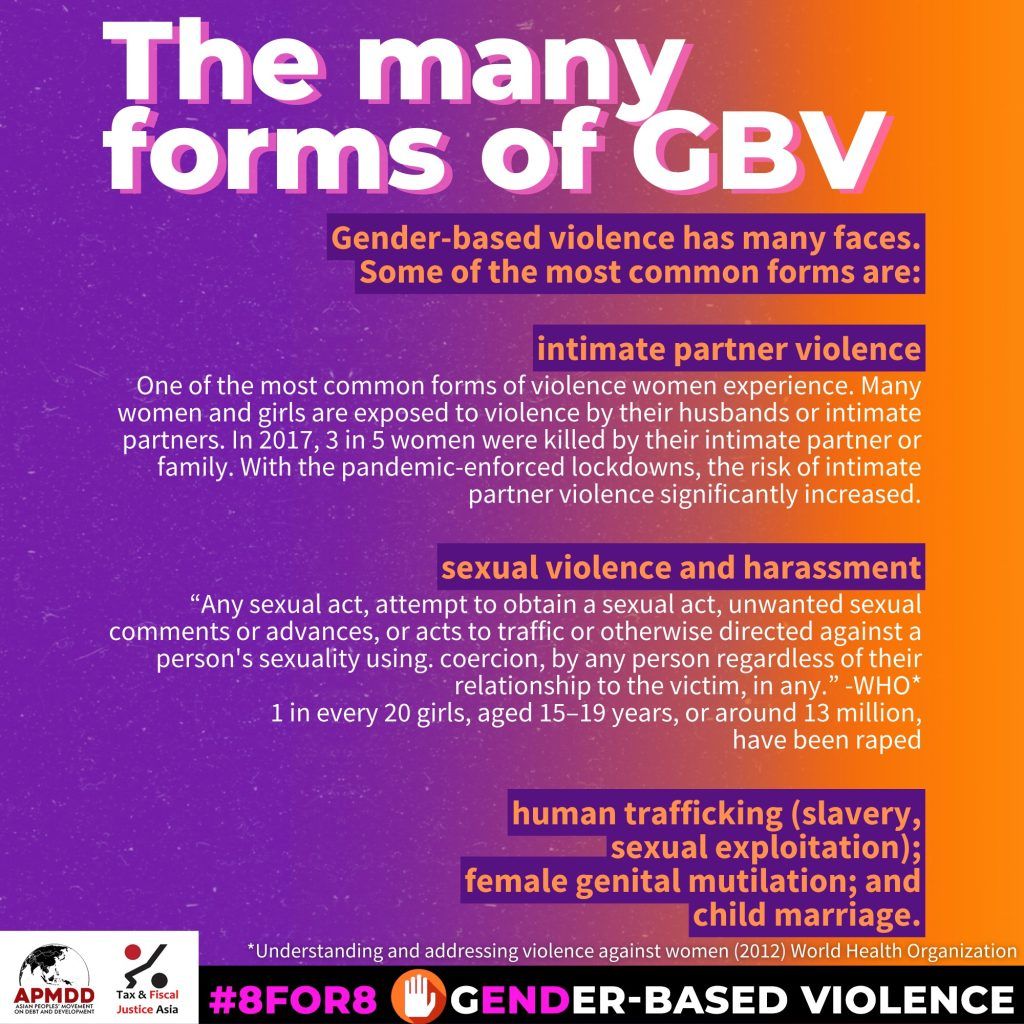
Violence rooted in gender inequality is a global public health and human rights crisis. Gender violence refers to harm that targets people because of their gender or that affects particular genders disproportionately due to unequal power structures. Understanding what is gender violence requires moving beyond individual incidents and looking at the social norms, legal frameworks, and institutional failures that make this harm possible. The gender violence definition used in policy and advocacy contexts encompasses physical, sexual, psychological, and economic harm. Types of gender based violence identified by international organizations include intimate partner violence, sexual violence, harmful traditional practices, and state-perpetrated violence against gender minorities. Gender and violence intersect in ways that are shaped by race, class, disability, and immigration status, making intersectional analysis essential for understanding who is most at risk and why.
We developed this overview to provide a clear, research-based picture of what gender violence involves and what drives it at multiple levels.
Defining Gender Violence and Its Scope
The Gender Violence Definition in International Frameworks
The gender violence definition most widely used in international policy traces to the 1993 UN Declaration on the Elimination of Violence Against Women and subsequent frameworks that have expanded its scope. In this framework, gender violence refers to any act perpetrated against a person based on their gender or that disproportionately affects people of a particular gender. What is gender violence under this definition includes intimate partner violence, sexual violence in conflict, female genital cutting, forced marriage, and discrimination-based violence against LGBTQ+ individuals. The definition is deliberately broad to ensure that harmful practices normalized by culture or custom do not escape accountability by claiming traditional legitimacy.
How Gender Violence Differs From Violence in General
Not all violence is gender violence. What distinguishes gender violence is the role that gender-based power imbalance plays in enabling, motivating, or directing the harm. A robbery is not gender violence unless the victim was targeted because of their gender. Intimate partner violence is gender violence because it occurs predominantly within a context of gendered power imbalance, and women are disproportionately the victims of the most severe forms. Types of gender based violence are defined not just by what happens but by the social context that makes them possible and the structural conditions that allow perpetrators to act with impunity.
Types of Gender Based Violence: A Practical Taxonomy
Physical and Sexual Violence
The most documented types of gender based violence are physical assault and sexual violence by intimate partners or acquaintances. Intimate partner violence causes more female deaths globally than any other category of homicide. Sexual violence in conflict, used as a deliberate tactic of war, has been documented in dozens of conflicts over the past century and is recognized in international law as a war crime. Gender and violence intersect with conflict in ways that specifically target women’s bodies as sites of social and political harm, reflecting the instrumental use of sexual violence to humiliate communities and break social cohesion.
Psychological, Economic, and Structural Forms
Types of gender based violence extend well beyond physical harm. Psychological abuse in intimate relationships, including coercive control, isolation, and systematic degradation, produces trauma responses with measurable long-term consequences for mental health. Economic abuse, which controls access to financial resources and employment, is one of the most significant barriers to leaving abusive relationships. Structural gender violence refers to the ways in which laws, policies, and institutions systematically disadvantage people of particular genders: discriminatory inheritance laws, employment discrimination, and the failure to prosecute sexual violence with adequate rigor are all structural forms. Gender and violence in this structural sense require policy and institutional responses, not just individual intervention.
What Sustains Gender Violence and What Reduces It
Root Causes and Evidence-Based Prevention
Gender violence is sustained by social norms that normalize male dominance, legal frameworks that provide inadequate protection for victims, economic conditions that limit women’s autonomy, and institutions that respond inadequately when violence is reported. What is gender violence in terms of root causes is ultimately about power: who has it, who is denied it, and what happens when it is exercised without accountability. Prevention programs with documented effectiveness include those that change social norms around masculinity and gender roles, strengthen legal protections and enforcement, support women’s economic autonomy, and address the needs of boys and men in ways that challenge rather than reinforce harmful gender norms. Gender violence will not be eliminated through single-sector solutions; it requires coordinated action across law, economy, culture, and community.
Key takeaways: Gender violence refers to harm rooted in gendered power imbalance, spanning physical, sexual, psychological, and structural forms. Types of gender based violence are defined by the social context that enables them, not just the nature of the act. Reducing gender violence requires simultaneous action on social norms, legal frameworks, economic conditions, and institutional accountability.