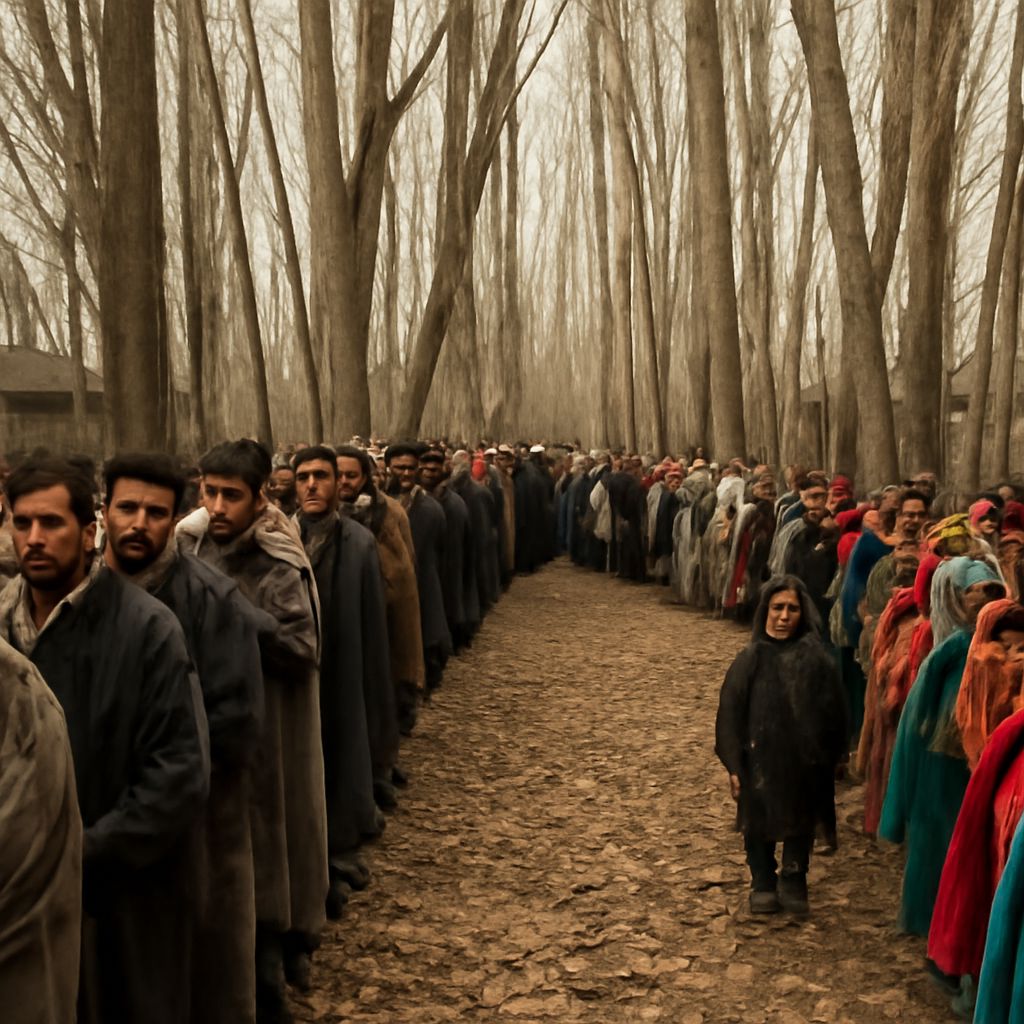
We grapple with a world where collective harm takes many forms. Communal violence — conflict between religious, ethnic, or social groups — has devastated communities across history and continues today. The tragedy of Kashmir violence represents one of the most protracted communal conflicts of the modern era. Understanding a culture of violence helps explain how aggression becomes normalized within societies. Election violence threatens the democratic foundations that peaceful transitions of power require. And debates over violence in video games essay research reflect broader cultural anxieties about where violent norms come from and what feeds them.
We believe that confronting these forms of collective violence clearly and honestly is necessary for building societies that choose peace.
Communal Violence: Causes and Patterns
What Drives Group Conflict
We define communal violence as organized harm between social groups — religious, ethnic, caste-based, or sectarian. Intergroup conflict eruption typically follows a combination of historical grievances, economic competition, identity threat, and political mobilization. Identifying the preconditions of communal group violence allows early warning systems to intervene before bloodshed begins. Communal violence rarely emerges without political actors who benefit from its escalation.
Kashmir Violence: A Protracted Conflict We examine Kashmir violence as a complex geopolitical and communal conflict involving Indian and Pakistani state claims alongside a distinct Kashmiri identity movement. Decades of violent conflict in the Kashmir valley have produced generations of trauma, displacement, and human rights violations. Understanding Kashmir violence requires acknowledging multiple competing narratives — Indian state security concerns, Pakistani territorial claims, and Kashmiri self-determination. Dialogue processes addressing this regional communal conflict have stalled repeatedly amid cycles of violence and political pressure.
Culture of Violence and Electoral Threat
Culture of Violence as a Social Pattern
We analyze culture of violence as a social environment where aggression is normalized, celebrated, or rewarded. A culture of violence develops over time through media representation, institutional impunity for abusers, and socialization that equates violence with strength. Breaking cycles of normalized social aggression requires sustained cultural change — in education, media, and institutional practice. Communities can deliberately cultivate cultures of nonviolence through restorative justice practices and conflict literacy programs.
Election Violence and Democratic Integrity
We take election violence seriously as a threat to democratic governance. Electoral period violence — candidate intimidation, voter suppression, post-election protests that turn deadly — undermines the legitimacy of democratic processes globally. Election violence is documented by organizations like ACLED and International IDEA in dozens of countries per electoral cycle. Preventing democratic process violence requires strong electoral institutions, impartial security forces, and credible domestic and international observation.
Violence in Video Games: What the Research Actually Shows
We address the violence in video games essay debate directly. Decades of research have produced mixed findings — some studies show short-term desensitization; most find no causal link between gaming and real-world violence. A comprehensive violence in video games essay must acknowledge that countries with high gaming rates (Japan, South Korea) consistently show lower violence rates than the United States. Communal violence, Kashmir violence, and election violence are driven by political and structural factors, not entertainment consumption. A culture of violence is built by institutions, not joysticks.
Bottom line: Communal and electoral violence are political phenomena requiring structural solutions. Cultural and media factors play supporting roles, not causal ones. We address these forms of collective harm through democratic accountability, intergroup dialogue, and sustained investment in peace infrastructure.