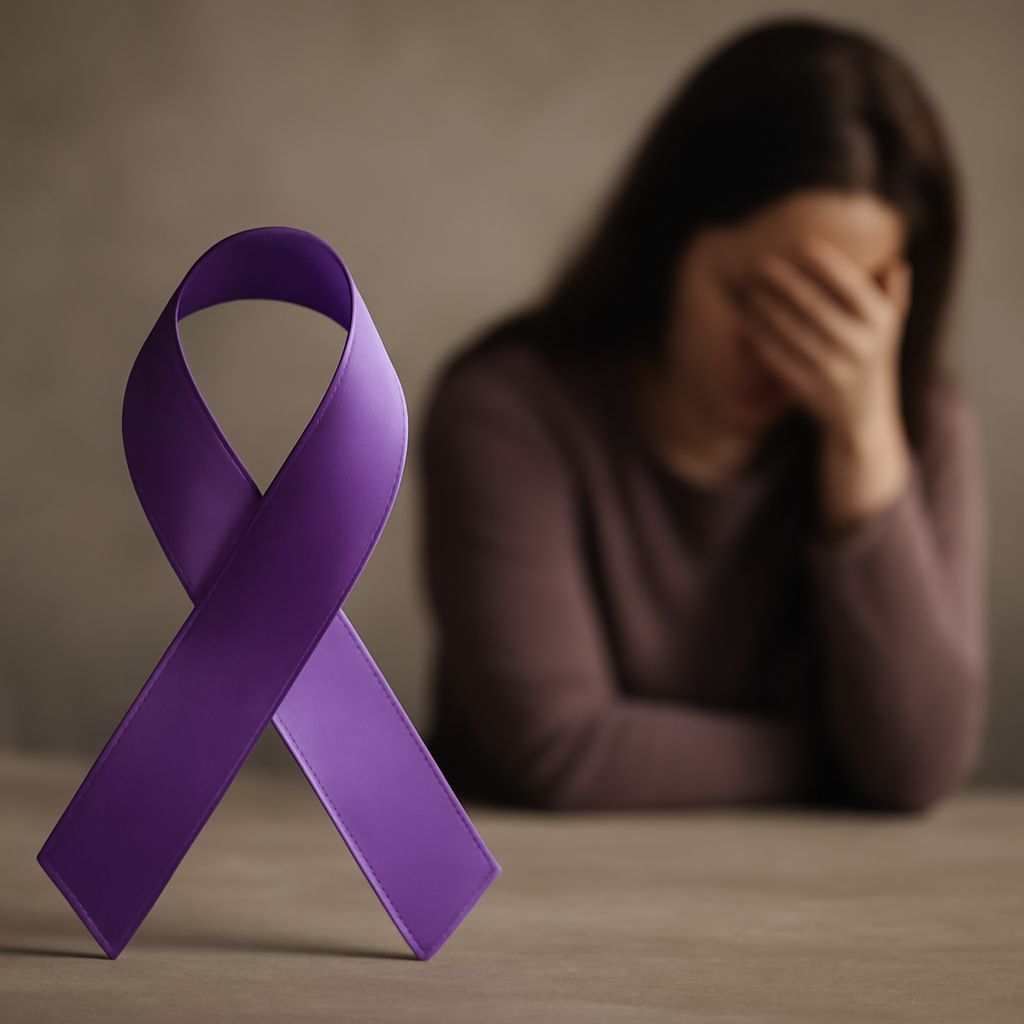
Awareness ribbons communicate solidarity without words. The domestic violence ribbon — purple, always purple — has become one of the most recognized symbols in the advocacy community. The domestic violence awareness ribbon appears on lapels, websites, and fundraising materials throughout October, National Domestic Violence Awareness Month.
We trace the history and meaning of the purple ribbon domestic violence advocates adopted decades ago, explain how the domestic abuse ribbon differs from other cause ribbons, and show how the domestic violence purple ribbon functions as a tool for community education and fundraising.
History and Symbolism of the Purple Ribbon
Purple was chosen for the domestic violence ribbon in the early 1990s as advocates built the infrastructure for what would become National Domestic Violence Awareness Month in October. The color purple has historically symbolized courage, survival, and honor — qualities central to survivor narratives.
The purple ribbon domestic violence community embraced is not unique to one organization. Any individual, business, or government agency can display the domestic abuse ribbon as an act of public solidarity. That accessibility was intentional — advocates wanted a symbol that required no purchase, no membership, and no gatekeeping.
How the Symbol Spread
The domestic violence awareness ribbon gained national visibility through healthcare provider campaigns, law enforcement outreach programs, and survivor-led marches. Schools and universities began distributing ribbons as part of broader conversations about healthy relationships and consent.
Using the Domestic Abuse Ribbon in Advocacy
The domestic violence purple ribbon appears in many contexts: pinned to clothing at press conferences, printed on educational pamphlets, displayed as window decals, and shared as digital avatars during awareness months. Each use extends the symbol’s reach.
Organizations use the domestic abuse ribbon as a fundraising vehicle, attaching it to merchandise, awareness walks, and donation drives. The funds raised support shelter operations, legal advocacy, and survivor services.
Corporate and Government Adoption
Many corporations and government agencies now display the domestic violence awareness ribbon during October. Workplaces that display the symbol signal to survivors among their employees that help-seeking is supported — a simple act with meaningful psychological impact.
Beyond the Symbol: Taking Action
The domestic violence ribbon matters most when it accompanies concrete action. Wearing the symbol without supporting organizations that serve survivors is a missed opportunity. We encourage anyone who displays the purple ribbon domestic violence advocates have made iconic to also donate to a local shelter, volunteer their time, or advocate for policy change.
The domestic violence purple ribbon also provides an entry point for conversations that people find difficult to start. Displaying it invites questions. Those questions open doors to education.
If you or someone you know is experiencing abuse, the National Domestic Violence Hotline is available 24 hours a day at 1-800-799-7233 (SAFE) or via text at 88788. Wearing the ribbon is meaningful — calling for help is life-changing.