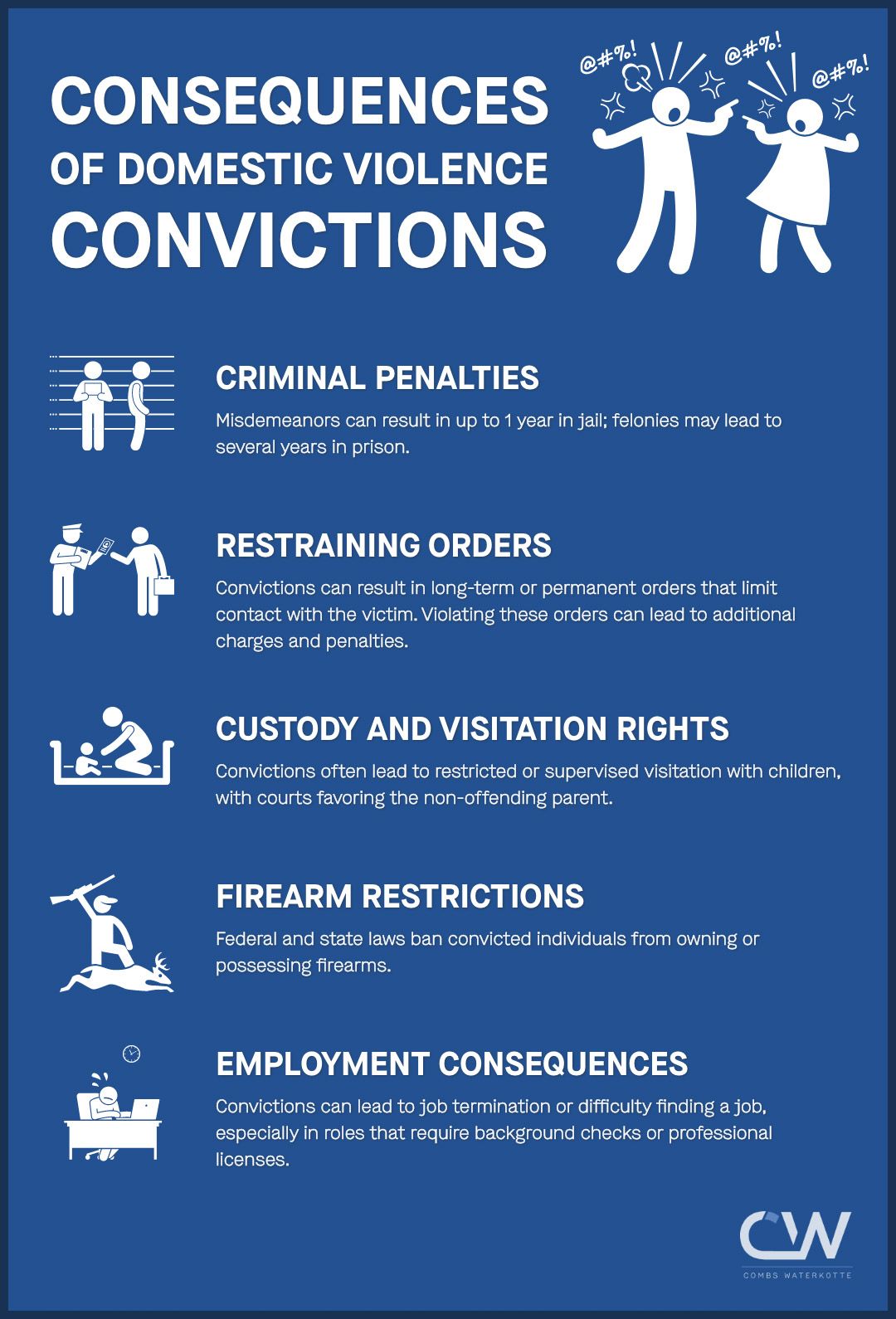
Consequences of Bullying: How Repeated Harm Affects Individuals and Communities
The consequences of bullying reach far beyond the school hallway or the group chat. Bullying consequences accumulate over time: what begins as social exclusion or name-calling can develop into lasting anxiety, depression, and impaired academic performance. The psychological effects of bullying are well-documented in clinical literature, and we see the same patterns across age groups, …

Discrimination in a Sentence and Beyond: Types, Examples, and Legal Clarity

We define discrimination in a sentence as the unjust or prejudicial treatment of individuals based on characteristics such as race, gender, disability, or socioeconomic background. But the concept extends well beyond any single definition. Indirect discrimination describes policies that appear neutral yet disadvantage particular groups disproportionately. Sensory discrimination refers to differential treatment based on perceptual …

What Is Considered Harassment: Workplace Examples and Legal Definitions

Understanding what is considered harassment is essential for employees, managers, and HR professionals who need to recognize and respond to harmful behavior before it escalates. Examples of harassment in the workplace include repeated offensive comments, unwanted physical contact, exclusion based on protected characteristics, and threats tied to employment decisions. Harassment examples from real cases show …

Discrimination Psychology Example: Stimulus Discrimination, FMLA, and Legal Distinctions

A discrimination psychology example from behavioral science looks very different from a discrimination claim in employment law, and understanding both prevents confusion. A stimulus discrimination example in classical and operant conditioning refers to an organism’s ability to distinguish between stimuli and respond only to specific ones. Fmla discrimination occurs when an employer retaliates against or …