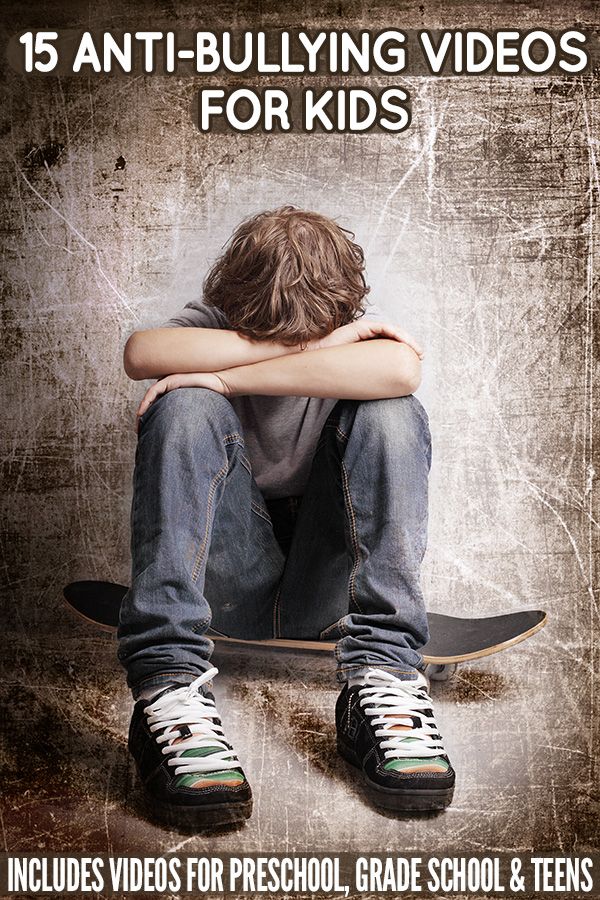
Anti bullying videos have become a primary educational tool for schools, youth organizations, and parents seeking to start difficult conversations about peer harm. A well-chosen anti bullying video can reach young people in ways that lectures and pamphlets cannot, because storytelling and visual representation create emotional resonance and identification.
We explain how a video on bullying can be used effectively in different educational contexts, recommend what to look for in videos about bullying, and discuss how a video about bullying should be followed up to create lasting impact rather than just momentary discomfort.
What Makes Anti Bullying Videos Effective
Research on media-based education shows that anti bullying videos are most effective when they show realistic scenarios rather than cartoonish extremes, include bystander perspectives (not just victim and perpetrator), and model specific, actionable responses rather than just condemning harmful behavior.
An anti bullying video that only makes students feel bad about bullying without giving them tools to respond differently is incomplete. Effective videos about bullying show characters using specific phrases, body language, and strategies that students can realistically practice. Paired with discussion and role-play, these become genuinely useful educational tools.
Age-Appropriate Content Selection
A video on bullying for elementary school children looks very different from one designed for high school students. Younger children need concrete, simple examples and clear adult intervention models. Older students need nuanced content that addresses cyberbullying, social exclusion, and the complexity of bystander decision-making in peer-pressured environments.
Classroom and Group Use of Bullying Videos
Using a video about bullying most effectively in a classroom requires preparation and follow-up. Before showing it, set context: explain what students will see and what you want them to notice. During or immediately after, use a structured discussion protocol — open-ended questions about character choices, feelings, and alternatives — rather than just asking “so what did you think?”
Videos about bullying work particularly well as anchors for multi-session units. Show a short clip, discuss it deeply, practice relevant skills, and return to the video at the end of the unit to see how students’ perspectives have shifted. This approach uses the anti bullying video as a container for sustained learning rather than a one-time message.
Cyberbullying-Focused Content
Anti bullying videos addressing digital contexts are increasingly important. Online harassment operates differently from in-person bullying: it is persistent, public, and often anonymous. Students need video on bullying that addresses screenshot sharing, exclusion from group chats, and impersonation — scenarios that may not have been addressed in older educational materials.
Parent and Community Resources
Anti bullying videos are not just classroom tools. Parents can watch videos about bullying with children at home to open conversations that might otherwise feel difficult to initiate. Community organizations running youth programs can build an entire session around a well-chosen video about bullying and structured follow-up activities.
The most effective use of any anti bullying video is as a catalyst for genuine conversation, not a substitute for it. Pro tips recap: Select age-appropriate content, prepare students before watching, use structured discussion after, and follow up with skill practice. That sequence transforms a single video on bullying into a lasting lesson.