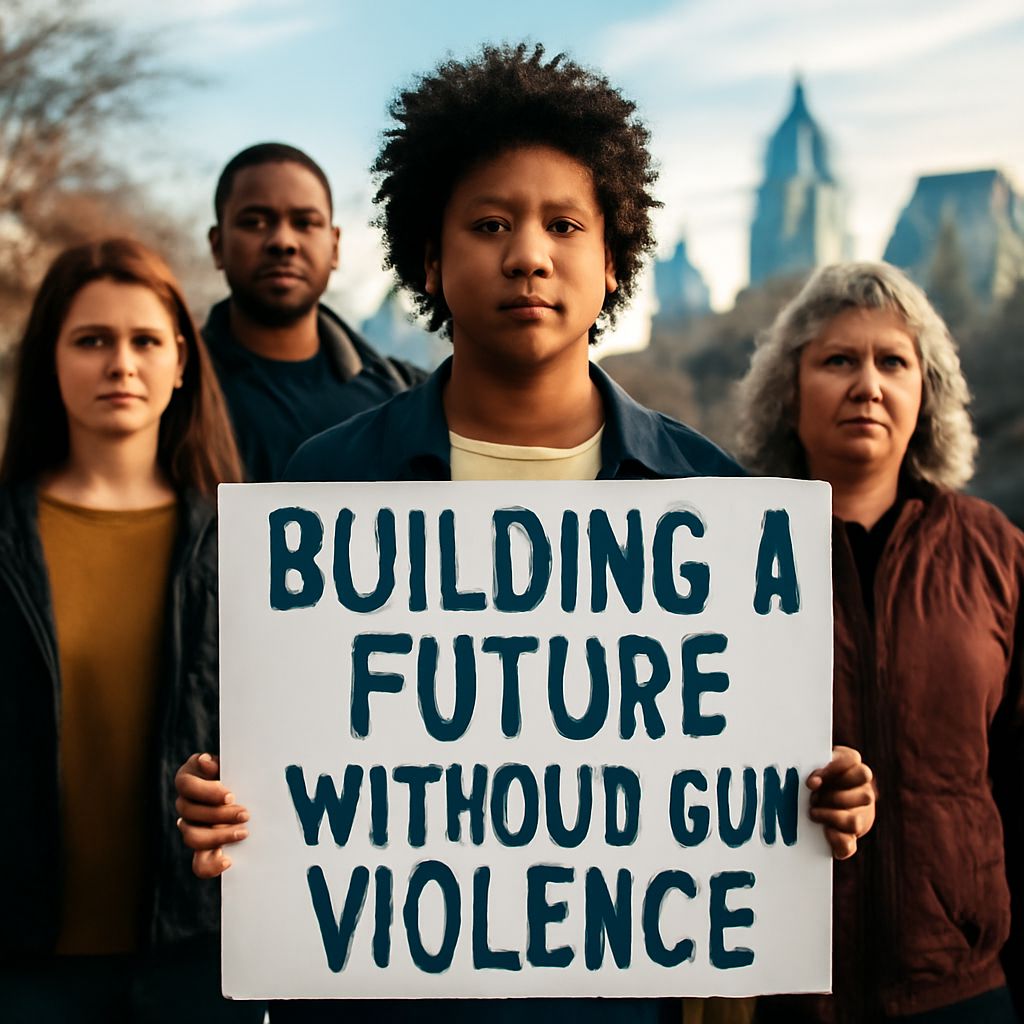
Words alone do not stop bullets. But stop the violence campaigns that combine powerful language with community action have demonstrated measurable results. Stop the violence as both a slogan and a movement has generated some of the most memorable public health advocacy in American history. Gun violence quotes from survivors, physicians, parents of murdered children, and policymakers put human faces on statistics that can otherwise feel abstract. Quotes about gun violence capture the grief, anger, and determination of communities that have lived with armed harm as a persistent backdrop. Gun violence in Canada, which operates with very different firearms regulations than the United States, provides a comparative lens for understanding how policy choices shape outcomes. Stop gun violence quotes used in public campaigns connect language to legislation, community organizing, and voter mobilization in ways that shift what is politically possible.
We developed this overview to explore how language functions in gun violence prevention advocacy and how to deploy these words effectively.
The Function of Gun Violence Quotes in Advocacy
From Statistics to Stories The United States experiences more than 40,000 gun deaths per year. That number is a fact. What gun violence quotes do is make that number human. When the parent of a shooting victim testifies before a legislature or speaks at a town hall, their words carry the weight of personal loss in a way that statistical presentations cannot. Quotes about gun violence from survivors and families have driven the most consequential legislative changes in gun policy, including state-level red flag laws and background check expansions that followed specific mass casualty events. Stop the violence advocacy that centers survivor voices rather than policy abstractions reaches audiences that technical arguments do not.
What Makes a Stop the Violence Quote Effective
Stop gun violence quotes that work in advocacy tend to combine moral clarity with specific demands. A quote that expresses grief alone motivates sympathy but not action. A quote that expresses grief and names a specific policy change creates the conditions for mobilization. Stop the violence messaging that connects emotional impact to actionable demand is more effective than messaging that leaves audiences uncertain what they should do with what they feel. Gun violence quotes from medical professionals carry specific authority because they come from people whose expertise is treating harm rather than causing it.
Gun Violence in Canada as a Comparative Reference
What the International Comparison Shows Gun violence in Canada operates at dramatically lower rates than in the United States, with approximately two gun homicides per 100,000 population compared to roughly four in the United States. This comparison is frequently referenced in quotes about gun violence that argue policy choices matter. Canada has stricter background check requirements, licensing, and storage laws, and its gun culture, while significant, differs from the American context in ways that complicate direct policy transfer. Gun violence in Canada nonetheless provides evidence that wealthy democracies with significant gun ownership can achieve lower rates of gun harm through a combination of regulatory approaches. This evidence appears regularly in stop gun violence quotes used by public health advocates.
What the Comparison Misses
Gun violence quotes that use international comparisons should acknowledge the complexity involved. The United States has hundreds of millions of firearms already in circulation, a constitutional right to bear arms, and profound cultural variation in gun ownership patterns across geography, income, and community. Stop the violence advocacy that ignores these realities tends to be dismissed by the audiences most likely to resist gun regulation. Effective stop gun violence quotes and campaigns engage honestly with complexity rather than presenting oversimplified comparisons that their opponents can easily refute.
Building Effective Stop the Violence Campaigns
From Language to Organized Action Stop the violence campaigns that produce measurable change combine powerful quotes about gun violence with voter registration, candidate accountability, community violence intervention programs, and sustained organizing. Gun violence quotes that inspire do not by themselves change laws or community norms. Organizations like Everytown for Gun Safety, Giffords, and community-based violence intervention programs have demonstrated that sustained, organized campaigns that connect emotional advocacy with political strategy move policy. Stop the violence messaging works best as part of a comprehensive strategy that includes both narrative and legislative dimensions.
Key takeaways: Gun violence quotes are most effective when they combine personal narrative with specific policy demands. Gun violence in Canada illustrates that policy choices can reduce rates of armed harm, though direct comparison requires acknowledging significant contextual differences. Stop gun violence quotes anchor campaigns that produce change only when connected to organized action and sustained political strategy.